
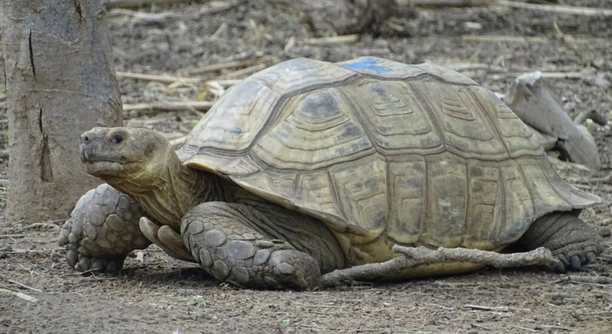
Creating a comfortable tank for your tortoise is essential for its well-being. A few simple changes can make a big difference in keeping your pet happy and healthy in its environment.
To enhance your tortoise’s comfort, start by ensuring its tank has proper temperature, humidity, and space for movement. Adding hideaways, suitable bedding, and access to fresh food and water is key for a comfortable habitat.
Making these easy adjustments will help your tortoise feel secure and content in its home. Continue reading to learn how you can improve your tortoise’s tank with simple, effective tips.
Proper Tank Temperature and Humidity
One of the most important factors in keeping your tortoise comfortable is creating the right temperature and humidity. Tortoises, depending on their species, require specific heat ranges to stay active and healthy. Too cold, and they may become sluggish; too hot, and they could experience heat stress. It’s crucial to monitor the temperature gradient within the tank to provide a basking area and cooler areas for your tortoise to move between. Using a reliable thermometer and hygrometer helps ensure the conditions are just right. Humidity is equally important. Maintaining the proper humidity levels prevents dehydration and promotes healthy skin shedding.
Investing in a heat lamp and a reliable thermostat can help maintain the right temperature. A UVB light is also vital for providing your tortoise with essential vitamin D3. The combination of warmth and UVB light ensures proper bone health and overall well-being.
By regularly checking temperature and humidity levels, you can create a more comfortable, healthier environment for your tortoise. Staying on top of these elements makes a noticeable difference in your pet’s health and happiness.
Providing Hiding Spaces
Tortoises appreciate having a hiding spot to feel secure. It’s essential to provide a place where they can retreat when they need some alone time. Adding a hideaway ensures they don’t feel exposed or stressed in their environment.
A hiding spot can be a simple cardboard box, a small cave structure, or even a pile of leaves. It doesn’t need to be elaborate, just somewhere they can feel sheltered. Having the option to hide gives your tortoise a sense of safety, which contributes to their overall comfort.
Bedding and Substrate Choices
Choosing the right bedding for your tortoise is key to keeping them comfortable and healthy. Avoid using cedar or pine wood shavings as they can cause respiratory issues. Instead, opt for materials like coconut coir, aspen, or reptile carpet. These substrates are safer and mimic a more natural environment.
Coconut coir is a great choice because it’s soft, absorbent, and helps maintain proper humidity levels. Additionally, it’s easy to spot clean, which is important for keeping your tortoise’s habitat hygienic. Avoid loose sand or soil, as they can lead to digestive problems if ingested.
Regularly changing the bedding helps prevent odors and promotes cleanliness, contributing to a healthier tank. Providing a substrate that’s comfortable for your tortoise to walk on also reduces stress and enhances overall well-being.
Providing Proper Lighting
Proper lighting is essential to your tortoise’s health. Tortoises need UVB light to synthesize vitamin D3, which is vital for calcium absorption. Without adequate UVB light, they risk developing metabolic bone disease. Use a high-quality UVB bulb designed for reptiles to ensure your pet gets the right exposure.
In addition to UVB light, make sure your tortoise has access to a basking spot where they can warm up. A heat lamp will create the necessary temperature gradient for your pet to move between warm and cooler areas. This allows them to regulate their body temperature naturally.
Position the lights carefully to avoid overheating or uneven exposure. Keep a thermometer near the basking area and adjust the light placement if necessary. With the proper setup, your tortoise will thrive, basking in comfort while benefiting from the light’s crucial health benefits.
Proper Feeding Areas
Setting up a designated feeding area in your tortoise’s tank is important for maintaining cleanliness and order. This area should be free from bedding material, so your tortoise can easily access its food without any distractions. It also helps keep the tank tidy and hygienic.
A shallow dish for fresh vegetables and a separate container for water are both essential. Make sure the food dish is easy for your tortoise to reach and won’t tip over. Regularly clean the feeding area to prevent bacteria growth and to ensure fresh food is always available.
Hydration
It’s essential that your tortoise has constant access to clean water. Tortoises can easily become dehydrated, so a shallow, sturdy water dish is necessary. Change the water daily to keep it fresh and free of contaminants.
Ensure the water dish is not too deep, as it may pose a drowning risk. A small, wide dish that your tortoise can comfortably drink from will encourage them to hydrate more regularly. Keeping the water clean helps your tortoise stay healthy and hydrated.
Tank Size and Space
The tank size is crucial to your tortoise’s comfort. A small, cramped space can cause stress and hinder their movement, leading to health issues. Ensure the tank provides enough space for your tortoise to move around freely.
As a general rule, the larger the tank, the better. A spacious tank allows your tortoise to explore and exercise, which is important for their overall health. Ensure there are both warm and cool areas in the tank to encourage natural movement. A properly sized tank promotes better activity and a happier tortoise.
FAQ
How often should I clean my tortoise’s tank?
Cleaning your tortoise’s tank should be done regularly to maintain a healthy environment. Spot cleaning should be done daily to remove any waste or uneaten food. A deep cleaning of the entire tank should be done at least once a month. This includes replacing the bedding, wiping down surfaces, and thoroughly cleaning food and water dishes.
A clean tank reduces the risk of bacterial growth and helps keep your tortoise comfortable. Make sure to use safe cleaning products that won’t harm your pet. Avoid harsh chemicals and opt for mild, pet-safe cleaners.
What type of food is best for my tortoise?
Tortoises are primarily herbivores, so their diet should mainly consist of leafy greens, grasses, and vegetables. Dark, leafy greens like kale, collard greens, and dandelion greens are excellent choices. Avoid iceberg lettuce, as it lacks nutritional value.
In addition to greens, you can offer other vegetables such as squash, carrots, and bell peppers. Some tortoise species may also enjoy fruits like strawberries or melons, but these should only be given as occasional treats due to their high sugar content. Always ensure your tortoise’s food is fresh and free from pesticides.
How do I know if my tortoise is comfortable in its tank?
A comfortable tortoise will be active, curious, and moving around its tank regularly. If your tortoise seems lethargic or hides most of the time, this could be a sign of discomfort. You should also monitor their eating and drinking habits.
If they are eating well and drinking regularly, this is a good indication that they are comfortable. On the other hand, if they seem stressed, it could be due to factors such as improper temperature, lack of space, or inadequate lighting. Regularly check the tank’s conditions to ensure your tortoise is thriving.
Can I keep more than one tortoise in the same tank?
It’s possible to house multiple tortoises together, but it depends on their species and temperament. Some tortoises are territorial and may fight with each other, especially if they don’t have enough space. It’s crucial to provide ample space, so they don’t feel crowded.
If you decide to keep more than one tortoise, make sure the tank is large enough for each to have its own basking area and hiding spot. Also, keep an eye on their behavior to ensure they are getting along well. Some species are more social and tolerant of cohabitation than others.
What is the ideal temperature for my tortoise’s tank?
The ideal temperature range varies by tortoise species, but most tortoises require a warm basking area of around 90-95°F (32-35°C) and a cooler area between 75-80°F (24-27°C). It’s important to provide a gradient, so your tortoise can move between the warm and cool areas as needed.
Using a heat lamp for the basking area and a ceramic heat emitter for the cooler side can help maintain these temperature ranges. Always monitor the temperature with reliable thermometers to ensure it remains stable. A drop in temperature can lead to health issues for your tortoise.
Should I provide a substrate for my tortoise’s tank?
Yes, providing a substrate for your tortoise’s tank is important. The right substrate can help mimic the natural environment and promote healthy behaviors. Coconut coir, aspen shavings, and reptile carpet are all good options. These materials are soft, absorbent, and easy to clean.
Avoid using sand or gravel, as these can cause digestive issues if ingested. The substrate should be deep enough to allow your tortoise to burrow slightly, but not so deep that it becomes difficult to clean. Regularly spot clean the substrate and replace it when it becomes soiled.
How much space does my tortoise need?
The space your tortoise needs will depend on its species. However, as a general rule, a larger tank is always better. A minimum of 40 gallons of space is recommended for a single adult tortoise, though larger species will need more space to roam.
Make sure to provide enough room for your tortoise to move freely and comfortably. A cramped tank can cause stress and lead to health problems. Include areas for basking, hiding, and foraging to encourage natural behaviors and keep your tortoise active.
What type of lighting should I use for my tortoise?
Tortoises require both UVA and UVB lighting to stay healthy. UVA light helps them regulate their behavior, while UVB light is essential for calcium absorption and vitamin D3 production. Without proper UVB light, your tortoise can develop metabolic bone disease.
Use a high-quality UVB bulb designed for reptiles, and replace it every 6-12 months, as its effectiveness diminishes over time. Position the light to cover the basking area and ensure your tortoise has access to both warm and cool zones. A timer can help maintain a consistent day/night cycle.
How often should I handle my tortoise?
Handling your tortoise should be kept to a minimum, as too much handling can cause stress. It’s important to give your tortoise space to adjust to its environment. Handling should be gentle and brief. Avoid picking your tortoise up by its shell, as this can be harmful.
If you need to handle your tortoise for cleaning or health checks, do so carefully and make sure your tortoise feels supported. Allow your tortoise time to explore and get used to its surroundings. Excessive handling can negatively impact their comfort and well-being.
What should I do if my tortoise isn’t eating?
If your tortoise isn’t eating, it could be a sign of stress, illness, or environmental issues. Start by checking the tank’s temperature, humidity, and lighting, as improper conditions can cause a loss of appetite. Ensure the food you’re offering is fresh and appealing.
If the environment is correct and your tortoise still isn’t eating, it may be ill. In such cases, it’s best to consult with a reptile veterinarian. A lack of appetite could indicate a health issue that needs professional attention.
Final Thoughts
Making sure your tortoise is comfortable in its tank is crucial for its health and well-being. A suitable environment includes the right temperature, lighting, and space. Tortoises are naturally curious animals, and providing them with a habitat that encourages natural behaviors is important. By following the tips outlined above, you can create a space where your tortoise feels secure and active. Regularly monitor the tank conditions, and make necessary adjustments to ensure that your pet remains comfortable and healthy.
It is also essential to focus on your tortoise’s diet, ensuring they have access to a variety of fresh, healthy foods. A proper diet is key to keeping your tortoise strong and vibrant. Remember that different species of tortoises may have different needs, so it’s important to research your specific pet’s requirements. Providing the right balance of greens, vegetables, and occasional fruits will keep them nourished and happy. Along with their diet, hydration plays a big role in their overall health, so always make sure they have access to clean water.
Lastly, always stay observant of your tortoise’s behavior. A comfortable tortoise will be active, curious, and eating regularly. If you notice signs of stress, illness, or discomfort, it is important to act quickly. Changes in behavior, eating habits, or activity levels could indicate a problem with the tank environment, diet, or health. Regular vet check-ups will also help you catch potential issues early. By providing a well-maintained environment, a balanced diet, and attentive care, you will help your tortoise thrive for many years.

Hello,
If you enjoy the content that we create, please consider saying a "Thank You!" by leaving a tip.
Every little bit helps us continue crafting quality advice that supports the health, happiness, and well-being of pets around the world, for pets of all shapes, sizes, and species.
We really appreciate the kindness and support that you show us!