
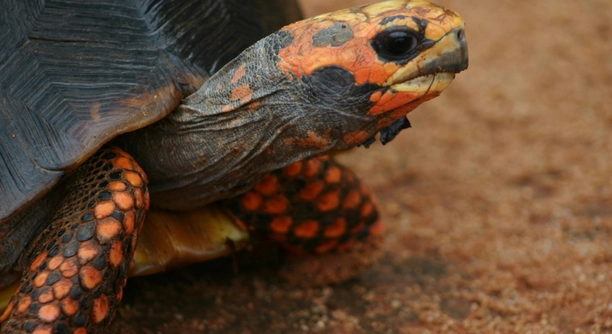
Creating an engaging and stimulating environment for your red-footed tortoise is essential for its well-being. A well-planned enclosure can offer mental and physical enrichment, promoting a healthier, happier life for your pet.
To make your red-footed tortoise’s enclosure more stimulating, consider providing varied textures, hiding spots, and opportunities for climbing. Adding plants, natural elements, and even shallow water areas will encourage exploration and exercise, fostering natural behaviors.
By implementing these changes, your tortoise will enjoy a more fulfilling environment.
Setting Up Natural Hiding Spots
Tortoises are naturally shy creatures, so it’s important to provide them with hiding spots where they can retreat when they feel stressed or overwhelmed. You can use logs, rocks, or dense plants to create sheltered areas within their enclosure. These hiding spots mimic the environment red-footed tortoises would seek in the wild, where they can rest safely. A well-designed hiding area also allows them to feel secure, reducing anxiety. This setup is essential for their emotional health.
When setting up the hideouts, ensure that they are easy to access and not too large or deep. The goal is to provide a sense of security, but not to trap the tortoise. The material used should be non-toxic to avoid harm.
Add a few different hiding spots around the enclosure, ideally with varying sizes and shapes, so your tortoise can choose where to go based on its comfort level. This variety will provide more enrichment and allow your pet to express natural behaviors.
Incorporating Natural Textures
Using natural textures in your tortoise’s enclosure can help stimulate its senses. Incorporate rocks, bark, and wood to mimic the outdoor environment. These elements allow your tortoise to climb, dig, and explore different surfaces.
Different textures also encourage natural behaviors like climbing, foraging, and burrowing. Be sure to add a variety of surfaces, including smooth and rough materials, to keep your tortoise actively engaged. Keep the textures safe and appropriate for its size. Avoid sharp or jagged edges that might cause injury. Over time, your tortoise will develop a natural preference for certain areas of its enclosure.
By enriching your red-footed tortoise’s environment with natural textures, you help promote mental stimulation and physical activity, which are key for its health and happiness.
Providing Shallow Water Areas
Adding shallow water areas in your tortoise’s enclosure is beneficial for hydration and stimulation. A shallow dish filled with clean water will allow your tortoise to drink and occasionally soak. It’s important to keep the water level low to ensure your pet can easily get in and out.
To enhance the experience, consider adding a small, flat water dish that mimics a puddle in its natural habitat. This will encourage your tortoise to interact with the water, helping it stay hydrated. Avoid deep pools or bowls that could lead to accidents, as red-footed tortoises may struggle in deep water.
By including shallow water in the enclosure, you promote healthy hydration habits and create an enriching environment where your tortoise can feel more comfortable. It will also help with maintaining proper skin health and overall well-being. Ensure the water is changed daily to prevent contamination.
Using Plants for Stimulation
Plants in your tortoise’s enclosure not only enhance its look but also provide essential mental stimulation. Use safe, non-toxic plants like grasses, leafy greens, or shrubs to encourage your tortoise to explore, graze, and hide. These plants mimic natural food sources, allowing your pet to forage.
Different types of plants will help create diverse areas within the enclosure, providing opportunities for your tortoise to interact with its environment. Be mindful of selecting plants that are safe for tortoises, as some plants can be harmful or toxic to them. Avoid using synthetic plants, as they do not provide the same sensory stimulation.
Adding plants to your tortoise’s enclosure mimics the natural environment. It helps promote foraging and digging behavior, allowing your pet to stay active and mentally engaged. Additionally, plants provide a more realistic setting, helping to improve your pet’s quality of life.
Offering Climbing Opportunities
Climbing structures are essential for your tortoise’s physical and mental enrichment. Using rocks, logs, or ramps allows your pet to engage in natural behaviors like climbing and exploring different heights. This setup mimics the varied terrain tortoises encounter in the wild.
The climbing surfaces should be low and stable to prevent injury. Place them strategically around the enclosure to encourage movement and exercise. This will also keep your tortoise active, helping to maintain muscle tone and flexibility. Be sure to monitor your pet to ensure the structures remain secure and safe.
Creating a Varied Substrate
A varied substrate promotes natural digging and burrowing behavior. Consider using a mix of soil, sand, and coconut fiber, which gives your tortoise options to explore. This setup mimics the natural environment, promoting a sense of security and comfort.
The substrate should be deep enough for your tortoise to burrow but not too deep to cause suffocation. Changing it regularly ensures cleanliness and prevents the buildup of harmful bacteria. This also encourages natural behavior such as nesting, which benefits both the tortoise’s physical and mental health.
Incorporating Scented Items
Adding scented items to the enclosure can help engage your tortoise’s sense of smell. You can introduce herbs like basil, mint, or thyme, which can be placed in various spots for foraging. These scents encourage your tortoise to explore.
By offering a range of scents, you stimulate its curiosity, making the enclosure more engaging and enriching. Use fresh or dried herbs, as they are safe and non-toxic. Be sure to rotate the items regularly to maintain interest and prevent your pet from losing interest in them.
FAQ
How much space does a red-footed tortoise need?
A red-footed tortoise requires an enclosure that offers ample space for roaming and exploring. The minimum recommended size for an adult tortoise is 4 feet by 6 feet, although larger is always better. More space gives them the freedom to move, forage, and engage in natural behaviors. If you have more than one tortoise, you’ll need to increase the space to prevent territorial issues. It’s important to provide different areas within the enclosure to meet the tortoise’s needs for eating, resting, and exploring. Ensure that the space is not overcrowded with too many objects, as it can restrict movement and affect their well-being.
Can red-footed tortoises be kept together?
Red-footed tortoises can sometimes be kept together, but it depends on their temperament. Some tortoises are more territorial than others, and when placed together, they may engage in fights over food or space. It’s crucial to monitor their behavior closely, especially during the introduction period. If you notice any aggression, it’s best to separate them to avoid injury. Even if no immediate aggression is visible, stress from being housed together can lead to health problems. Having multiple hiding spots, feeding areas, and plenty of space reduces the likelihood of territorial disputes.
What should I feed my red-footed tortoise?
Red-footed tortoises are omnivores and have a varied diet. They primarily eat leafy greens like dandelion greens, collard greens, and kale. In addition, they enjoy fruits such as strawberries, mango, and papaya. However, their diet should consist mostly of vegetables, with fruit offered sparingly due to its high sugar content. They also require protein sources like insects, worms, and small amounts of cooked meat. Always ensure that food is free from pesticides and other chemicals. The diet should be rich in calcium and fiber, with proper hydration available at all times. It’s also important to vary their diet regularly to ensure they get all the necessary nutrients.
How often should I clean my red-footed tortoise’s enclosure?
Regular cleaning of the enclosure is essential to maintain your tortoise’s health. Spot cleaning should be done daily to remove waste and uneaten food. The substrate should be changed and replaced every 2-3 weeks, depending on how quickly it becomes soiled. A deep clean should be carried out monthly, including disinfecting surfaces and replacing the substrate. Make sure to use reptile-safe cleaners that won’t harm your tortoise. Keeping the enclosure clean prevents bacteria buildup and helps ensure a healthy environment for your tortoise. Regular cleaning also helps prevent odors and maintains a more comfortable habitat.
What temperature should the enclosure be?
Red-footed tortoises require a warm environment to thrive. The temperature within the enclosure should range between 75°F and 85°F (24°C to 29°C) during the day. A basking area should be provided with a temperature of around 90°F to 95°F (32°C to 35°C). At night, the temperature can drop to around 70°F (21°C), but it should not fall below 65°F (18°C). Proper temperature regulation can be achieved using heat lamps, ceramic heat emitters, or under-tank heaters. It’s important to provide a temperature gradient within the enclosure so the tortoise can choose areas based on its needs. Always use a thermometer to monitor temperatures accurately.
Do red-footed tortoises need UVB light?
Yes, UVB lighting is essential for the health of red-footed tortoises. UVB light helps them produce vitamin D3, which is necessary for calcium absorption and bone health. Without proper UVB exposure, tortoises can develop metabolic bone disease and other health issues. A UVB light source should be provided for 10-12 hours a day, and the light should be replaced every 6 months, as UVB output decreases over time. The UVB light should be placed in the enclosure at a distance that ensures proper exposure for your tortoise. If natural sunlight is unavailable, a UVB bulb designed for reptiles should be used to meet their needs.
Can I take my red-footed tortoise outside?
Yes, you can take your red-footed tortoise outside, but only if the weather is warm and safe for them. The outdoor area should be enclosed to prevent escape, and it should have shaded spots as well as areas with direct sunlight for basking. The outdoor space should also be free of predators, pesticides, or other hazards. Never leave your tortoise outside unsupervised. If the weather is too cold, it’s best to keep your tortoise indoors to avoid health risks such as respiratory issues or frostbite. Monitor the temperature closely when taking them outside and ensure they are comfortable and safe at all times.
How long do red-footed tortoises live?
Red-footed tortoises have a relatively long lifespan compared to other reptiles. On average, they can live anywhere from 40 to 50 years, with some individuals reaching even longer ages. Proper care, a balanced diet, and a well-maintained enclosure can help extend their lifespan. It’s important to commit to long-term care for these tortoises, as their lifespan requires dedication and attention throughout their life. Regular veterinary check-ups are also recommended to catch any potential health issues early and ensure that they live a long, healthy life.
Are red-footed tortoises good pets?
Red-footed tortoises can make great pets for the right person. They are relatively easy to care for as long as their environmental needs are met, including a proper enclosure, temperature, and diet. They are not particularly social animals but can develop a bond with their owners over time. If you’re willing to dedicate the time and effort to creating an enriching environment and providing proper care, they can thrive in captivity. However, they do require long-term commitment, as their lifespan can exceed several decades. It’s important to carefully consider whether you’re ready to take on the responsibility before getting a red-footed tortoise.
How do I know if my red-footed tortoise is healthy?
A healthy red-footed tortoise should have clear, bright eyes, and its shell should be smooth and free of cracks or signs of infection. Its appetite should be good, and it should be active during the day, especially in the warm parts of its enclosure. Regular movement and the ability to move freely are also signs of health. If your tortoise is lethargic, refuses to eat, or shows signs of abnormal behavior, such as breathing problems or shell deformities, it may be a sign of illness. In such cases, a visit to a reptile veterinarian is essential. Regular health check-ups help ensure your tortoise remains in optimal health.
Final Thoughts
Creating a stimulating and enriching environment for a red-footed tortoise is essential for its well-being. Providing ample space, variety in the enclosure, and ensuring proper temperature and lighting can significantly improve the quality of life for your pet. A good enclosure not only meets the basic needs but also encourages natural behaviors such as foraging, hiding, and exploring. The key to a happy tortoise lies in a balance of comfort, stimulation, and care. With a thoughtful approach, you can easily create a space that fosters your tortoise’s natural instincts and overall health.
Proper nutrition, regular cleaning, and attention to lighting are also critical components of tortoise care. A well-balanced diet that includes fresh vegetables, occasional fruits, and protein sources ensures that your tortoise gets the nutrition it needs to stay healthy. Regular cleaning and maintaining proper hygiene in the enclosure will help prevent the build-up of harmful bacteria and diseases. Proper UVB lighting is vital for their calcium absorption and bone health. As long as you provide these basic needs and keep a consistent care routine, your red-footed tortoise can thrive.
Remember that tortoises are long-lived animals that require commitment. They need attention and care throughout their lives, which can span many decades. Their habitat should evolve as they grow, and you should be ready to adapt their environment to meet their changing needs. While they are generally low-maintenance pets, their long lifespan requires that you plan for their care in the long term. By ensuring that their home is both safe and stimulating, you can help your red-footed tortoise live a healthy and fulfilling life.

Hello,
If you enjoy the content that we create, please consider saying a "Thank You!" by leaving a tip.
Every little bit helps us continue crafting quality advice that supports the health, happiness, and well-being of pets around the world, for pets of all shapes, sizes, and species.
We really appreciate the kindness and support that you show us!