
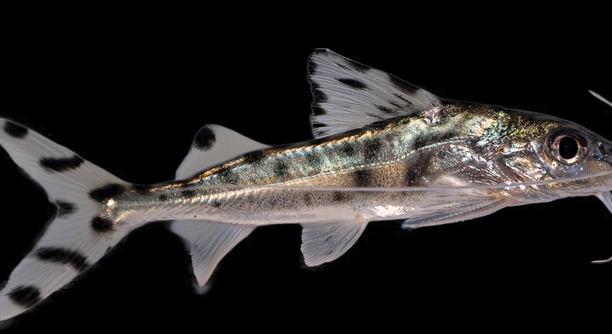
Setting up a low-maintenance Pictus tank can bring beauty and calm to any space without demanding too much time or effort. Many aquarists seek a balance between an attractive display and easy upkeep in their aquarium choices. A well-planned setup can make daily care simple and enjoyable.
Creating a low-maintenance Pictus setup involves selecting hardy plants, providing adequate filtration, and maintaining stable water parameters. These steps reduce the need for constant attention, helping keep the tank clean and the fish healthy with minimal intervention.
This article explains practical steps to build a manageable Pictus environment that fits well into a busy lifestyle. Understanding these basics will support a thriving aquarium with less hassle.
Choosing Hardy Plants for Your Pictus Tank
Selecting the right plants is essential to keep a Pictus tank low-maintenance. Hardy plants like Anubias, Java fern, and Amazon swords can thrive with minimal care. These plants do not require high light or frequent fertilization, making them ideal for beginners or busy caretakers. They also help improve water quality by absorbing excess nutrients. In a Pictus setup, plants should be anchored securely since these fish like to swim actively and may disturb loose plants or substrate. Adding live plants reduces algae growth by competing for nutrients, which means less cleaning for you. By focusing on sturdy plants, you create a natural environment that supports your fish without constant attention. The right plant choice contributes to a balanced tank, offering shelter and resting spots for your Pictus catfish while keeping the ecosystem stable.
Hardy plants reduce maintenance needs and promote a healthier tank environment for your fish.
Keeping plants simple allows you to enjoy your aquarium without frequent replacements or extra work.
Maintaining Stable Water Conditions
Stable water parameters are critical for Pictus health and low-maintenance care. These fish prefer temperatures between 75-80°F and a pH level around 6.5 to 7.5. Consistent water conditions prevent stress and disease, which reduces the need for medication or emergency care. Regular water changes are important but don’t have to be overwhelming. Changing about 20-25% of the water every week helps keep nitrate levels low and oxygen levels high. Using a reliable filter system that supports biological filtration is key to maintaining water clarity and quality. A strong filter will break down waste naturally, reducing the need for manual cleaning. Testing the water weekly helps catch any changes early. Avoid sudden changes in temperature or chemistry, as these can upset the fish and the tank environment. Stability means your Pictus catfish can thrive with minimal intervention, making tank upkeep smoother.
A consistent schedule and good filtration simplify water care and protect your fish’s wellbeing.
Filtration and Aeration
Effective filtration is essential for a low-maintenance Pictus tank. A filter rated for your tank size ensures clean water and reduces waste buildup. Aeration supports oxygen levels, which Pictus catfish need to stay active and healthy.
A canister or hang-on-back filter works well, providing mechanical, biological, and chemical filtration. Mechanical filtration traps debris, while biological filtration breaks down harmful substances through beneficial bacteria. Chemical filtration can remove toxins if necessary. Regular filter maintenance, such as rinsing filter media in tank water, keeps it functioning efficiently without disturbing beneficial bacteria. Proper aeration, using an air stone or filter output, increases oxygen circulation, improving fish respiration and water quality. This reduces the frequency of water changes and keeps the tank environment stable. Investing in reliable filtration and aeration systems creates a solid foundation for a low-maintenance aquarium.
Keeping the filter clean and aeration steady will save time on tank upkeep while supporting your Pictus’s health.
Feeding Practices
Feeding Pictus catfish properly is crucial to maintaining water quality and minimizing maintenance. These fish prefer live or frozen foods like bloodworms, brine shrimp, and small insects, but high-quality sinking pellets also work well. Overfeeding should be avoided, as excess food decomposes and pollutes the water.
Offering food once or twice daily in small amounts ensures that all food is consumed quickly. Remove any uneaten food after a few minutes to prevent decay and algae growth. A varied diet keeps your fish healthy and reduces stress, which can cause illness. Adjust feeding based on the number of fish and their activity level. Feeding in moderation helps maintain water clarity and reduces the load on your filtration system. This simple routine supports a stable tank environment and contributes to the longevity of your Pictus catfish.
Consistent, measured feeding keeps both your fish and your tank cleaner with less effort.
Substrate Choice
Choosing the right substrate helps reduce maintenance in a Pictus tank. Smooth sand or fine gravel works best, allowing the fish to forage without injury. Avoid sharp or coarse materials that can harm their delicate barbels.
A clean substrate also limits debris buildup. Regular vacuuming during water changes keeps the tank tidy and prevents waste accumulation. This simple step supports fish health and lowers overall tank upkeep.
Lighting Setup
Moderate lighting suits both plants and Pictus catfish. Too much light can promote algae growth, increasing cleaning needs. Using a timer for consistent light cycles helps maintain balance.
Tank Decorations
Simple decorations like smooth rocks, driftwood, and caves provide shelter without cluttering the tank. These additions mimic the fish’s natural environment, offering hiding spots that reduce stress and encourage natural behavior. Avoid overcrowding the tank, which can make maintenance more difficult and affect water flow. Keeping decorations minimal supports easier cleaning and a healthier tank overall.
Routine Cleaning
Regular partial water changes and glass wiping maintain a clean environment. Avoid deep cleaning that disrupts beneficial bacteria.
FAQ
How often should I clean my Pictus tank?
Cleaning should focus on regular partial water changes of about 20-25% weekly. This keeps nitrate levels low without disturbing the beneficial bacteria. Wiping the glass and vacuuming the substrate during these changes helps maintain cleanliness. Deep cleaning or changing all water at once can stress fish and disrupt tank balance.
What is the best diet for Pictus catfish?
Pictus catfish thrive on a diet of live or frozen foods like bloodworms and brine shrimp, supplemented with sinking pellets. Feeding small amounts once or twice daily prevents leftover food from polluting the water. A varied diet supports their health and natural behavior.
Can I keep Pictus catfish with other fish?
Yes, Pictus catfish are peaceful and do well with similarly sized, non-aggressive species. Avoid very small fish that could be seen as food, or overly aggressive tank mates. They enjoy socializing in groups of three or more, which helps reduce stress.
How do I maintain stable water parameters for Pictus?
Keep the temperature between 75-80°F and pH near neutral (6.5 to 7.5). Use a reliable heater and test water regularly to prevent sudden changes. Stability reduces stress and disease risk, keeping fish healthier with less intervention.
What type of filter is best for a Pictus tank?
A filter providing mechanical, biological, and chemical filtration works best. Canister or hang-on-back filters rated for the tank size keep water clear and reduce waste buildup. Regular media maintenance without using tap water ensures beneficial bacteria remain active.
How much should I feed my Pictus catfish?
Feed only as much as your fish can eat in a few minutes once or twice a day. Overfeeding leads to leftover food, which causes water quality issues. Remove any uneaten food to keep the tank clean and the fish healthy.
Are live plants necessary for a Pictus tank?
Live plants aren’t required but highly recommended. Hardy plants like Anubias and Java fern improve water quality and provide shelter. They also compete with algae for nutrients, reducing algae growth and tank cleaning frequency.
How many Pictus catfish should I keep together?
A group of three to six Pictus catfish is ideal. They are social fish and feel more secure in groups. Keeping them in small groups encourages natural behavior and reduces stress.
What signs show my Pictus catfish is stressed?
Signs include hiding excessively, loss of appetite, rapid gill movement, or erratic swimming. Stress often results from poor water quality, sudden changes in environment, or aggressive tank mates. Addressing these factors promptly helps fish recover quickly.
Can Pictus catfish tolerate different water hardness levels?
They prefer soft to moderately hard water but can adapt to a range of conditions if changes are gradual. Maintaining consistent water chemistry is more important than exact hardness levels to prevent stress.
These answers cover common concerns while helping maintain a low-maintenance, healthy environment for Pictus catfish. Following these simple guidelines keeps your tank stable and enjoyable.
Final Thoughts
Creating a low-maintenance Pictus setup is about making smart choices that balance beauty and ease of care. Choosing hardy plants, stable water conditions, and proper filtration helps build a healthy environment for your fish. These decisions reduce the time and effort needed for daily upkeep while supporting your Pictus catfish’s well-being. It is important to maintain consistent routines rather than trying complicated or time-consuming methods. Simple, steady care makes a big difference in the tank’s overall health.
Feeding your Pictus catfish a balanced diet in measured amounts prevents water pollution and keeps them active. Avoiding overfeeding reduces waste and the need for extra cleaning. Providing hiding places and enough space encourages natural behaviors that lower stress. The right decorations and substrate also contribute to a balanced, low-maintenance aquarium. Regular partial water changes, filter care, and monitoring water parameters keep the system stable. These actions protect your fish and make tank maintenance manageable.
A Pictus setup that is thoughtfully planned allows you to enjoy the beauty of your aquarium without feeling overwhelmed by upkeep. The goal is to create an environment where your fish can thrive with minimal intervention. By sticking to easy maintenance habits, you ensure a lasting, peaceful habitat. Over time, you will find that caring for your tank becomes a simple and rewarding part of your routine. This approach leads to healthier fish and a more enjoyable aquarium experience overall.

Hello,
If you enjoy the content that we create, please consider saying a "Thank You!" by leaving a tip.
Every little bit helps us continue crafting quality advice that supports the health, happiness, and well-being of pets around the world, for pets of all shapes, sizes, and species.
We really appreciate the kindness and support that you show us!