
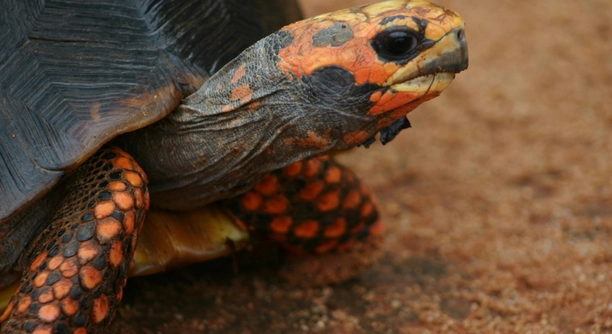
Creating a digging box for your red-footed tortoise can provide them with both physical and mental enrichment. This simple project helps mimic their natural environment and satisfies their need for digging and exploring.
The most effective way to create a digging box for your red-footed tortoise is to use a shallow container filled with loose soil and sand. Ensure the box is large enough for your tortoise to move freely and safely.
This easy-to-make digging box offers your tortoise hours of stimulation while promoting its well-being.
Materials Needed for Your Digging Box
To create the digging box, you’ll need a few basic materials. Start with a shallow plastic or wooden container. Ensure it’s large enough for your red-footed tortoise to move around comfortably. The box should be at least a few inches deep to allow for proper digging. For the filling, use a mix of soil and sand. The soil should be organic and free from chemicals. This mimics the environment of the tortoise’s natural habitat, where they often dig in soft, loose earth. You’ll also need some small rocks or branches to encourage exploration. These items will not only help with physical enrichment but also encourage natural behaviors like burrowing.
For added convenience, a plastic tarp can be placed underneath the box to prevent soil from spilling. You’ll want to make sure that the area is easy to clean and maintain, as tortoises can be messy.
Setting Up the Digging Box
Once you’ve gathered the materials, it’s time to set up the box. Place the container in an area with adequate space for your tortoise to explore. Make sure the environment is safe and free from potential hazards.
Ensure the substrate is deep enough to allow digging, but not so deep that your tortoise might struggle to find its way out. Keep the soil mix damp but not soaked to create the right texture. The box should feel secure and comfortable for the tortoise to spend time in, and it should be placed in an area that’s easy to clean regularly. By offering a digging box, you’ll be improving your tortoise’s overall well-being, promoting natural behavior, and ensuring that it has a stimulating, enriching environment to thrive in.
Maintaining the Digging Box
Regular maintenance is crucial to keeping the digging box clean and safe. Remove any waste or debris daily to prevent bacteria buildup. The substrate should be replaced every few weeks to keep it fresh and hygienic for your tortoise. Check for any signs of mold or foul odor, which could be harmful.
If the box is too damp or dirty, it could lead to health problems for your tortoise. It’s important to replace the soil mix as soon as you notice any signs of degradation. A well-maintained digging box will ensure that your tortoise stays healthy and enjoys its habitat. To make the cleaning process easier, use a small rake to turn the soil and a scoop to remove waste.
Make sure to sanitize the container periodically with a mild disinfectant. A clean environment helps prevent the spread of any bacteria or parasites. Be mindful of using non-toxic cleaning agents, as harsh chemicals can harm your tortoise. Keeping the box clean also helps your pet feel more comfortable and at ease in its environment.
Benefits of a Digging Box
A digging box provides more than just a fun activity for your red-footed tortoise; it also promotes its natural behavior. Red-footed tortoises enjoy digging, and offering them this outlet can help reduce stress and prevent boredom. By mimicking the behaviors they would engage in naturally, such as burrowing and foraging, the tortoise gets physical and mental stimulation.
This activity is essential for the overall health of your tortoise. It helps to exercise their muscles and keep them engaged with their surroundings. Digging boxes also provide them with a sense of security, giving them a place to hide and explore, which can mimic the shelter they seek in the wild. Not only does it improve their physical well-being, but it can also have a positive effect on their mood.
Adding Variety to the Digging Box
Changing the layout and contents of the digging box every so often can help keep your tortoise engaged. You can add leaves, small logs, or safe, non-toxic plants to encourage exploration. A varied environment mimics natural conditions, allowing your tortoise to experience different textures and scents.
Rotating the items in the box prevents it from becoming monotonous. Adding fresh elements will stimulate their curiosity and provide more opportunities for interaction. You can also try burying treats or food to make the digging experience even more rewarding. Keeping the digging box exciting ensures your tortoise remains active and mentally stimulated.
Common Mistakes to Avoid
One common mistake is using substrate that is too hard or compact. This can make digging difficult and uncomfortable for your tortoise. Another mistake is overfilling the box with too much material, which can make it harder for your tortoise to find its way around.
Environmental Factors to Consider
The temperature of the room where the digging box is kept plays a role in your tortoise’s comfort. Tortoises prefer warmer environments, so ensure that the area where you place the box is appropriately heated. Too cold of a room may prevent your tortoise from being active, affecting its overall well-being.
FAQ
How often should I replace the substrate in the digging box?
It’s a good idea to replace the substrate every 3 to 4 weeks, or sooner if it becomes dirty or damp. Regular cleaning is essential to prevent bacteria growth. If your tortoise has specific habits, such as eating in the box, you may need to replace the substrate more frequently to maintain hygiene.
Can I use sand as the only material in the digging box?
While sand is an essential component, it should not be the only material. A mix of soil and sand is best, as it mimics the natural environment more closely. The soil helps retain moisture and provides a soft surface for digging. Too much sand can become too dry and uncomfortable for your tortoise.
Should I add food or treats to the digging box?
Yes, adding food or treats occasionally can be a great way to engage your tortoise. Burying food encourages natural foraging behavior and makes the digging box more interactive. However, make sure the treats are safe and suitable for your tortoise’s diet.
What kind of plants can I put in the digging box?
Non-toxic, tortoise-friendly plants can be added to the digging box. Common choices include dandelions, clover, and certain types of grasses. Ensure the plants are pesticide-free and safe for tortoises to consume if they choose to nibble on them.
How deep should the digging box be?
The digging box should be at least 4-6 inches deep, though deeper boxes may be more beneficial for encouraging digging. Ensure the box is shallow enough to allow your tortoise to climb in and out easily. A deeper box allows for more digging and exploration.
Can I use plastic for the digging box?
Yes, plastic containers can be used for the digging box. They are easy to clean and generally affordable. Just make sure the container is sturdy and doesn’t have any sharp edges. Wooden boxes are also an option, but they require more maintenance to prevent mold.
Is a digging box necessary for a red-footed tortoise?
While a digging box isn’t strictly necessary, it greatly improves the quality of life for a red-footed tortoise. It mimics their natural behavior of burrowing and foraging, which helps with their mental and physical stimulation. It’s also a great way to reduce stress and encourage healthy activity.
How big should the digging box be?
The digging box should be large enough for your tortoise to move around comfortably. A good size is about 3 to 4 times the length of your tortoise’s shell. This allows them enough space to explore and interact with the materials inside.
Can I put multiple tortoises in the same digging box?
If you have more than one tortoise, it’s generally best to provide separate digging boxes to avoid any potential conflicts. Red-footed tortoises can be territorial, especially when food or space is involved. Separate boxes give each tortoise the freedom to explore without stress.
How do I prevent mold in the digging box?
To prevent mold, ensure that the substrate is not overly wet. Keep the digging box in a well-ventilated area, and allow the soil to dry out slightly between waterings. You can also add small amounts of dry organic matter, such as coconut coir, to help with moisture control.
How do I clean the digging box?
To clean the digging box, remove all the substrate and waste, then wash the container with mild soap and water. Make sure to rinse thoroughly to remove any soap residue. If the box is particularly dirty, you can disinfect it with a pet-safe cleaner before adding fresh substrate.
Can I add a heat source to the digging box?
A heat source is not necessary for the digging box itself, but it’s important to make sure the room or enclosure your tortoise is kept in is properly heated. Red-footed tortoises thrive in warm environments, and a consistent temperature will keep them active and healthy.
What should I do if my tortoise doesn’t use the digging box?
If your tortoise isn’t using the digging box, it may need some encouragement. Try adding treats or burying food to draw their attention. Also, make sure the box is placed in an area where they feel comfortable and secure. It may take time for them to adjust to the new addition.
Can I use synthetic materials like fake grass in the digging box?
It’s best to avoid synthetic materials like fake grass, as they don’t provide the same benefits as natural substrates. Red-footed tortoises need to dig and burrow in natural materials. Fake grass can be difficult to clean and may trap moisture, leading to an unhealthy environment.
Should I place a digging box outside for my tortoise?
If the weather is appropriate and the area is safe, placing the digging box outside can be beneficial for your tortoise. However, ensure that the area is free from predators and other hazards. Be mindful of temperature fluctuations and bring your tortoise inside if it gets too hot or cold.
Can I use wood chips in the digging box?
Wood chips can be used, but only if they are a non-toxic variety, like aspen or pine. Avoid using cedar or other types of wood chips, as they can be harmful to tortoises. It’s always better to stick to soil and sand mixes, as they are safer and more natural for digging.
How do I know if the digging box is too small?
If your tortoise seems cramped or isn’t able to move around freely, the digging box is likely too small. A properly sized box allows your tortoise to explore, dig, and turn around without feeling confined. Regularly assess their behavior to ensure the box meets their needs.
Final Thoughts
Creating a digging box for your red-footed tortoise is a simple yet rewarding task. It provides an environment that encourages natural behaviors, such as digging and foraging, which is essential for your tortoise’s well-being. A proper digging box allows your tortoise to engage in physical and mental activities that help reduce stress and prevent boredom. This simple addition to their habitat can significantly improve their overall health and happiness, offering them a space to explore and interact with their surroundings.
It’s important to use safe, natural materials when setting up the digging box. Substrates like soil, sand, and organic matter work well, mimicking the tortoise’s natural environment. Adding variety to the box by rotating materials and including non-toxic plants can keep your tortoise entertained and mentally stimulated. Make sure the digging box is large enough for your tortoise to move comfortably and that it’s placed in an area that suits their temperature and humidity needs. A well-maintained and thoughtfully designed digging box can provide an enriching experience for your tortoise.
Lastly, patience is key. Some tortoises may take time to adjust to their new digging box, while others may immediately enjoy it. The key is to regularly assess their activity and make adjustments as necessary. If your tortoise doesn’t seem interested at first, try adding food or treats to encourage exploration. Over time, a well-designed digging box can become an important part of your tortoise’s daily routine, promoting a healthy and fulfilling life.

Hello,
If you enjoy the content that we create, please consider saying a "Thank You!" by leaving a tip.
Every little bit helps us continue crafting quality advice that supports the health, happiness, and well-being of pets around the world, for pets of all shapes, sizes, and species.
We really appreciate the kindness and support that you show us!