
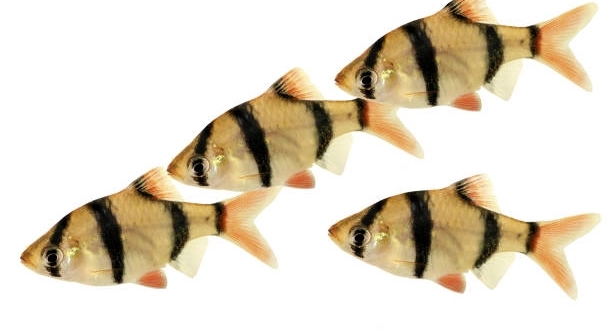
Keeping a Tiger Barb tank healthy requires careful attention to water quality, especially ammonia levels. Ammonia buildup can harm your fish, making it essential to manage it properly. This article explains simple ways to lower ammonia in your aquarium.
The primary method to reduce ammonia in a Tiger Barb tank is through regular water changes and proper filtration. Avoid overfeeding and remove uneaten food promptly. Using beneficial bacteria supplements can also help convert ammonia into less harmful substances.
Understanding these steps ensures your Tiger Barbs remain healthy and active. Proper care not only improves water quality but also supports the overall well-being of your aquatic pets.
Causes of High Ammonia in Tiger Barb Tanks
High ammonia levels in a Tiger Barb tank usually result from waste buildup and poor tank maintenance. Fish produce waste continuously, and uneaten food can decompose, releasing ammonia into the water. Overcrowding the tank adds more waste than the filtration system can handle. A newly set-up tank might also have high ammonia because the beneficial bacteria needed to process ammonia have not fully established. Improper or infrequent water changes allow ammonia to accumulate. Additionally, a malfunctioning or inadequate filter reduces the tank’s ability to remove toxins effectively. Testing the water regularly helps catch high ammonia levels before they harm the fish. Understanding these causes makes it easier to address the problem efficiently and keep your tank healthy.
Regular water testing is essential to identify ammonia spikes early and prevent damage to your Tiger Barbs.
Maintaining a clean environment with proper filtration and regular water changes controls ammonia effectively. The biological filter, which contains beneficial bacteria, breaks down ammonia into less toxic substances. Keeping fish populations balanced and feeding only what they can consume prevents excess waste. If ammonia rises, perform partial water changes immediately and clean the filter media gently to preserve bacteria. Avoid using chemicals that kill bacteria, as this disrupts the tank’s natural ammonia cycle. Over time, with proper care, ammonia levels will stay safe and your Tiger Barbs will thrive.
Effective Ammonia Removal Techniques
Routine water changes are one of the best ways to lower ammonia.
Using ammonia-removing products can provide quick relief but should not replace regular maintenance.
Incorporating live plants in the tank helps absorb ammonia naturally. Plants use ammonia and nitrates as nutrients, reducing toxins. Adding a bacterial supplement accelerates the cycling process by boosting beneficial bacteria growth, which converts ammonia to nitrites and then nitrates. Avoid overfeeding and remove waste promptly to limit ammonia production. If ammonia levels spike, partial water changes of 25-50% are recommended until levels stabilize. Monitoring water parameters weekly ensures ammonia stays within a safe range. Combining these techniques maintains a healthy environment for your Tiger Barbs and promotes their long-term well-being.
Monitoring Ammonia Levels Regularly
Regular ammonia testing is vital for a healthy tank. Use reliable test kits to check levels at least once a week.
Consistent monitoring helps detect ammonia spikes early, preventing harm to Tiger Barbs. Testing water parameters like pH and nitrite alongside ammonia provides a clearer picture of tank health. Maintaining records of test results can identify trends, making it easier to adjust care routines. Quick action when ammonia rises reduces stress and damage to fish.
Tracking ammonia allows for timely water changes and adjustments in feeding or filtration. It also helps evaluate the effectiveness of ammonia-reducing methods. Regular testing supports stable water quality, which is crucial for Tiger Barbs’ health and behavior.
Maintaining a Balanced Tank Environment
Maintaining proper tank balance involves managing fish numbers and ensuring effective filtration. Overstocking increases waste and ammonia production.
Keeping the tank clean and avoiding excess feeding are essential to prevent ammonia buildup. Regularly clean the substrate and remove debris. Choose a filter rated for your tank size to maintain water clarity and biological filtration. Adding live plants can improve water quality by absorbing ammonia naturally. Balanced tank conditions promote the health and activity of Tiger Barbs, reducing the risk of ammonia-related problems and encouraging natural behaviors.
Feeding Practices to Reduce Ammonia
Feeding your Tiger Barbs sparingly helps reduce ammonia buildup. Only give as much food as they can eat in a few minutes.
Remove any uneaten food promptly to prevent it from decomposing and releasing ammonia into the water.
Benefits of Beneficial Bacteria Supplements
Adding beneficial bacteria supplements speeds up the breakdown of ammonia in your tank. These bacteria convert ammonia into nitrites and then nitrates, which are less harmful to fish. Supplements can be especially useful in new tanks or after cleaning that disrupts the natural bacterial colonies. Using these products helps maintain a stable and safe environment for your Tiger Barbs.
Avoid Overcrowding
Overcrowding increases waste, raising ammonia levels quickly. Keep fish numbers appropriate for your tank size.
FAQ
How often should I test ammonia levels in my Tiger Barb tank?
Testing ammonia levels at least once a week is recommended to maintain a healthy environment. Frequent testing helps catch any spikes early before they become dangerous. In new tanks or if you notice signs of stress in your fish, testing more often—every two to three days—can prevent serious issues. Keeping a consistent schedule ensures you can act quickly if ammonia levels rise.
What is a safe ammonia level for Tiger Barbs?
Ammonia levels should be kept at zero or as close to zero as possible. Even low amounts of ammonia can stress Tiger Barbs and weaken their immune systems. Levels above 0.25 ppm can start to cause harm, so regular monitoring and maintenance are necessary to keep ammonia within safe limits.
Can overfeeding cause ammonia problems?
Yes, overfeeding is one of the main causes of ammonia buildup. Uneaten food decomposes and releases ammonia into the water. Feeding your fish small amounts that they can eat within a few minutes reduces waste and helps keep ammonia levels low.
What are the signs of ammonia poisoning in Tiger Barbs?
Signs include gasping at the water surface, lethargy, loss of appetite, and clamped fins. You might also see red or inflamed gills. If you notice these signs, test the water immediately and perform a partial water change to reduce ammonia.
How can I lower ammonia quickly in an emergency?
Perform a partial water change of 25-50% immediately to dilute ammonia. Avoid disturbing the substrate too much, as this can release more ammonia. Adding an ammonia neutralizer can help temporarily, but it’s important to address the source of the problem with water changes and better maintenance.
Is filtration enough to control ammonia?
Filtration is important but usually not enough on its own. Biological filters house beneficial bacteria that convert ammonia to less harmful substances. However, you must also manage feeding, waste, and water changes to keep ammonia under control.
Can live plants help reduce ammonia?
Yes, live plants absorb ammonia and other nitrogen compounds as nutrients, improving water quality. Fast-growing plants are especially effective at reducing ammonia levels. Adding plants can support natural tank balance along with proper filtration.
What role do beneficial bacteria supplements play?
These supplements boost the population of nitrifying bacteria in your tank, speeding up ammonia breakdown. They are useful when setting up a new tank, after cleaning the filter, or if ammonia spikes occur. Using them regularly can stabilize your tank’s nitrogen cycle.
How much water should I change to control ammonia?
A partial water change of 25-50% is generally effective for lowering ammonia quickly. The exact amount depends on the severity of the ammonia spike. Frequent smaller water changes are better than infrequent large changes, as they maintain stable water conditions.
Can ammonia levels rise suddenly?
Yes, ammonia can rise suddenly due to overfeeding, filter failure, overcrowding, or decay of plants and uneaten food. Regular testing and maintenance prevent sudden increases and help maintain a safe environment for your fish.
How can I prevent ammonia buildup in the future?
Regular water changes, proper feeding, adequate filtration, avoiding overcrowding, and monitoring water parameters are key steps. Keeping the tank clean and stable encourages beneficial bacteria growth, which naturally controls ammonia.
Is it safe to use ammonia detoxifiers long term?
Ammonia detoxifiers provide temporary relief by neutralizing ammonia. They are not a replacement for good tank maintenance. Long-term reliance on chemicals can mask underlying problems and harm beneficial bacteria. Use them only as a short-term solution while correcting the source of ammonia.
Maintaining low ammonia levels in a Tiger Barb tank is essential for keeping your fish healthy and happy. Ammonia can build up quickly if the tank is not properly cared for, and this can cause stress or even illness in your fish. Simple steps like regular water changes, not overfeeding, and making sure your filtration system is working well can go a long way toward controlling ammonia. It is important to stay consistent with these practices because ammonia problems often come from neglect or irregular maintenance.
Testing your tank water regularly helps you stay ahead of any ammonia spikes before they become harmful. Using a good water test kit once a week or more often if needed gives you a clear picture of your tank’s health. If ammonia levels do rise, it is important to act quickly by doing partial water changes and checking the filter. Adding beneficial bacteria supplements can also help speed up the natural process that breaks down ammonia, especially in newer tanks or after cleaning. Remember, a balanced tank with the right number of fish and healthy plants supports better water quality and reduces ammonia buildup naturally.
Taking the time to understand how ammonia affects your Tiger Barbs and what causes it can save you stress and keep your aquarium thriving. Managing feeding amounts, avoiding overcrowding, and maintaining clean conditions are all part of responsible fishkeeping. While it may feel like a lot at first, these steps become routine with practice. Ultimately, your efforts ensure that your Tiger Barbs live in a safe environment, free from harmful ammonia levels, allowing them to stay active and healthy for a long time.

Hello,
If you enjoy the content that we create, please consider saying a "Thank You!" by leaving a tip.
Every little bit helps us continue crafting quality advice that supports the health, happiness, and well-being of pets around the world, for pets of all shapes, sizes, and species.
We really appreciate the kindness and support that you show us!