
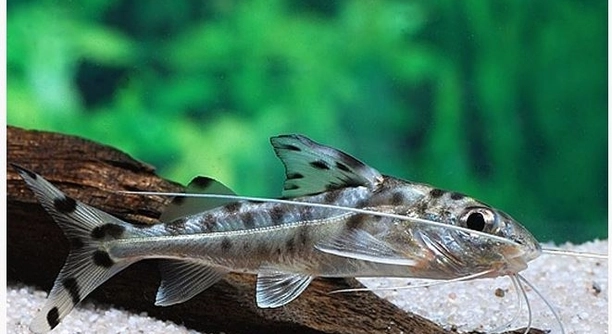
Nitrate buildup is a common issue in Pictus catfish tanks, affecting water quality and fish health. Managing these levels is essential for maintaining a safe and balanced environment. This article offers practical advice on lowering nitrate concentrations effectively.
The most effective way to reduce nitrate levels in a Pictus tank involves regular water changes, proper filtration, and avoiding overfeeding. These steps help remove excess waste and prevent nitrate accumulation, supporting a healthier aquatic environment.
Maintaining clean water is key for your fish’s well-being and tank longevity. The following tips will help you keep nitrate levels under control and ensure a stable habitat.
Causes of High Nitrate Levels in a Pictus Tank
High nitrate levels usually come from leftover food, fish waste, and decaying plants. When these materials break down, they release nitrogen compounds that eventually turn into nitrates. Overfeeding your fish or not cleaning the tank regularly can make this problem worse. A crowded tank with too many fish will also produce more waste, increasing nitrate levels faster.
Nitrates are less harmful than ammonia or nitrite but can still stress fish and promote algae growth if too high.
Regular maintenance, such as removing uneaten food and dead plants, helps keep nitrates low. Using a good filter also aids in breaking down waste, but it cannot remove nitrates completely. Understanding these sources makes it easier to prevent nitrate buildup and keep your Pictus tank healthy for longer.
How to Lower Nitrate Levels
Start by doing partial water changes weekly, replacing about 20-30% of the water to dilute nitrates effectively. Using plants that absorb nitrates can also help keep levels down naturally. Avoid overfeeding and remove waste promptly to prevent buildup.
A reliable filter is key for breaking down waste into less harmful substances, but it won’t remove nitrates fully. For more control, consider nitrate-absorbing filter media or chemical treatments, but these should complement regular water changes, not replace them. Monitoring nitrate levels with test kits will help you adjust maintenance habits before the problem grows. Balancing feeding, cleaning, and filtration is the best way to keep your tank safe and your Pictus catfish comfortable.
Testing Nitrate Levels Regularly
Testing nitrate levels often helps catch problems early. Using an aquarium test kit is simple and shows if water changes are needed.
Test kits use color charts to compare water samples, giving quick and reliable results. Keeping track of nitrate levels over time helps you notice trends and adjust maintenance. Consistent testing ensures your tank stays safe, avoiding surprises that could harm your Pictus catfish.
Regular testing is important because nitrates build up slowly. It helps you maintain a healthy environment by letting you act before levels get too high, protecting your fish and plants.
The Role of Plants in Nitrate Control
Live plants absorb nitrates as nutrients, lowering their concentration in the water. Adding fast-growing plants like hornwort or water sprite can quickly reduce nitrates naturally. This method supports biological balance without harsh chemicals or frequent water changes.
Plants also improve oxygen levels and provide hiding spots for your fish, making the tank environment more comfortable. While plants help with nitrate control, they shouldn’t replace regular tank maintenance, as dead plant matter can add to waste buildup if not removed promptly. Combining plants with proper care keeps nitrate levels manageable and your Pictus catfish happy.
Proper Feeding Habits
Feeding your Pictus catfish the right amount prevents excess waste. Overfeeding leads to leftover food that breaks down into nitrates.
Feed small portions that your fish can finish within a few minutes. This reduces waste and keeps nitrate levels lower, helping maintain better water quality.
Filtration System Maintenance
Regular cleaning of your filter media ensures it works efficiently. A dirty filter cannot process waste well, causing nitrate buildup. Replace or rinse filter parts monthly, but avoid cleaning all media at once to preserve beneficial bacteria.
Keeping the filter in good condition supports the tank’s nitrogen cycle, which helps control nitrate levels naturally.
Avoid Overcrowding
Too many fish in one tank increase waste production rapidly. This makes nitrate control difficult and can stress your Pictus catfish. Maintain a balanced number of fish based on your tank size to keep the environment stable.
FAQ
How often should I test nitrate levels in my Pictus tank?
Testing nitrate levels once a week is a good routine. This helps you catch any rising levels early before they become harmful. If your tank is new or has a high fish load, test more frequently. Keeping track over time makes maintenance easier and protects your fish from stress caused by poor water quality.
What is a safe nitrate level for Pictus catfish?
Nitrate levels below 20 ppm (parts per million) are ideal for Pictus catfish. Levels up to 40 ppm are usually safe but should be monitored closely. Anything above 40 ppm can cause stress and long-term health issues, so it’s best to act quickly if levels rise.
Can plants alone keep nitrate levels low?
Plants help absorb nitrates, but they can’t do all the work alone. You still need regular water changes and proper feeding habits. Dead or decaying plants can add to nitrate problems if not removed. A balanced approach with plants and maintenance works best.
How much water should I change to lower nitrates?
Changing 20-30% of the water weekly is usually enough to reduce nitrates significantly. If nitrate levels are very high, larger or more frequent water changes might be needed until levels drop. Always use treated water at the right temperature to avoid shocking your fish.
Does filter media remove nitrates?
Standard filter media mainly remove ammonia and nitrites, not nitrates. Some specialized media can reduce nitrates, but these should supplement regular water changes, not replace them. Good filtration supports the nitrogen cycle but won’t solve nitrate buildup alone.
Is overfeeding the main cause of high nitrates?
Yes, overfeeding is a common cause because leftover food breaks down into nitrates. Feeding small amounts your fish can eat quickly helps prevent this. It also reduces waste in the tank, keeping water cleaner and fish healthier.
Can I use chemicals to lower nitrate levels?
Chemical treatments exist but should be used carefully and not as a permanent solution. They can help in emergencies but don’t replace good tank care like water changes and proper filtration. Relying too much on chemicals may harm beneficial bacteria.
How do I know if nitrates are affecting my fish?
Signs include sluggish behavior, loss of appetite, or increased gasping at the surface. Algae growth can also increase with high nitrates. Regular testing is important to catch issues before fish show signs of stress.
Are water conditioners helpful against nitrates?
Most water conditioners remove chlorine and chloramine but do not remove nitrates. Some products claim to reduce nitrates, but their effectiveness varies. The best approach remains consistent water changes and good tank maintenance.
Can substrate affect nitrate levels?
Yes, dirty substrate traps waste that breaks down into nitrates. Regular cleaning with a gravel vacuum during water changes helps remove this debris. A clean substrate supports better water quality and reduces nitrate buildup over time.
Managing nitrate levels in a Pictus tank is important for the health and comfort of your fish. High nitrate levels can slowly stress your Pictus catfish, making them more prone to illness and reducing their lifespan. Regular water changes, proper feeding, and maintaining a clean tank are the best ways to keep nitrates under control. Paying attention to these basic steps will help create a stable environment where your fish can thrive.
Using live plants in your tank can also make a difference. Plants absorb nitrates as part of their natural growth process, helping to lower nitrate levels without extra effort on your part. However, plants should not be your only solution. Dead leaves and decaying plants add waste to the tank, which can increase nitrates if not removed. Combining plants with routine cleaning and water changes creates a balanced approach that keeps the water quality good.
Lastly, testing nitrate levels regularly is key. Knowing the nitrate concentration allows you to act before problems become serious. Many hobbyists overlook this step and only test when their fish look sick. Testing helps you stay ahead of issues and ensures a healthy home for your Pictus catfish. By following simple care tips and monitoring water quality, you can enjoy a beautiful tank and happy fish for a long time.

Hello,
If you enjoy the content that we create, please consider saying a "Thank You!" by leaving a tip.
Every little bit helps us continue crafting quality advice that supports the health, happiness, and well-being of pets around the world, for pets of all shapes, sizes, and species.
We really appreciate the kindness and support that you show us!