
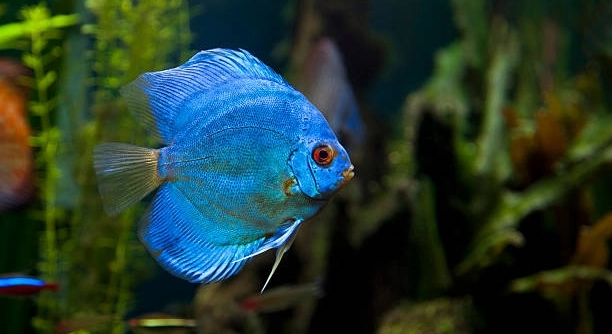
Are your discus fish tank conditions stable and safe for your aquatic pets? Setting up a new tank requires patience and understanding to ensure a healthy environment for discus fish to thrive. Proper cycling is essential before adding your fish.
A discus tank is considered cycled when beneficial bacteria colonies establish and efficiently convert harmful ammonia and nitrites into less toxic nitrates, maintaining water quality suitable for the health and survival of the discus fish.
Knowing when your tank has reached this stage helps prevent fish stress and illness. This article will guide you through recognizing the signs of a fully cycled discus tank.
Understanding the Nitrogen Cycle in a Discus Tank
The nitrogen cycle is the foundation for a healthy aquarium environment. When you start a new discus tank, fish waste, leftover food, and decaying plants produce ammonia, which is toxic to fish. Beneficial bacteria begin to grow and convert ammonia into nitrites, which are also harmful but less so than ammonia. Then, another group of bacteria converts nitrites into nitrates, which are much less toxic and can be controlled through regular water changes. This process can take several weeks to complete, depending on tank size, temperature, and the presence of bacteria sources. Patience is important because adding fish too early can lead to ammonia and nitrite spikes, harming your discus. Keeping an eye on water parameters with test kits will help you track the cycle’s progress and know when the tank is safe.
Regular testing ensures you catch toxic spikes before they affect your fish’s health.
Maintaining a stable nitrogen cycle is key to avoiding stress and disease in your discus. Once ammonia and nitrites consistently read zero, and nitrates remain low, the tank is cycled. At this point, the beneficial bacteria populations are balanced and capable of handling the waste produced by your discus. You’ll want to perform routine partial water changes to keep nitrates in check and maintain water quality. Introducing fish slowly will prevent overwhelming the bacteria colonies. Watching for changes in water chemistry will guide you in keeping your discus comfortable and healthy. Understanding this cycle helps you build a thriving environment for your discus, ensuring they live longer and display their vibrant colors beautifully.
Signs Your Discus Tank Is Fully Cycled
You can tell your discus tank is cycled when ammonia and nitrite levels consistently test at zero.
A fully cycled tank shows stable water parameters. Fish behave normally, without signs of stress like gasping at the surface or clamped fins. Clear water and a lack of foul odors also indicate good conditions. The beneficial bacteria colonies have grown enough to process fish waste efficiently. Using an aquarium test kit, monitor ammonia, nitrite, and nitrate levels daily. When ammonia and nitrites are zero, and nitrates are present but low, your tank is ready for regular stocking. Avoid rushing the process, as it ensures your discus will thrive in a balanced environment. Once cycled, maintain the tank by avoiding overfeeding and performing routine water changes to support the bacteria and your fish’s health.
Testing Your Water Regularly
Regular water testing is essential for knowing when your discus tank is cycled. Test for ammonia, nitrites, and nitrates frequently.
Using reliable test kits, you can track the levels of these chemicals. Ammonia and nitrites should drop to zero, while nitrates will rise slightly but remain low. Testing helps prevent sudden spikes that can harm your fish. Keep a log to notice trends and changes in water quality. Testing twice a week during cycling is ideal, then reduce to once a week once stable. This simple routine protects your discus and ensures a healthy tank environment.
Consistent testing allows you to act quickly if water quality changes. It’s the best way to keep your discus safe and comfortable in their home.
Avoiding Common Cycling Mistakes
Adding too many fish at once often causes ammonia spikes, which can harm your discus. Starting with just a few fish allows bacteria to adjust naturally. Avoid overfeeding as uneaten food breaks down and raises ammonia levels. Make sure your filter is running properly, as it houses the beneficial bacteria needed to process waste. Some use bacterial supplements, but these don’t replace patience and proper maintenance. Keep the tank temperature stable and avoid unnecessary water changes during cycling, as this can slow bacterial growth. Being cautious and steady during cycling helps build a strong, healthy tank.
Patience is key when cycling your discus tank. Rushing the process can lead to stress and health issues for your fish. A gradual approach prevents sudden toxic spikes and supports a balanced ecosystem. Monitor your water parameters carefully and adjust your care routine accordingly. Good filtration, proper feeding, and controlled stocking are the pillars of a successful cycle. Each step contributes to creating an environment where your discus can flourish with vibrant colors and active behavior. Taking your time now saves heartache later.
Using Ammonia and Nitrite Test Kits
Ammonia and nitrite test kits are the most reliable tools to track your tank’s cycle progress. These kits help identify harmful chemical levels that fish cannot tolerate.
Regular testing with these kits ensures that the beneficial bacteria are working properly to keep your tank safe. Monitoring results guide your next steps in tank care.
When to Add Your Discus Fish
Add your discus fish only after ammonia and nitrite levels consistently read zero. This ensures the tank is safe and bacteria colonies are established.
Introducing fish too early risks exposing them to toxic water conditions, which can cause stress or illness. Starting with a fully cycled tank improves survival and health.
Signs of Stress in Discus Fish
Watch for signs such as gasping at the surface, hiding, or loss of color. These symptoms may indicate poor water quality or an uncycled tank.
Early detection of stress allows you to adjust care quickly and protect your fish from harm.
FAQ
How long does it take to cycle a discus tank?
Cycling a discus tank typically takes four to six weeks. This time allows beneficial bacteria to grow and establish a balanced nitrogen cycle. Factors like temperature, tank size, and whether you use bacterial supplements can influence the length. Warmer temperatures usually speed up bacteria growth. Testing water regularly is important to know when the cycle is complete. Patience during this period helps avoid fish stress or loss.
Can I speed up the cycling process?
You can speed cycling slightly by adding filter media or substrate from an established tank to introduce beneficial bacteria. Using bacterial supplements may help, but they are not a guaranteed quick fix. Maintaining a stable temperature around 78°F (25.5°C) supports faster bacterial growth. Avoid water changes during early cycling, as this can remove bacteria. Remember, rushing the process risks harming your discus fish later.
What happens if I add discus fish too early?
Adding discus before the tank is cycled exposes them to harmful ammonia and nitrite spikes. These chemicals can cause stress, weaken their immune system, and lead to illness or death. Signs include gasping, lethargy, and color loss. It’s better to wait until tests show ammonia and nitrites at zero. Starting with a cycled tank ensures your fish have a stable, healthy environment.
How do I know if my water test results are accurate?
Always use high-quality, reliable test kits and follow the instructions carefully. Test kits can expire or be affected by storage conditions, so check expiration dates. Test your water at the same time and place for consistency. If unsure, compare results with another test kit or get your water tested professionally. Accurate readings are essential for tracking your tank’s cycle and keeping your discus safe.
Are water changes necessary during cycling?
During cycling, avoid large water changes unless ammonia or nitrite levels become dangerously high. Water changes can remove beneficial bacteria and slow cycling. If spikes occur, a small partial water change (about 25%) can reduce toxins while preserving bacteria. After cycling, regular water changes are important to keep nitrate levels low and maintain water quality for discus health.
What nitrate level is safe for discus fish?
Nitrate levels should be kept below 20 ppm for discus. Higher nitrate concentrations can stress the fish and encourage algae growth. Once the tank is cycled, routine water changes help keep nitrates low. Testing for nitrates regularly ensures you maintain a healthy environment. Stable and clean water is key to keeping your discus vibrant and active.
Can I use plants to help cycle my discus tank?
Live plants can aid the cycling process by absorbing nitrates and providing surfaces for beneficial bacteria to grow. They also improve water quality by producing oxygen. However, plants alone won’t complete the cycle; beneficial bacteria are still necessary. Choosing hardy plants suitable for discus tanks can support a balanced ecosystem and create a natural feel for your fish.
What temperature is best during the cycling process?
Maintaining a stable temperature between 78°F and 82°F (25.5°C to 28°C) encourages beneficial bacteria growth and mimics ideal discus conditions. Temperatures outside this range can slow the cycle or stress the bacteria and fish. Using an aquarium heater with a thermostat helps keep the temperature consistent, which is crucial for a smooth and timely cycling process.
How often should I test water during cycling?
Test your water at least every two to three days during cycling to track ammonia, nitrite, and nitrate levels. More frequent testing helps catch spikes early and prevents harm to your fish. Once the cycle is complete and stable, weekly testing is sufficient to maintain water quality. Keeping detailed records makes it easier to identify problems and adjust care as needed.
Can I rely on smell or water clarity to know if my tank is cycled?
Smell and water clarity can give hints but aren’t reliable indicators of cycling status. Clear water can still contain toxic ammonia or nitrites, and bad smells may indicate poor maintenance rather than cycling problems. Testing water parameters with kits provides accurate, objective information. Relying on smell or appearance alone risks missing dangerous chemical spikes that affect your discus health.
Final Thoughts
Knowing when your discus tank is fully cycled is essential for the health and well-being of your fish. The cycling process creates a stable environment where harmful ammonia and nitrites are converted into less toxic nitrates. This balance helps prevent stress, illness, and death in your discus. Patience is important because rushing the cycle or adding fish too early can cause problems. Taking the time to monitor water parameters and wait for the right moment will lead to a more successful and enjoyable aquarium experience.
Regular testing with reliable kits is the best way to track your tank’s cycling progress. Watching for ammonia and nitrite levels to drop to zero and nitrate levels to rise slightly confirms the beneficial bacteria have established themselves. It’s also important to avoid common mistakes such as overfeeding, adding too many fish at once, or performing excessive water changes during cycling. These actions can disrupt the balance and slow down or even stop the process. Maintaining steady temperature and good filtration supports the bacteria’s growth and keeps your tank healthy.
Once your discus tank is fully cycled, routine care will keep it stable. Regular water changes, controlled feeding, and monitoring water quality help maintain this balance over time. By understanding the nitrogen cycle and respecting the time it takes, you create a safe and thriving home for your discus fish. This care ensures they stay vibrant, active, and healthy for years to come. Taking the right steps from the beginning will give you confidence and peace of mind in your aquarium hobby.

Hello,
If you enjoy the content that we create, please consider saying a "Thank You!" by leaving a tip.
Every little bit helps us continue crafting quality advice that supports the health, happiness, and well-being of pets around the world, for pets of all shapes, sizes, and species.
We really appreciate the kindness and support that you show us!