
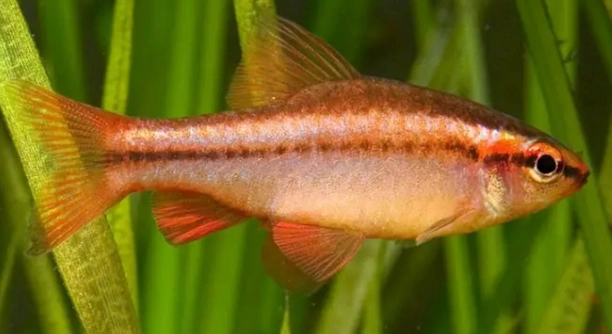
Are your cherry barbs acting differently lately, swimming less or hiding more than usual? These signs can be concerning to any fish keeper. Learning what they mean could help you catch a serious issue early.
A cherry barb that is dying often shows symptoms such as lack of appetite, faded coloration, erratic swimming, or staying near the bottom of the tank. These behavioral and physical changes can signal stress, illness, or poor water conditions.
Knowing what to look for can make a difference in your fish’s comfort and quality of life during their final days.
Signs Your Cherry Barb May Be Dying
When a cherry barb is nearing the end of its life, it often begins to show clear signs. You might notice your fish is less active, swimming more slowly or not at all. It may start to isolate itself from the others in the tank, often resting near the bottom or hiding behind decorations. The fish might also lose its color, turning pale or dull. Labored breathing is another signal, where the gills seem to move quickly, even when the fish is still. You may also see the cherry barb floating sideways or struggling to maintain balance in the water. Some will stop eating altogether, which is not normal behavior. These symptoms may not always mean death is near, but they do point to serious stress or sickness that needs attention. Observing your fish daily helps catch these signs early and gives you a better chance at helping it.
Many cherry barbs will show changes in appearance or behavior a few days before they die, which makes observation important.
If your cherry barb is showing multiple signs from the list above, it’s best to act quickly. Check the tank water parameters like ammonia, nitrite, nitrate, and pH. Poor water conditions can weaken fish and make them more likely to get sick. Next, consider if there have been recent changes in the tank—new fish, a different diet, or even new plants. These shifts can introduce stress or parasites. Try separating the sick fish into a quarantine tank to avoid spreading illness. Look for physical symptoms such as bloating, white spots, or damaged fins to help narrow down the issue. Sometimes the cause is internal, like organ failure, especially in older fish. While not all illnesses can be reversed, prompt action gives you a better chance to ease your cherry barb’s discomfort. Even if the fish doesn’t recover, you’ll know you did everything possible.
What You Can Do to Help
Focus on keeping your cherry barb comfortable. A quiet environment with clean water can help reduce stress in sick fish.
Make sure your tank’s water parameters are within the ideal range: pH around 6.5 to 7.5, ammonia and nitrites at zero, and nitrates under 20 ppm. Clean the filter regularly, but avoid sudden changes in water chemistry. Partial water changes every few days can improve water quality without shocking the fish. Keep the water temperature stable—cherry barbs do best between 74°F and 78°F. If the fish is in a community tank, try moving it to a quieter area or a hospital tank. Add an air stone or increase water surface movement to ensure enough oxygen. Avoid feeding too much, and remove uneaten food. Offer easily digestible foods like shelled peas or specialized soft pellets. If the fish seems in pain, consider humane methods for euthanasia, but only as a last resort. Watching a fish decline can be hard, but keeping its environment safe and calm makes a difference.
Common Causes of Cherry Barb Decline
Stress is one of the biggest reasons cherry barbs start to decline. Stress can come from poor water quality, overcrowding, or sudden changes in their environment. Even small things like loud noises or strong currents can affect their health.
Over time, stress weakens the immune system, making cherry barbs more vulnerable to infections and disease. Ammonia spikes or unbalanced pH levels can harm their gills and reduce their ability to breathe properly. In tanks that are too small or lack hiding spaces, cherry barbs may become territorial or get bullied, leading to injury or exhaustion. Incompatible tankmates can also cause nonstop chasing or fin-nipping. These daily stressors build up, reducing the fish’s chances of survival. Regular tank maintenance and choosing the right companions can prevent many of these issues from developing in the first place.
Poor diet is another major cause of health decline. If cherry barbs aren’t getting enough variety or nutrients, they may develop internal problems. Feeding the same flake food daily doesn’t provide everything they need. Lack of vitamins can lead to organ failure, while high-fat foods may affect their liver. It’s also common for some fish to overeat, which leads to bloating and swim bladder issues. Frozen or live foods like brine shrimp or daphnia add both nutrition and interest to their meals. Make sure the food size fits their mouth, and remove leftovers to keep the water clean. A healthy diet plays a huge role in their energy and recovery ability.
Recognizing Irreversible Symptoms
There are times when even with the best care, a cherry barb may not recover. When the fish stops responding to movement, refuses all food, or floats sideways for long periods, it may be nearing the end.
Other irreversible signs include sunken eyes, curled spine, and uncontrollable spinning. If the fish lies on its side and gasps constantly, this usually shows severe internal damage or organ failure. These symptoms are often connected to age or untreatable diseases like tumors or advanced infections. In such cases, improving water quality or offering medicine may not be enough to reverse the damage. It’s a difficult part of fishkeeping, but recognizing when a fish is suffering helps you make informed and compassionate decisions. Keeping a calm environment during this stage is key. You can reduce light, keep tankmates away, and avoid handling the fish unless necessary.
How to Comfort a Dying Cherry Barb
Keep the tank quiet and dim to reduce stress. Limit loud noises or bright lights near the tank. Avoid moving decorations or adjusting water conditions too much unless absolutely necessary. Stability and calmness help the fish feel safer.
Provide a soft place to rest, like smooth plants or a fine substrate. Avoid sharp rocks or fast currents. If other fish are bothering it, use a divider or move it to a separate tank. This gives it space to rest without being disturbed.
When to Consider Euthanasia
If your cherry barb is clearly suffering, euthanasia may be the most humane option. Look for signs like extreme body distortion, labored breathing, or no reaction to touch. These usually mean the fish is in pain and beyond recovery. Avoid freezing or flushing—it’s cruel and stressful for the fish. Instead, use clove oil, which is a gentle way to put a fish to sleep. Mix a few drops in warm water, and then add it to a separate container where the fish has been placed. The process is peaceful, and the fish will slowly lose consciousness without panic.
Aftercare and Cleaning
Clean the tank well after removing a dead fish. Check the filter, remove uneaten food, and test the water. This helps protect the rest of your fish from sickness.
FAQ
What are the most common signs of a dying cherry barb?
The most common signs that a cherry barb is dying include a loss of color, decreased activity, and erratic swimming behavior. If it starts isolating itself or staying near the bottom of the tank, it’s usually a sign of distress. The fish might also stop eating or display rapid gill movement, indicating respiratory distress. When these symptoms are observed, it’s important to check the water quality and assess if any external factors might be causing the issue.
Can a dying cherry barb recover?
A dying cherry barb can sometimes recover if the cause of the decline is caught early and treated properly. However, recovery depends on the severity of the problem. If the issue is related to poor water quality, stress, or a temporary illness, recovery is possible with prompt action. But if the fish is suffering from severe organ failure or an advanced infection, recovery may not be possible. Regular monitoring and quick intervention are key.
How can I prevent my cherry barb from getting sick?
Preventing illness in cherry barbs starts with maintaining clean and stable tank conditions. Regularly test the water for ammonia, nitrite, nitrate, and pH levels. Keep the temperature stable, ideally between 74°F and 78°F. Ensure that the tank isn’t overcrowded and that there are enough hiding places for each fish. Feed a balanced diet, including varied foods like pellets, flakes, and occasional live or frozen options. Lastly, be mindful of tankmates—ensure that they are peaceful and compatible with cherry barbs.
Why is my cherry barb turning pale?
A pale cherry barb can be a sign of stress, poor water quality, or illness. Stress from overcrowding, aggression from other fish, or sudden changes in the environment can cause a loss of color. Poor water conditions, such as high ammonia or low oxygen levels, can also lead to pale coloring. If the fish appears pale but otherwise behaves normally, focus on improving tank conditions and reducing stressors. If the fading color is accompanied by other signs of illness, further investigation is needed.
What should I do if my cherry barb stops eating?
If your cherry barb stops eating, check the water quality first. Poor water conditions can lead to loss of appetite. If the water is fine, look for signs of illness such as bloating, discoloration, or abnormal swimming. Offer a variety of foods, as sometimes a fish will refuse a particular type of food. If the fish continues to refuse food for more than a few days, it may be a sign of a deeper issue, and you should consider consulting an aquarium specialist.
Can cherry barbs live with other fish?
Cherry barbs are peaceful fish and can live well with most other non-aggressive species. They do best in community tanks with other small, peaceful fish. Avoid keeping them with large, aggressive fish or fin-nippers. Fish like guppies, tetras, and corydoras are usually good tankmates. It’s important to ensure that no fish is bullying the cherry barb, as stress from aggression can lead to illness or death. Providing plenty of hiding spaces can help reduce stress.
How often should I clean the tank for my cherry barb?
You should clean your tank regularly to keep the water quality optimal. Perform partial water changes of 25-30% every week, especially if you have multiple fish in the tank. Clean the filter every month or as needed, depending on the tank size and bio-load. Remove any uneaten food to prevent it from breaking down and affecting water quality. Regular tank maintenance helps prevent the buildup of toxins like ammonia and nitrates, which can harm your cherry barb.
What temperature do cherry barbs need to thrive?
Cherry barbs thrive in water temperatures between 74°F and 78°F (23°C – 26°C). Keeping the water within this range helps to maintain their metabolism and immune system. Temperatures below or above this range can stress the fish, making them more susceptible to illness. Use a reliable aquarium heater and thermometer to maintain consistent temperatures, especially during seasonal changes.
Can stress cause a cherry barb to die?
Yes, stress can significantly impact a cherry barb’s health and even lead to death. Stress can come from poor water quality, overcrowding, incompatible tankmates, or frequent changes in the environment. Long-term stress weakens the fish’s immune system, making it more susceptible to infections and diseases. It’s crucial to keep their tank environment stable and avoid sudden changes to minimize stress.
How can I tell if my cherry barb is sick?
Look for symptoms such as lethargy, changes in swimming behavior, loss of color, or clamped fins. Sick cherry barbs may also have damaged fins, swelling, or unusual growths on their bodies. If you notice these signs, check the water quality and consider separating the sick fish to prevent potential spread of disease. If the symptoms persist, consider consulting an aquarium veterinarian. Regular observation of your fish will help you spot these issues early.
Can I treat a cherry barb’s illness at home?
In many cases, minor illnesses like external parasites or fungal infections can be treated at home. Use aquarium medications specifically designed for the illness your fish is showing. Always follow the instructions on the medication carefully. For more severe conditions like internal parasites or advanced bacterial infections, a quarantine tank might be needed, and you may need to consult a professional to determine the best course of action. Always address potential illnesses quickly to avoid further complications.
Why is my cherry barb swimming erratically?
Erratic swimming behavior in a cherry barb can be a sign of several issues. It could be related to poor water quality, stress, or an underlying illness. If the fish is swimming in circles or darting around uncontrollably, it might be suffering from a parasite or swim bladder disorder. Make sure the water parameters are within the ideal range and remove any stressors, such as aggressive tankmates. If the behavior continues, look for other signs of illness to help diagnose the problem.
What is the lifespan of a cherry barb?
Cherry barbs typically live for 3 to 5 years in a well-maintained aquarium. Their lifespan depends on factors like water quality, diet, and overall care. Fish that experience frequent stress or poor living conditions may have a shorter lifespan. Proper tank maintenance and keeping them in ideal conditions will give them the best chance for a longer, healthier life.
Final Thoughts
Taking care of a cherry barb, like any pet, requires attention and effort. These small fish are relatively hardy, but they can still suffer if their environment isn’t ideal. Keeping the water clean and at the right temperature is key to their health. Consistent monitoring of the tank’s water parameters, such as ammonia, nitrites, nitrates, and pH, helps avoid many common issues. Also, maintaining a peaceful environment without overcrowding or aggressive tankmates can go a long way in preventing stress and illness. Regular water changes and avoiding sudden shifts in the tank’s conditions will help your cherry barbs live longer and healthier lives.
Even though cherry barbs are relatively easy to care for, they still require attention to detail. Stress is one of the most common causes of illness in fish, and it’s often linked to factors like poor water quality, too much competition for food, or aggressive tankmates. Stress can make the fish more vulnerable to diseases and infections, which can quickly become fatal. It’s important to be patient and monitor your fish regularly, not only to catch early signs of illness but also to ensure they are thriving in their environment. This can help ensure that your cherry barb lives a full, healthy life.
Ultimately, while it can be difficult to watch a cherry barb struggle, understanding the signs and causes of illness can help you make better decisions. When they are near the end, it’s important to prioritize their comfort and well-being. Taking steps like reducing stress, offering quiet spaces, and providing the right care can help ease their passing. If your fish is suffering and there’s no chance for recovery, it’s better to make a humane decision. Whether your cherry barb is thriving or nearing the end, giving them a stable, healthy environment is the best way to show your care and respect for them.

Hello,
If you enjoy the content that we create, please consider saying a "Thank You!" by leaving a tip.
Every little bit helps us continue crafting quality advice that supports the health, happiness, and well-being of pets around the world, for pets of all shapes, sizes, and species.
We really appreciate the kindness and support that you show us!