
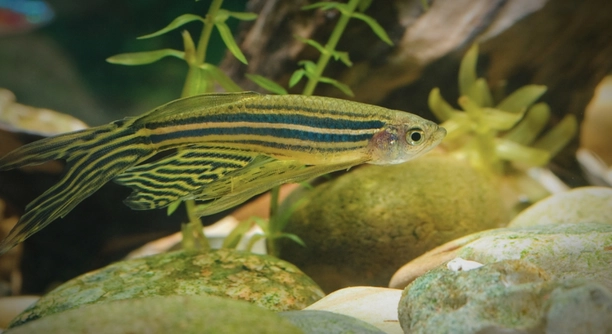
Zebra Danios are lively and colorful fish that are popular in aquariums. Understanding when they are ready to breed can be a bit tricky but is an important part of their care. Knowing these signs ensures success.
Zebra Danios typically show breeding readiness through specific physical and behavioral changes. Males will become more vibrant, and females will appear rounder as they fill with eggs. Mating behavior also intensifies, with males chasing females.
Observing these signs can guide you in preparing the tank environment to encourage breeding. Understanding their readiness will help you provide the best care for your fish and ensure a healthy breeding process.
Physical Changes in Zebra Danios
As Zebra Danios approach breeding, they undergo noticeable physical changes. Males typically develop more vivid coloring, especially around the fins. Their colors may become brighter and more pronounced. Females, on the other hand, will appear rounder as they store eggs. The increase in size is usually most visible around the abdomen. These physical changes are essential indicators that the fish are preparing to breed. The males’ bright colors are meant to attract the females. When a female is ready to lay eggs, her belly will become noticeably swollen. This difference in appearance between the male and female is one of the easiest ways to spot readiness for breeding.
It’s important to observe these physical changes, as they are a clear sign that your Zebra Danios are ready for breeding.
Providing an environment that supports their physical changes, like a well-maintained tank with appropriate water conditions, will help them feel comfortable and secure enough to mate.
Behavioral Signs of Breeding Readiness
When Zebra Danios are ready to breed, their behavior changes significantly. Males often become more active and aggressive, chasing females around the tank. This behavior is part of the courtship ritual, where the male is attempting to attract the female’s attention. During this time, males will swim rapidly in front of the females, darting and flicking their fins. They may also nip at the females as part of the mating process.
If you notice that your male Zebra Danios are displaying these behaviors, it’s a good sign that breeding is imminent. The increased activity in the tank can sometimes be mistaken for aggression, but it’s simply part of their natural mating behavior. It’s important to note that these behaviors may also occur more frequently during specific times of the day, usually around dawn or dusk, when they feel most active.
Observing these changes closely will help ensure you’re prepared to support their breeding behavior effectively. By maintaining a suitable environment and offering plenty of space for them to swim, you can help reduce stress and create the best possible conditions for breeding.
Environmental Factors to Support Breeding
Creating an ideal environment for Zebra Danios to breed is crucial. They prefer water temperatures between 75-80°F (24-27°C), which helps stimulate their breeding instincts. A tank that is clean, with stable water conditions, encourages healthy breeding. Water quality is essential, so be sure to perform regular water changes and maintain a filtration system that keeps the water free of debris. Slightly acidic to neutral pH (around 6.5-7.0) is best for Zebra Danios to breed. Adding live plants in the tank will provide the fish with places to hide and lay eggs.
Zebra Danios are egg-scattering fish, meaning they lay their eggs on plants or tank surfaces. To ensure that the eggs are not eaten by the adults, it’s helpful to use a breeding net or separate the breeding pair from the rest of the tank once the spawning occurs. In addition to water temperature and pH, lighting can play a role in encouraging breeding. A light cycle that mimics natural day and night patterns is beneficial, as Zebra Danios often breed in the early morning hours.
These factors, combined with the right physical and behavioral signs, will give you the best chance at successfully breeding Zebra Danios.
Preparing the Tank for Breeding
Before attempting to breed Zebra Danios, it’s important to prepare the tank. Ensure it’s large enough, around 10-20 gallons, to give them space to swim. Keep the water clean and maintain proper filtration. The tank should have plenty of hiding spots and plants for the fish to feel secure.
Adding live plants like java moss or hornwort provides hiding spots for both the adults and the eggs. These plants offer a natural environment for Zebra Danios to feel comfortable and help reduce stress. If you’re breeding a pair, make sure to set up a separate breeding area with fine mesh or a breeding box. This allows the eggs to remain safe and prevents adult fish from eating them. Also, ensure the water temperature is stable at 75-80°F to create the ideal conditions for breeding.
A prepared tank increases the chances of successful breeding and protects the eggs. With the right setup, your Zebra Danios will have a much better environment to spawn, ensuring a smoother process.
Feeding Zebra Danios Before Breeding
Proper nutrition is key when preparing Zebra Danios for breeding. Offer high-quality food like live or frozen brine shrimp, daphnia, or high-protein flakes. These foods promote the health of both males and females. Providing a varied diet increases their chances of successful reproduction.
Feeding the fish a nutrient-rich diet ensures that they are in good condition for breeding. You can also feed them smaller amounts multiple times a day to keep them energized and active. It’s important to avoid overfeeding, as leftover food can lead to poor water quality. During the breeding season, a well-balanced diet boosts their energy levels and supports the development of eggs in the female. Proper nutrition also supports the males in their active mating behavior. A healthy diet is the foundation for breeding success.
Monitoring Water Quality
Keeping the water quality stable is essential for breeding Zebra Danios. Check parameters like pH, ammonia, nitrites, and nitrates regularly. Perform weekly water changes to ensure the water remains clean. Water changes reduce toxins and keep the environment safe for both the parents and eggs.
Maintain consistent water temperature and keep the tank free of pollutants. Proper filtration ensures clean water without stressing the fish. Use a reliable water testing kit to monitor the tank’s chemistry. If the water conditions fluctuate too much, it can delay or prevent breeding. Stable, clean water is one of the most important factors in encouraging successful breeding.
Tank Lighting for Breeding
Zebra Danios prefer a light cycle that mimics natural day and night patterns. Provide about 12 hours of light followed by 12 hours of darkness. This regular cycle helps regulate their biological rhythms, encouraging breeding. A consistent light schedule signals to the fish when it’s time to spawn.
The use of proper tank lighting can help bring out the best in your Zebra Danios. A dim, gentle light during the night, along with bright daylight, mimics their natural habitat. This subtle cue helps trigger the breeding process, making them feel comfortable and secure enough to reproduce.
Spawning Behavior
Once the breeding conditions are met, the male Zebra Danios will actively pursue the female. Males swim in front of the female, often nudging her and displaying their vibrant colors. The female will then scatter eggs on plants or surfaces within the tank. Afterward, the male fertilizes the eggs.
During spawning, the male may chase the female around the tank. This courtship behavior is a sign that they are ready to reproduce. The actual spawning process is quick, with eggs being laid and fertilized in rapid succession. Be sure to separate the breeding pair after spawning to prevent the adults from eating the eggs.
FAQ
How long does it take for Zebra Danios to breed?
Zebra Danios typically take a few weeks to breed once conditions are right. The actual breeding process is fast, often taking place within a few hours after the male starts chasing the female. The eggs are usually laid in the morning, and fertilization happens almost immediately. Once the eggs are fertilized, they will hatch in about 2-3 days, depending on the water temperature. Warmer water speeds up the process.
What should I do if my Zebra Danios aren’t breeding?
If your Zebra Danios aren’t breeding, check the water temperature first. It should be between 75-80°F (24-27°C). If it’s too cold or too hot, they might not feel comfortable enough to breed. Next, ensure the tank has enough plants and hiding spots, as these provide a sense of security. You can also try increasing their food intake, offering high-protein live or frozen foods, and maintaining a consistent light schedule. If all conditions are right and they still aren’t breeding, it may simply be a timing issue, as some fish breed in cycles.
How do I know if my Zebra Danios are pregnant?
Zebra Danios don’t actually get “pregnant” in the same way mammals do, since they are egg-layers. However, female Zebra Danios will become noticeably rounder when they are full of eggs. This is the clearest sign that they are ready to spawn. If you observe this, it’s likely that breeding will happen soon, especially if the female is being pursued by males. The eggs may be visible through her translucent body if she is close to spawning.
Can I breed Zebra Danios in a community tank?
Breeding Zebra Danios in a community tank is possible, but it’s not ideal. Adult Zebra Danios will eat their own eggs if given the chance, and other fish in the tank may do the same. If you’re trying to breed them, it’s better to set up a separate breeding tank or use a breeding box to protect the eggs. You should also make sure the breeding pair is separated after spawning to prevent egg predation. A community tank can work if there are plenty of hiding spots, but it requires extra attention.
How often do Zebra Danios breed?
Zebra Danios can breed quite frequently, typically every two to three weeks, when conditions are ideal. They are prolific breeders, especially when kept in the right environment with proper water conditions and food. If they are in a breeding tank with stable parameters, they may breed multiple times over the course of a few months. However, it’s important to monitor the tank to avoid overcrowding and maintain a balanced ecosystem.
Do I need a separate tank to breed Zebra Danios?
While you don’t need a separate tank, it’s highly recommended to use one for breeding Zebra Danios. In a separate tank, you can better control the environment, including water temperature, light cycle, and the presence of plants or hiding spots. This setup helps prevent other fish from eating the eggs and gives the fry (baby fish) a safer place to grow. If you’re breeding in a community tank, consider using a breeding box or mesh divider to protect the eggs from being eaten by other tank mates.
What do I do after Zebra Danios spawn?
After Zebra Danios spawn, it’s important to remove the adults from the tank, as they may eat the eggs. The eggs will typically hatch in 2-3 days, depending on the water temperature. Once hatched, the fry will stay near the bottom of the tank and begin to swim in a few days. At this point, you can start feeding them infusoria or finely crushed flake food. Make sure to maintain clean water conditions and ensure the fry have plenty of places to hide to avoid stress or predation.
How many eggs do Zebra Danios lay?
Zebra Danios can lay anywhere from 100 to 300 eggs in a single spawning session. The number depends on the size and health of the female. The eggs are small and usually sticky, which helps them attach to plants or surfaces in the tank. The male fertilizes the eggs immediately after they are laid. It’s common for only a portion of the eggs to hatch successfully, so it’s important to ensure good water quality and the right environmental conditions to give the eggs the best chance to develop into healthy fry.
Can Zebra Danios breed with other fish?
Zebra Danios will not crossbreed with other species. They are a specific species of Danio, and mating can only occur between Zebra Danios. However, they can live in a community tank with other fish species that are peaceful and not aggressive. It’s important to keep breeding pairs separate from the general population to prevent the eggs from being eaten or disturbed by other fish.
How do I take care of Zebra Danio fry?
Taking care of Zebra Danio fry involves maintaining optimal water conditions. Ensure that the tank is free of debris, and perform small water changes regularly to keep the environment clean. Start by feeding the fry small amounts of food, such as infusoria, followed by powdered fry food or baby brine shrimp as they grow. It’s also important to provide hiding places for the fry to reduce stress and protect them from the adults. As they grow, you can gradually increase the size of the food you offer.
What’s the best food for Zebra Danios?
Zebra Danios enjoy a variety of foods, including high-quality flake food, live or frozen brine shrimp, daphnia, and bloodworms. A varied diet is crucial, especially for breeding fish. For breeding purposes, live or frozen foods like brine shrimp offer the necessary nutrients and encourage healthy reproduction. Regular feeding with a balanced diet promotes overall health, vibrant colors, and active behavior, which are essential for breeding success.
Final Thoughts
Breeding Zebra Danios can be a rewarding experience for fish keepers, but it requires preparation and attention to detail. Understanding the physical and behavioral signs that indicate breeding readiness is crucial for ensuring successful reproduction. When both males and females are healthy and in the right environment, the breeding process becomes much smoother. By keeping the water conditions stable and providing the right diet, you’ll increase the chances of your Zebra Danios successfully laying eggs and raising fry. Remember that patience is key, as sometimes fish may take a little while to breed even when everything seems ideal.
One of the most important things to remember is that Zebra Danios are prolific breeders, and their ability to reproduce often depends on their environment. Maintaining a clean tank with proper filtration, temperature, and water quality is essential for both the health of the adults and the survival of the eggs. The addition of live plants in the tank can also provide the necessary space for the eggs to be laid and help protect them from being eaten by the adults. If you’re breeding them in a community tank, consider using a breeding box or separate the breeding pair after spawning to avoid any potential issues with other fish eating the eggs.
In the end, breeding Zebra Danios is not a complicated task, but it does require a bit of planning and care. Once you know the signs and how to prepare the tank, it becomes a more natural and enjoyable process. With the right steps, you can create an environment where both the adults and their offspring can thrive. This process not only supports the growth of new fish but also gives you the chance to observe their fascinating behavior as they go through their natural reproductive cycle. Whether you’re an experienced fish keeper or a beginner, breeding Zebra Danios can be a great way to learn more about these vibrant and active fish.

Hello,
If you enjoy the content that we create, please consider saying a "Thank You!" by leaving a tip.
Every little bit helps us continue crafting quality advice that supports the health, happiness, and well-being of pets around the world, for pets of all shapes, sizes, and species.
We really appreciate the kindness and support that you show us!