
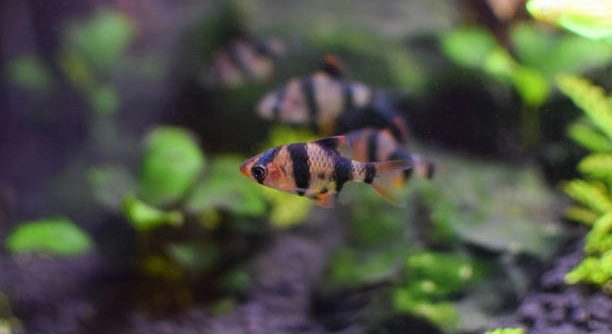
Have you ever watched your tiger barb swim around and wondered if it actually enjoys your presence or recognizes you at all?
Tiger barbs show affection through specific behaviors like swimming toward you, displaying vibrant colors, and remaining calm in your presence. These signs typically indicate trust, familiarity, and a level of comfort with your interactions.
Understanding these signs can help you create a more engaging and stress-free environment for your tiger barb in the long run.
Common Signs Your Tiger Barb Likes You
If your tiger barb swims toward you when you approach the tank, that’s a clear sign it’s comfortable around you. These fish tend to recognize regular interactions, especially during feeding times. A relaxed body, vibrant coloring, and smooth swimming patterns usually show that your presence doesn’t stress them. Some tiger barbs will even follow your finger along the glass, which indicates curiosity and a willingness to engage. These behaviors become more noticeable with routine care and attention. Consistency matters. The more often you interact calmly and provide a peaceful environment, the more likely your tiger barb is to respond positively.
Tiger barbs that trust you won’t dart away or hide when you’re nearby. They may even hover close when you’re at the tank.
Avoid tapping the glass or making sudden movements. These fish dislike loud noises and need stability to build familiarity with you. Soft gestures and regular care help.
What Influences Their Behavior Toward You
Stress can affect how your tiger barb behaves around you. Tankmates, water quality, and lighting all play a role in how safe your fish feels.
Tiger barbs are sensitive to changes in their environment. A noisy space, frequent tank cleaning, or overcrowding can lead to anxious behavior. If your tiger barb seems distant or aggressive, take a closer look at its surroundings. They need consistent water temperature, clean filtration, and the right balance of light and shade. Other fish in the tank may also impact their behavior—especially if they’re being nipped or chased. These social fish do best in groups of five or more, where they feel more secure. Feeding routines matter too. If your fish begins to associate you with food at the same time daily, it can create a bond over time. Positive habits lead to calm behavior, which helps build trust. Creating a peaceful, balanced setting will encourage them to interact with you more.
How to Encourage Positive Behavior
Small, quiet movements around the tank help your tiger barb feel safe. Stick to a regular feeding schedule, and avoid tapping or sudden changes in the tank. Calm handling encourages trust and a sense of routine.
Feeding your tiger barb at the same time each day helps it feel secure and recognize your presence as a positive one. Over time, it may begin to associate you with food, which often leads to more interaction. Avoid overfeeding, as this can affect water quality and cause stress. Instead, use this time to build a pattern of calm and consistent care. Try using the same area of the tank for feeding, which gives them a predictable space to approach you. These fish respond well to stability, so make sure tank conditions stay balanced and quiet. With steady care, your tiger barb will begin to show more interest in your movements.
Tank layout can also support bonding. Add hiding spaces like plants or decorations to help reduce stress and create a sense of safety. Fish that feel secure are more likely to interact with you calmly. Bright lighting should be balanced with shaded areas to avoid overstimulation. A well-planned tank setup helps create the right mood for positive behavior. If your tiger barb has a stable, peaceful space, it’s easier for it to focus on your presence. You might notice it spending more time out in the open or even swimming near you. These reactions are small signs of trust that grow stronger with time and consistency. Let the environment work with you, not against you.
What to Avoid When Interacting
Avoid reaching into the tank unnecessarily or making sudden movements. These actions can cause stress and break the trust you’ve been working to build. Keep things quiet, predictable, and calm when near your tiger barb.
Loud noises, strong vibrations, or sudden changes in lighting can easily frighten tiger barbs. Their natural instincts push them to hide or act aggressively when they feel unsafe. Limit how often you rearrange their tank or handle them. If maintenance is needed, move slowly and speak softly if you’re nearby. Consistency matters—interactions should be short, calm, and frequent enough to feel familiar without being overwhelming. Also, avoid introducing new tankmates without checking compatibility, as aggressive fish can stress your tiger barb and change how it behaves around you. Building trust is about protecting their comfort. Reducing stressors helps them associate you with safety and calm, leading to better behavior and more positive reactions.
Signs They’re Still Unsure About You
If your tiger barb hides when you approach or darts quickly to the back of the tank, it likely feels uneasy. These are signs of discomfort that suggest it doesn’t fully trust your presence yet.
Erratic swimming or dull colors can also indicate stress. When a tiger barb feels uncertain, it may avoid the front of the tank or act restless, even when food is offered.
Building Trust Takes Time
Trust with tiger barbs grows slowly through steady, predictable care. Maintain a calm routine that includes gentle interaction, stable tank conditions, and consistent feeding. Avoid overhandling or constantly changing their environment. Give them time to adjust, and let their behavior guide you. Positive progress shows in small ways—like when they stay near the glass or wait calmly during feeding. Pay attention to their movements, posture, and colors. These clues help you understand what makes them feel safe. Over time, your tiger barb will begin to treat your presence as familiar and even comforting, which leads to a stronger and more peaceful connection.
When to Adjust Your Approach
If your tiger barb becomes more withdrawn, aggressive, or stops eating, reassess the tank setup, noise levels, or lighting. Small adjustments often make a big difference in how they respond to you.
FAQ
How can I tell if my tiger barb is stressed?
Signs of stress in tiger barbs include hiding frequently, loss of color vibrancy, erratic swimming, and refusal to eat. They may also show aggression toward tankmates or themselves. Stress often results from poor water quality, sudden changes in the tank, overcrowding, or loud noises nearby. Keeping a stable environment helps reduce stress and encourages natural, calm behavior.
Why does my tiger barb sometimes nip at others?
Tiger barbs are naturally active and can be nippy, especially if kept in too small groups or overcrowded tanks. They nip to establish dominance or play, but too much aggression means their environment may need adjustment. Keeping them in groups of at least five or six helps spread aggression and reduces nipping on any one fish.
Can tiger barbs recognize their owner?
While tiger barbs don’t recognize individuals like mammals do, they can learn to associate you with feeding and safety through routine interactions. Over time, they may swim toward you during feeding or show calmer behavior when you’re near, indicating a level of trust and familiarity.
How often should I feed my tiger barb?
Feeding your tiger barb once or twice a day is ideal. Give only as much food as they can eat in about two minutes to avoid overfeeding. Overfeeding can pollute the water and cause health issues. Variety is good—include flakes, pellets, and occasional live or frozen foods for balanced nutrition.
What is the best tank setup to keep tiger barbs happy?
A tank of at least 20 gallons with plenty of plants and hiding spots works best. Tiger barbs are active swimmers, so open swimming space is important. Stable water temperature (74-79°F), good filtration, and moderate lighting help keep them comfortable. Ensure tankmates are compatible and avoid slow-moving or long-finned fish, which can be targets for nipping.
How can I encourage my tiger barb to interact more?
Consistent feeding routines help build trust. Approach the tank calmly and avoid sudden movements. Try offering food from the same spot to create positive associations. Maintaining a clean, quiet environment with plenty of hiding spaces will make your tiger barb feel secure and more willing to come near.
What should I do if my tiger barb stops eating?
A sudden loss of appetite can signal stress or illness. Check water parameters immediately—ammonia, nitrite, and nitrate levels should be safe. Observe for signs of disease like spots or unusual behavior. If water is fine and the fish still won’t eat, try offering different foods or adjusting tank conditions. Consult a vet or experienced aquarist if problems continue.
Do tiger barbs prefer company?
Yes, tiger barbs are schooling fish and thrive in groups of five or more. Being in a group reduces stress and aggression while promoting natural behaviors. Alone, they may become shy or aggressive. Proper social structure in the tank helps them feel safer and more confident.
Can I touch or handle my tiger barb?
Handling tiger barbs is not recommended as it causes stress and potential injury. Instead, interact through the tank glass with calm movements and feeding routines. If maintenance requires moving the fish, use a soft net gently and minimize handling time.
How long do tiger barbs live?
With proper care, tiger barbs typically live 5 to 7 years. Good water quality, balanced diet, and stress-free conditions help maximize their lifespan. Regular tank maintenance and monitoring health are essential to keep them thriving.
Final thoughts on understanding your tiger barb’s behavior focus on patience and consistency. These fish show affection and trust in subtle ways, which may take time to notice. They rely heavily on a stable environment and regular care to feel comfortable. Building a positive relationship with your tiger barb requires steady interaction, gentle movements near the tank, and maintaining clean water conditions. Over time, these small efforts encourage your fish to display signs of comfort like swimming near you, vibrant colors, and calm behavior.
It is important to remember that each tiger barb is unique. Some may become more interactive faster, while others remain shy or cautious for longer periods. Factors such as tank size, tankmates, and overall tank health affect how your tiger barb responds to you. Stress from poor water quality or aggressive fish can make them hide or act restless. By minimizing these stressors and providing a peaceful space, you help your tiger barb feel secure. Consistent feeding schedules and avoiding sudden changes also support their well-being and trust toward you.
Ultimately, knowing if your tiger barb likes you comes down to observing their behavior closely and responding with care. Positive signs include relaxed swimming, approaching the front of the tank, and responding calmly during feeding. Negative signs like hiding, erratic swimming, or color loss suggest discomfort or stress. Patience is key. Trust builds slowly with steady care and a calm environment. This quiet connection improves your fish’s quality of life and makes caring for them more rewarding over time.

Hello,
If you enjoy the content that we create, please consider saying a "Thank You!" by leaving a tip.
Every little bit helps us continue crafting quality advice that supports the health, happiness, and well-being of pets around the world, for pets of all shapes, sizes, and species.
We really appreciate the kindness and support that you show us!