
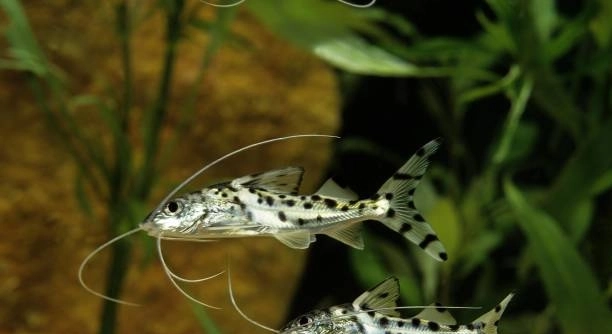
Is your aquarium environment calm enough for your pictus catfish? Many fish owners aim for peaceful tanks but may not realize how much water movement their pictus truly needs. Proper conditions are key to keeping these fish comfortable and healthy.
Pictus catfish require moderate water flow to mimic their natural river habitats. Tanks that are too calm can lead to stress, reduced activity, and health problems. Maintaining appropriate current encourages natural behavior and supports overall well-being.
Understanding the right balance of water movement helps ensure your pictus thrive in captivity. This article explains how to recognize signs of an overly calm tank and what adjustments can improve your fish’s environment.
Signs Your Tank Is Too Calm for Pictus
When the water flow in your tank is too gentle, pictus catfish may show clear signs of discomfort. They might hide more often or become less active, seeming sluggish compared to their usual behavior. Sometimes, you may notice unusual resting positions or less frequent swimming around the tank. This lack of movement is a strong indicator the current isn’t sufficient for their needs. Additionally, water that is too still can lead to lower oxygen levels, which affects their health. Watching these behaviors closely helps you identify if your tank’s environment needs adjustment to better suit pictus catfish.
Low activity levels and hiding often are key signals that the tank flow is insufficient.
A calm tank lacks the dynamic water movement pictus catfish need to stay alert and healthy. These fish naturally live in rivers with steady currents, so replicating that environment is important. Too little water movement limits oxygen exchange and reduces stimulation. Increasing the flow with a gentle filter or powerhead can encourage your pictus to be more active and display natural swimming patterns. Adjusting the tank flow also helps prevent buildup of debris and improves water quality. Observing changes after modifying water movement will confirm if your pictus feel more comfortable.
How to Increase Water Flow Safely
Increasing water flow should be done carefully to avoid stressing your pictus. Adding a small powerhead or adjusting the filter output can create a gentle current. Avoid making the water too turbulent, as pictus prefer moderate flow rather than strong waves. Positioning the flow toward one side of the tank allows them to choose calmer areas if needed. Regular monitoring after adjustments ensures your fish adapt well. It’s important to balance flow with hiding spots like plants or decorations where pictus can rest.
A gentle increase in flow encourages healthy activity without overwhelming your fish.
Moderate water flow improves oxygen levels and replicates natural conditions that pictus need. Start with low settings on pumps or filters and observe fish behavior. If they swim actively and explore more, the changes are beneficial. Too strong currents may cause stress, so watch for signs of fatigue or avoidance. Adjust as necessary to maintain a comfortable environment. Incorporating plants and decorations helps create microhabitats with varying flow, giving pictus options to find their preferred spots. Proper flow supports their respiratory health and overall well-being in captivity.
Adjusting Tank Setup for Better Flow
Adding a powerhead is one of the easiest ways to increase water movement. Position it to create gentle currents without strong turbulence. Adjust filter outlets to direct flow along the tank walls, allowing pictus to swim comfortably.
Proper placement of equipment helps balance water flow throughout the tank. Powerheads or small pumps should be angled to avoid strong blasts directly at the fish. Creating circular water movement promotes oxygen exchange and simulates natural currents. Decorations like rocks and plants can help diffuse flow, giving pictus spaces to rest and escape stronger currents. Careful setup ensures the water movement feels natural rather than overwhelming.
In some cases, adjusting the filter’s flow rate can also improve circulation. Reducing strong, focused jets while increasing overall movement helps maintain steady currents. Combining equipment with natural barriers in the tank provides pictus the ability to control their environment and reduce stress.
Monitoring Pictus Behavior After Changes
Observe your pictus closely after adjusting the flow to make sure they adapt well. Look for signs of increased activity and natural swimming patterns. Stress indicators like hiding or erratic swimming should decrease.
Improved water flow should result in more frequent swimming and exploration. Pictus tend to glide through currents naturally, so a moderate increase often encourages this behavior. Watching how they interact with new currents over days helps determine if adjustments are effective. If they avoid certain areas or seem fatigued, the flow may still be too strong. Reassessing equipment placement and flow intensity is important to find the right balance for your tank’s unique setup.
Common Mistakes to Avoid
Overcompensating by creating too strong a current can stress pictus catfish. Avoid positioning pumps where water flow is direct and forceful.
Ignoring the need for resting spots in the tank may lead to stress. Providing plants or caves helps pictus escape strong currents when needed.
Importance of Oxygen Levels
Water movement directly affects oxygen exchange in the aquarium. Calm tanks may have lower oxygen levels, which can harm pictus health. Increasing flow helps oxygenate the water and supports respiration. Proper circulation also prevents buildup of waste and keeps water cleaner, benefiting fish overall.
Equipment Recommendations
Choose adjustable powerheads or filters that allow you to control flow strength. This flexibility makes it easier to find the right current for your pictus catfish.
Signs of Stress from Strong Currents
If pictus cling to surfaces or hide excessively, it may indicate the water flow is too strong.
FAQ
How can I tell if my tank is too calm for pictus catfish?
Signs include reduced activity, hiding more often, and unusual resting positions. Pictus naturally prefer moderate water flow, so if your fish seem sluggish or avoid swimming, the tank might be too calm. Low oxygen levels caused by still water can also affect their behavior and health.
What is the best way to increase water flow without stressing pictus?
Start by adding a small powerhead or adjusting your filter to create gentle currents. Position equipment so that water flow isn’t too direct or strong. Ensure there are plenty of plants or decorations to break up the flow, allowing fish to find calmer areas when they need a break.
Can too much water flow harm my pictus catfish?
Yes, strong currents can cause stress and fatigue. Pictus prefer moderate flow, similar to the rivers they come from. If they constantly cling to surfaces or hide excessively, the water may be too turbulent. Reducing flow and adding hiding spots can help them feel safer.
How often should I check water flow and oxygen levels?
Regular monitoring is important, especially after making changes. Check water flow visually by observing fish behavior. Oxygen levels can be tested with kits if available. Weekly checks help maintain a balanced environment, ensuring pictus remain healthy and active.
Are certain filter types better for pictus tanks?
Filters with adjustable flow rates work best. Canister filters, sponge filters, or hang-on-back filters can often be adjusted to provide moderate water movement. Avoid filters that create strong jets unless flow can be diffused or redirected to prevent stress.
What role do tank decorations play in managing water flow?
Plants, rocks, and driftwood help diffuse water currents, creating microhabitats. These provide resting spots and reduce direct exposure to flow. Proper decoration placement allows pictus to control how much current they experience and reduces stress from strong water movement.
Can lack of water movement affect pictus health?
Yes, still water can lower oxygen levels and cause buildup of harmful substances. Without proper circulation, fish may develop respiratory problems or become lethargic. Increasing water movement improves oxygen exchange and overall water quality, promoting better health.
Is there a way to simulate natural river conditions in a home aquarium?
Creating moderate water flow with adjustable equipment and adding plenty of hiding spots helps mimic river environments. Using natural decorations and ensuring varied current speeds allows pictus to behave as they would in the wild, improving comfort and activity.
How long does it take for pictus to adjust to new water flow conditions?
Adjustment time varies, but most pictus adapt within a few days to a week. Observe their behavior closely; increased activity and normal swimming are good signs. If stress behaviors persist beyond this period, reevaluate the flow settings and tank setup.
What if my pictus still seem inactive after increasing water flow?
Inactivity can be caused by other factors like water quality, temperature, or health issues. Confirm water parameters are stable and within the recommended range. If flow is adequate but behavior doesn’t improve, consider consulting a veterinarian or aquatic specialist for further advice.
Finding the right balance of water flow for pictus catfish is essential for their health and happiness. These fish come from rivers with steady currents, so replicating that environment helps them behave naturally. A tank that is too calm can cause stress, low activity, and even health problems due to reduced oxygen levels. It is important to observe your pictus carefully to notice signs that the water movement is not enough, such as hiding or sluggishness. Adjusting the flow with equipment like powerheads or filter outlets allows you to create a gentle current that fits their needs.
Creating moderate water flow does not mean making the tank turbulent or difficult for the fish to swim in. Pictus prefer steady currents that allow them to swim actively but also rest when needed. Using decorations like plants, rocks, and driftwood can help break up the flow and create safe zones. This setup makes the environment more comfortable and less stressful for your fish. Always adjust the strength of pumps or filters gradually and watch how your pictus respond. Their behavior is the best indicator of whether the changes are positive.
Maintaining good water quality and proper oxygen levels goes hand in hand with managing flow. Water movement supports oxygen exchange and helps remove waste, which is crucial for your fish’s well-being. Regular monitoring of the tank and equipment keeps the environment stable and healthy. Remember that every tank is different, and it might take some trial and error to find the perfect balance. Patience and attention to detail will ensure your pictus catfish thrive in a calm but properly flowing aquarium.

Hello,
If you enjoy the content that we create, please consider saying a "Thank You!" by leaving a tip.
Every little bit helps us continue crafting quality advice that supports the health, happiness, and well-being of pets around the world, for pets of all shapes, sizes, and species.
We really appreciate the kindness and support that you show us!