
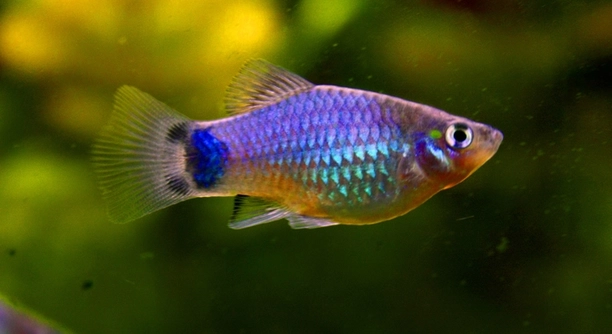
Is your platy acting differently, and you wonder if it might be feeling lonely? Platies are social fish that enjoy the company of their own kind. Knowing the signs of loneliness can help you create a happier environment for your pet.
A lonely platy often shows signs such as reduced activity, hiding more frequently, and a loss of interest in food or interaction. These behaviors indicate stress and discomfort, suggesting the fish may need companions or changes in its tank environment.
Recognizing these signs early can improve your platy’s well-being and help you maintain a balanced aquarium community.
Common Signs Your Platy Might Be Feeling Lonely
When a platy feels lonely, its behavior often changes noticeably. It may swim less and spend more time hiding in plants or decorations. A lonely platy might also show less interest in eating or exploring its tank. You might notice it staying still at the bottom or floating near the surface instead of actively swimming. These signs suggest the fish is not comfortable or happy in its environment. Lack of interaction can cause stress, which weakens the immune system and can lead to illness. Monitoring your platy’s behavior closely helps identify loneliness before it becomes serious. Adding more platies or other peaceful tank mates can encourage social activity and reduce stress. Maintaining good water quality and proper tank size also plays a role in your fish’s comfort. Small changes can make a big difference in your platy’s well-being and help it feel secure in its home.
Lonely behavior in platies often shows through inactivity and isolation from other fish. These are clear signs to act.
If you see your platy isolating itself or acting sluggish, increasing social interaction is essential. Adding at least two or three platies gives it company and reduces stress. Ensure the tank has hiding spots and open swimming areas to balance security and movement. Avoid overcrowding to keep water conditions stable. Regularly check water parameters, as poor water quality can worsen stress and mimic loneliness symptoms. Feeding a balanced diet also supports health and vitality. A healthy, social environment promotes natural behaviors like schooling and play. Over time, your platy should become more active and interactive. Observing these improvements confirms that your actions are helping your fish feel less lonely and more comfortable in its space.
How to Help Your Platy Feel Less Lonely
Introducing tank mates is one of the simplest ways to reduce loneliness in platies. Other peaceful species like guppies or mollies often coexist well. Social interaction encourages natural swimming patterns and reduces stress behaviors. Make sure the tank is large enough to support multiple fish comfortably. Adding plants and decorations can provide places to hide and feel safe, which also helps shy fish adjust. Keep the water clean by performing regular changes, as stress from poor water quality can cause behavior changes similar to loneliness. Observe your fish regularly to catch any signs of illness or continued stress. Providing a well-balanced diet will keep your platy healthy and energetic, making it more likely to engage with its tank mates. Consistency in care helps maintain a stable environment, allowing your platy to thrive socially and physically.
Tank Setup Tips to Reduce Loneliness
A well-organized tank helps your platy feel safe and less isolated. Adding plants and decorations creates hiding spots and breaks open space. This balance encourages natural movement and social behavior.
Plants like java moss or floating species provide cover and reduce stress. Hiding places help shy platies feel secure, which improves their confidence to swim and interact. Avoid overcrowding the tank, as too many fish can cause stress and poor water quality. A tank size of at least 20 gallons is ideal for a small group of platies. Proper filtration and regular water changes keep the environment stable. Light levels should mimic natural conditions, with some shaded areas. These small adjustments create a comfortable habitat where your platy can thrive both socially and physically.
Keeping the tank clean supports healthy social behavior. Uneaten food and waste can cause spikes in ammonia, harming your fish and increasing stress. Regular maintenance is key to preventing problems that can mimic or worsen loneliness.
Recognizing When to Add More Platies
Adding more platies is necessary when your fish shows repeated signs of loneliness despite environmental improvements. If your platy continues hiding or refusing to eat, it likely needs companions. Introducing at least two additional platies helps maintain social balance and encourages natural schooling behavior. Avoid adding too many at once to reduce stress and allow gradual adjustment. Monitor interactions to ensure no aggression occurs. A small group helps distribute social attention and reduces the chance of a single fish feeling isolated. This approach supports your platy’s mental and physical health, improving its quality of life in the tank.
Social Behavior to Watch For
Platies usually swim together and interact calmly. If one fish avoids others or hides often, loneliness might be the cause. Watch for changes in swimming patterns and social engagement.
Aggressive behavior is rare but can signal stress. Ensure tank mates are compatible to avoid conflicts. Monitoring these behaviors helps keep your platy happy.
Feeding and Interaction Routine
A consistent feeding schedule supports your platy’s health and social habits. Feeding at the same times each day encourages activity and interaction. Using high-quality flakes or pellets ensures balanced nutrition. Occasionally offering live or frozen foods adds variety and stimulates natural foraging behaviors. Social fish like platies benefit from watching others eat, so group feeding helps build interaction. Avoid overfeeding, as leftover food can pollute the tank and harm water quality. A good feeding routine strengthens your platy’s immune system and keeps it active, reducing signs of loneliness.
When to Consult a Specialist
If your platy’s behavior does not improve despite changes, consider consulting a fish care expert. They can help identify health issues or environmental problems.
FAQ
How can I tell if my platy is lonely or just sick?
Loneliness in platies usually shows as isolation, lack of movement, and reduced interaction with tank mates. Illness, however, often comes with physical signs like clamped fins, discoloration, or unusual spots. If your platy is hiding but still looks healthy and has no visible symptoms, loneliness is more likely. Observe its eating habits too; a sick fish often refuses food, while a lonely one may eat less out of stress but still shows interest over time. Monitoring behavior alongside physical health helps distinguish the two.
Can platies live alone, or do they need companions?
Platies are social fish and do best with companions. While they can survive alone, loneliness can cause stress and behavior changes. Keeping at least three platies together supports natural social habits like schooling and reduces anxiety. If space or tank size limits the number, adding peaceful tank mates can help, but platies generally thrive best in groups.
How many platies should I keep in one tank?
A good rule is three to six platies per 20-gallon tank. This number allows social interaction without overcrowding. More fish require larger tanks and stronger filtration to maintain water quality. Overcrowding can increase stress and aggression, so balance is key. If you want to keep other species with your platies, adjust the number accordingly to maintain space and comfort for all fish.
What tank conditions help prevent loneliness?
A well-maintained tank with stable water parameters helps reduce stress and loneliness. Provide hiding places like plants and decorations so shy fish feel safe. Keep water temperature between 72-78°F and maintain pH around 7.0 to 8.0 for ideal platy health. Regular water changes and proper filtration keep the environment clean. Lighting should mimic natural cycles with periods of light and darkness. These conditions encourage natural behavior and help platies feel secure.
Will my platy be lonely if I leave the room often?
Platies do not form bonds with humans like mammals but do respond to movement and light changes in their environment. Leaving the room does not cause loneliness, but a lack of stimulation or interaction with other fish might. Ensuring your platy has companions and a stimulating environment is more important than human presence.
Can adding plants reduce loneliness in platies?
Yes, plants provide hiding spots and reduce stress by creating a natural environment. They break up open space and allow fish to feel secure while exploring. Plants also improve water quality by absorbing nitrates. Live plants encourage natural behaviors like grazing and play, helping platies stay active and socially engaged.
How quickly can platies recover from loneliness?
Recovery time varies but generally, platies begin showing improvement within a few days of having companions and a better environment. Increased swimming, feeding, and social interaction are good signs. Full adjustment may take weeks, especially if loneliness was severe. Patience and consistent care are important during this period.
Are there signs that a platy is too stressed from loneliness?
Yes. Stress signs include faded colors, clamped fins, rapid breathing, and erratic swimming. A stressed platy may also stop eating and hide constantly. Prolonged stress weakens their immune system, making them prone to illness. Acting quickly to improve social conditions can prevent lasting harm.
What other fish can live peacefully with platies?
Peaceful species like guppies, mollies, swordtails, and corydoras catfish often coexist well with platies. Avoid aggressive or fin-nipping fish that might stress your platy. Introducing new fish slowly and watching interactions helps ensure harmony.
How often should I check on my platy’s behavior?
Daily observation is best. Spending a few minutes each day watching your platy helps you notice any changes early. Regular monitoring allows quick action if loneliness or health issues arise, improving your fish’s chances of staying healthy and happy.
When caring for a platy, paying attention to its behavior is essential. Changes in how it swims, eats, or interacts with other fish can be signs of loneliness or stress. Creating an environment that encourages social activity helps prevent these problems. A proper tank setup, with enough space, plants, and hiding spots, supports your platy’s natural habits. Keeping water conditions stable and clean also plays a big role in your fish’s comfort and health. These basic steps make it easier for your platy to feel safe and content in its home.
Adding companions is often necessary for platies, as they are social fish that thrive with others of their kind. A group of at least three platies is ideal to promote natural swimming and interaction. Introducing peaceful tank mates can also improve social dynamics. Watching your fish regularly helps you understand what it needs and when adjustments are required. A good feeding routine with varied food supports your platy’s health and keeps it active. Paying close attention to your platy’s needs ensures it stays happy and less likely to suffer from loneliness.
If your platy’s behavior does not improve with changes to the tank or social environment, consulting a fish care expert may be helpful. Sometimes health problems or other issues can cause behavior similar to loneliness. Early action helps prevent long-term harm and keeps your platy thriving. Taking care of your platy means combining proper tank conditions, social interaction, and attentive observation. This balanced care provides the best chance for your platy to live a healthy, active life in your aquarium.

Hello,
If you enjoy the content that we create, please consider saying a "Thank You!" by leaving a tip.
Every little bit helps us continue crafting quality advice that supports the health, happiness, and well-being of pets around the world, for pets of all shapes, sizes, and species.
We really appreciate the kindness and support that you show us!