
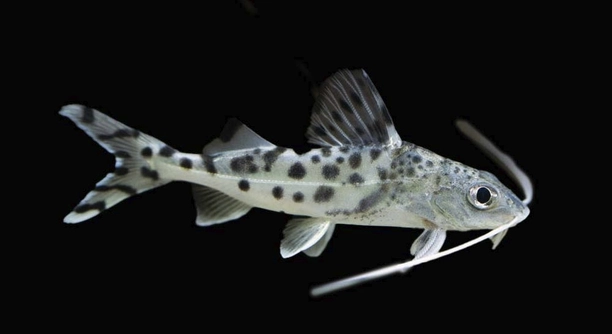
Is your pictus catfish chasing tank mates or acting strangely around certain areas of the aquarium? These behaviors may signal something more than just regular swimming habits in your freshwater setup.
Pictus catfish can become territorial, especially in confined or overcrowded environments. Signs include aggressive chasing, frequent hiding, and guarding specific spots in the tank. These behaviors often emerge when space, shelter, or compatibility with other fish becomes an issue.
Understanding these behaviors can help you create a more peaceful tank and prevent stress or injury among your fish.
Common Signs of Territorial Behavior
Pictus catfish are generally active and peaceful, but they can display territorial traits in specific situations. You might notice them chasing other fish away from a favored cave, plant, or corner of the tank. Sometimes they swim erratically or become more aggressive during feeding. These behaviors often appear when there isn’t enough space, when tank mates are too slow or small, or when hiding spots are limited. Some fish even become more territorial as they mature. It’s important to pay attention to these signs early, as stress or injury to other fish can quickly follow. Monitoring how your pictus interacts with its environment and tank mates can help you recognize patterns. If certain behaviors only show up at specific times, such as during feeding or after lights out, this could also indicate protective or defensive instincts related to territory.
Territorial behaviors are usually more frequent in smaller tanks or when hiding spaces are limited, making space and layout essential.
Understanding what triggers these actions allows you to make changes before aggression becomes a problem. Noticing the early signs will help keep your pictus and the rest of your tank healthy and calm.
Causes Behind the Aggression
Tank size and layout are two of the most common reasons behind territorial behavior in pictus catfish.
Pictus catfish need enough space to explore without feeling threatened or crowded. A tank that’s too small can lead to increased stress and aggressive behavior, especially if there are too many other fish or limited places to hide. This species also prefers subdued lighting and structures like rocks, caves, and plants where they can feel secure. If these needs aren’t met, the fish may start to guard areas aggressively, trying to claim what little space they have. Compatibility is another issue. Pictus catfish do best with other fast-moving, similarly sized fish. Slower or smaller tank mates may trigger defensive behavior. Water quality also matters—poor conditions can make the fish irritable and more prone to guarding their space. It’s not just about aggression; it’s about survival in a stressful environment. Meeting their basic needs reduces the chances of territorial behavior becoming a persistent problem.
How to Respond to Territorial Behavior
Start by checking the tank size and setup. Pictus catfish need room to swim and claim space without constant competition. Cramped tanks make these fish feel threatened, leading to defensive or aggressive actions toward their tank mates.
If your tank is under 55 gallons, upgrading to a larger size can help reduce stress and minimize territorial behavior. Rearranging the tank layout can also reset boundaries. Add rocks, plants, or driftwood to create more hiding spots and reduce visual lines of sight. This helps spread out territory and limits direct confrontations. Avoid pairing them with slow or long-finned fish that may become targets. Instead, choose fast-moving species that can coexist more peacefully. Regular water changes and a consistent feeding schedule also help. Keeping them well-fed and in clean water makes them less likely to lash out. Every change you make should support a balanced, calm tank environment.
Some fish show improvement right away, while others take time to adjust. Be patient and observe their behavior daily. Avoid making too many changes at once, as this can confuse or further stress the fish. Watch how they interact after each adjustment and continue fine-tuning the setup to reduce tension in the tank.
When Separation May Be Necessary
Sometimes, territorial behavior doesn’t improve even after making several changes. In these cases, separating the fish may be the best option to prevent harm. It isn’t always permanent but can give your fish time to relax and reset.
If your pictus catfish continues to chase or injure others, use a tank divider or move the fish to a different aquarium. This stops the conflict and allows both the aggressive and targeted fish to recover. Always use a cycled tank when separating fish to avoid added stress. Monitor both tanks to ensure each fish is eating, swimming normally, and not showing signs of illness or injury. After a few weeks, you can test reintroducing them—only if the tank has enough space and hiding spots. If the behavior continues, long-term separation may be necessary. While it may take extra effort, keeping each fish safe and stress-free is always worth the time.
Choosing the Right Tank Mates
Fast-swimming, peaceful fish like larger tetras, danios, or barbs usually do well with pictus catfish. These species can keep up with their pace and avoid conflict. Avoid pairing them with slow or long-finned fish that might trigger territorial behavior.
Bottom-dwellers that compete for the same hiding spaces, like loaches or plecos, can sometimes create tension. It’s best to limit the number of fish using the same area of the tank. Aim for balance by mixing species that occupy different zones in the tank to reduce the chance of disputes.
Creating a Balanced Tank Setup
A peaceful environment starts with the right tank size—at least 55 gallons. Add plenty of hiding spots using caves, plants, or driftwood. This breaks up lines of sight and helps prevent one fish from controlling too much space. Use soft lighting and keep noise and vibration around the tank low. Stick to a routine for feeding and cleaning. Consistency helps your fish feel safe and lowers stress. Arrange the decorations in a way that splits the tank into clear sections. This encourages fish to settle in different zones instead of fighting over one area.
Monitoring Behavior Over Time
Keep a daily eye on how your pictus interacts with other fish. Look for chasing, nipping, or guarding one spot too often. Changes in behavior can signal stress or rising tension.
FAQ
Can pictus catfish live alone or do they need companions?
Pictus catfish are naturally schooling fish, but in captivity, they can live alone if needed. However, they tend to be more active and less stressed when kept in small groups of three or more. Keeping them alone can sometimes make them shy or less visible during the day. If you decide to keep just one, make sure the tank is enriched with plants and hiding spots to help it feel secure. Grouping them can reduce territorial behavior, as aggression tends to spread out rather than focus on one area or tank mate.
How big should the tank be for a single pictus catfish?
A single pictus catfish needs at least a 55-gallon tank. These fish are fast swimmers and need plenty of space to move around comfortably. Anything smaller can lead to stress, territorial behavior, and potential aggression toward other fish. Even when housed alone, pictus catfish benefit from extra room, both for swimming and for having places to rest or hide. Adding plants, caves, or tunnels can help them feel more at ease. If you plan to keep a group, you’ll need an even larger tank—closer to 75 gallons or more.
What types of fish should you avoid placing with a pictus catfish?
Avoid placing slow-moving or long-finned fish, like angelfish or guppies, in the same tank. Pictus catfish are active swimmers and may become aggressive or territorial toward fish that can’t move quickly or that stay near the bottom too often. Also avoid very small species, as they may be mistaken for food. Tank mates should be similarly sized and able to hold their own in a moderately active aquarium. Keeping incompatible fish together can lead to constant stress, injury, or even death. It’s best to research each species before introducing them to the tank.
Can pictus catfish be aggressive during feeding time?
Yes, pictus catfish can become more aggressive during feeding, especially in a crowded tank or when food is limited. They are fast and competitive eaters. If they feel they need to fight for food, they might chase or nip at other fish. Spreading food across different areas of the tank and using sinking pellets can reduce this behavior. Feed them regularly at the same time each day to create routine. When everyone gets enough food, it lowers stress and cuts down on aggressive outbursts.
Do pictus catfish prefer light or dark environments?
Pictus catfish prefer low-light conditions. In bright tanks, they often hide during the day and only come out when the lights are off. Using soft or dim lighting helps them feel safe and more likely to explore. Adding floating plants can also reduce the light that reaches the bottom of the tank. A darker setup mimics their natural habitat and reduces stress. This often leads to better behavior, more visible activity, and a calmer tank overall.
Is it normal for pictus catfish to chase other fish at night?
Yes, pictus catfish are more active at night and may chase other fish during these hours. This is when they explore, scavenge, and claim space. If their chasing becomes aggressive or persistent, it may be a sign of overcrowding or territorial stress. Adding more hiding spots and giving each fish enough room can reduce this. Observe how the tank behaves after dark to catch issues early.
Can territorial behavior be permanent in some pictus catfish?
In some cases, yes. If a fish has claimed a spot or developed aggressive patterns over time, it may not fully stop, even with changes. Some fish have stronger personalities and are naturally more dominant. If the behavior leads to injuries or constant stress, separation may be the only long-term solution. Still, in many cases, adjustments to tank size, layout, or tank mates can reduce or manage territorial actions. Keeping their environment calm, stable, and spacious often helps a lot.
How can I tell if my pictus catfish is stressed?
Look for signs like rapid breathing, hiding all the time, sudden aggression, or refusal to eat. A stressed fish may also show faded colors or dart around the tank erratically. Watch for any changes in routine. Stress can lead to illness, so addressing it early matters. Keep water parameters steady and avoid sudden changes in temperature, lighting, or tank mates. A peaceful tank setup and consistent care make a big difference in keeping your pictus catfish healthy and calm.
Final Thoughts
Territorial behavior in pictus catfish is not uncommon, especially in tanks that are too small or lack proper layout. These fish are naturally active and need space to swim and hide. When their environment feels crowded or stressful, they may start guarding certain areas or chasing other fish away. This behavior is usually a response to their surroundings, not a sign that they are aggressive by nature. Many of these issues can be prevented or improved with thoughtful tank setup, enough space, and the right mix of tank mates. Paying attention to early signs helps prevent problems before they become serious.
Giving your pictus catfish the right care means more than just clean water and food. It means setting up a tank that matches their natural needs. Use hiding spots, low lighting, and enough open space for swimming. Avoid adding fish that are too small, slow, or that stay near the bottom. These combinations can lead to stress or conflict. Monitor your tank after every change and watch how the fish interact, especially at night. If something seems off, small adjustments like moving decorations or separating aggressive fish can help calm things down.
Keeping pictus catfish healthy and peaceful takes a bit of planning and regular care. Every tank is different, so it’s important to watch your own fish and respond to their behavior. What works for one setup might not work for another. The goal is to create a stable, comfortable environment where all your fish can thrive. When pictus catfish feel safe, they are active, playful, and enjoyable to watch. With the right tank size, layout, and fish combination, you can reduce stress and help them live peacefully. In the end, a calm tank leads to healthier fish and a more rewarding experience for you.

Hello,
If you enjoy the content that we create, please consider saying a "Thank You!" by leaving a tip.
Every little bit helps us continue crafting quality advice that supports the health, happiness, and well-being of pets around the world, for pets of all shapes, sizes, and species.
We really appreciate the kindness and support that you show us!