
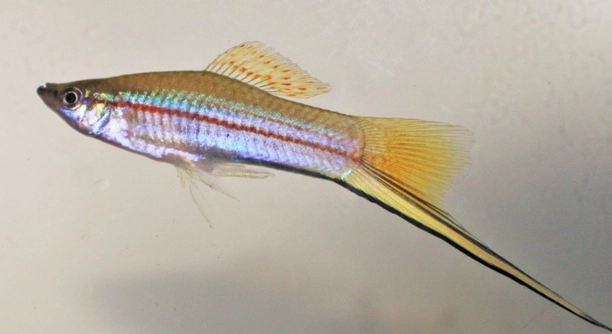
Swordtails are popular freshwater fish that are often kept in aquariums. If you have a group of them, understanding how to tell if they are getting along can help ensure a peaceful tank environment. Observing their behavior can provide valuable insights.
Swordtails typically show signs of harmony through relaxed body language and minimal chasing. When stressed or aggressive, they may display erratic swimming patterns, fin nipping, or hiding. Ensuring that their tank is spacious and well-maintained promotes a stress-free environment.
Recognizing these behaviors will help you create a more enjoyable and peaceful home for your swordtails. Proper care and attention to their needs are essential for their well-being.
Understanding Swordtail Behavior
Swordtails, like most fish, communicate through their movements and actions. When they are getting along, they often swim peacefully in pairs or small groups, with no signs of aggression. On the other hand, if there is tension, the situation may escalate into territorial disputes or dominance displays. These behaviors can be triggered by stress, overcrowding, or the presence of competing males. Male swordtails can be especially territorial, often engaging in chase patterns to assert dominance over others.
Keeping an eye on their interactions is key to ensuring a peaceful tank. You can also reduce stress by ensuring that there are plenty of hiding spots and visual barriers in the tank, like plants or decorations. By observing them closely, you can spot the subtle signs of distress or aggression before they become a problem. This will help prevent unnecessary harm to your swordtails.
Swordtails thrive in an environment where their social and physical needs are met. Proper tank size, water quality, and a varied diet are essential for promoting healthy relationships among them. If aggression becomes a concern, you might need to adjust the group size or introduce more hiding spaces to minimize competition. Swordtails are typically peaceful fish, but, like any species, they benefit from a stable environment.
Signs of Harmony vs. Tension
In a well-maintained aquarium, swordtails will display calm and relaxed behaviors. They’ll swim together in groups, with no aggressive movements. If you notice any fin nipping or erratic swimming, it’s a sign that something may be off.
When swordtails feel threatened, they will often exhibit signs of stress, such as hiding or darting away quickly when other fish approach. If there’s constant chasing or a change in their usual swimming patterns, it’s important to check for environmental factors that could be contributing to the issue. Ensure that the tank is not overcrowded, and that the water parameters—temperature, pH, and hardness—are suitable for the species. Male swordtails are particularly prone to territorial aggression, and their behavior can become aggressive toward other males or even females under certain conditions.
By adjusting the tank conditions and ensuring proper care, you can reduce the likelihood of tension and help create a harmonious space for your swordtails.
Managing Tank Size and Space
Swordtails need plenty of space to feel secure. In a cramped tank, stress can lead to territorial behavior, aggression, and health issues. The recommended tank size for a group of swordtails is at least 30 gallons, which gives them enough room to swim and establish territories without constant conflict.
Crowding can lead to frequent clashes between males, and even females can feel stressed. To avoid this, consider the number of swordtails in the tank and whether they have enough room to swim freely. Adding plants or decorations to break up line of sight can also help reduce tension. Swordtails are social, but they need a sense of security to prevent aggression.
To ensure a peaceful tank, observe the fish regularly to assess their comfort level. If they are constantly hiding or darting around, the tank may be too small or not arranged to provide enough hiding spots. A properly sized tank makes a big difference in the overall health and behavior of swordtails.
Water Quality and Temperature
Swordtails thrive in clean, well-maintained water. Poor water quality can cause stress, which leads to aggression or health problems. Regular water changes and proper filtration are essential to keeping your swordtails happy and healthy. Monitoring ammonia, nitrate, and nitrite levels will ensure that your tank remains safe for all inhabitants.
Maintaining the correct temperature is also vital for swordtail health. They prefer water between 72°F and 78°F. If the temperature fluctuates too much, it can stress them out and cause discomfort. Consistency is key to keeping swordtails at ease. When the water is too warm, swordtails can become lethargic or stressed, while cold water can lead to illness or aggression.
A stable water environment not only helps swordtails get along, but it also improves their overall well-being. Keep a regular maintenance routine to ensure that both the water quality and temperature are within the optimal range for swordtails.
Gender and Mating Behavior
Swordtails are livebearers, meaning they give birth to live young instead of laying eggs. Male swordtails often display aggressive behavior toward each other, especially during mating season. They chase and try to impress females with their sword-like tails.
In some cases, this behavior can escalate if there are too many males in the tank. When there are fewer females, males may become more aggressive toward each other, competing for attention. It’s important to have a proper male-to-female ratio to reduce stress and aggression.
Keeping a balanced ratio of males to females helps maintain peace. Having more females than males allows the females to avoid unwanted attention. Males, on the other hand, will focus less on fighting and more on attracting females.
Feeding and Diet
A balanced diet is essential for swordtails, as it helps reduce aggression. Swordtails are omnivores, meaning they eat both plant and animal matter. Providing a variety of food, like flakes, pellets, and live or frozen foods, ensures they get the necessary nutrients.
Overfeeding swordtails can lead to stress and uneaten food, which can cause water quality problems. On the other hand, underfeeding can lead to malnutrition and aggressive behavior as the fish compete for food. Keeping a consistent feeding schedule and offering a well-rounded diet helps swordtails stay healthy and peaceful.
Swordtails that are well-fed and properly nourished are less likely to display aggressive tendencies. Maintaining a proper feeding routine helps keep aggression in check, leading to a more relaxed and harmonious aquarium environment.
Tankmates
Choosing compatible tankmates is essential to prevent swordtail aggression. Some fish may compete for space or food, causing stress and territorial issues. Avoid keeping swordtails with overly aggressive species or those that may trigger stress.
Community-friendly fish, such as guppies or tetras, are good companions for swordtails. These species tend to stay out of the way and don’t provoke swordtails. It’s best to keep swordtails with other peaceful fish that won’t challenge their dominance.
Keeping swordtails with calm tankmates allows them to thrive and interact with minimal stress. This balance promotes a peaceful aquarium environment and reduces the likelihood of territorial behavior.
FAQ
How do I know if my swordtails are stressed?
Stress in swordtails can show up through behavior changes like excessive hiding, rapid swimming, or unusual aggression. They might also lose their appetite or appear lethargic. If their fins are clamped or their colors become dull, it’s a sign they’re stressed. Monitoring their environment, including water quality and tank size, can help reduce stress.
What can I do to reduce aggression among swordtails?
To reduce aggression, provide a tank with plenty of space and hiding spots. A well-planted tank or decorations can break the line of sight and give fish places to retreat. Ensuring a proper male-to-female ratio also helps, as too many males in one tank can cause constant competition.
How many swordtails should I keep in one tank?
Swordtails do best in groups of at least six, with more females than males. A group of six helps spread out the attention of the males and reduces aggressive behavior. If you have a smaller tank, you can adjust the number of swordtails to match the available space, but avoid overcrowding.
What size tank is best for swordtails?
A 30-gallon tank is the minimum recommended size for a group of swordtails. This provides enough space for swimming and allows them to establish territories without overcrowding. The larger the tank, the better, as it helps maintain water quality and gives fish more room to move around.
Do swordtails need a heater?
Yes, swordtails thrive in a consistent water temperature between 72°F and 78°F. A heater helps maintain this range, especially in colder environments. Without a heater, water temperature may fluctuate, which can stress the fish and lead to health issues or aggression.
Can swordtails live with other fish?
Swordtails are generally peaceful and can live with other community fish, but it’s important to choose compatible species. Avoid aggressive or overly territorial fish that might stress the swordtails. Good tankmates include other peaceful fish like guppies, tetras, or mollies. Keep in mind the size of the tank and ensure there’s enough space for all the fish.
How often should I change the water in a swordtail tank?
Water changes should be done regularly, typically once a week. Change 20-30% of the water to maintain proper water quality. If you have a heavily stocked tank or notice changes in water parameters (like ammonia or nitrite levels), you may need to change the water more frequently. Always use a water conditioner to remove chlorine or chloramine from tap water.
What should I feed swordtails?
Swordtails are omnivores and need a balanced diet that includes both plant and animal matter. Feed them high-quality flakes or pellets as a staple food, along with occasional live or frozen foods like brine shrimp, bloodworms, or daphnia. Offer vegetables like spinach or zucchini as a supplement to their diet.
Why are my swordtails chasing each other?
Chasing is a normal part of swordtail behavior, particularly among males during breeding season. Male swordtails often chase each other to establish dominance or compete for the attention of females. However, if chasing becomes aggressive or constant, it could indicate overcrowding or stress. Adding more hiding spots and adjusting the male-to-female ratio can help reduce this behavior.
Can swordtails live in cold water?
Swordtails prefer warmer water temperatures between 72°F and 78°F. They can survive in slightly cooler water, but prolonged exposure to temperatures below 68°F can stress them and make them more susceptible to disease. If your aquarium is kept in a colder environment, consider using a heater to maintain a stable temperature.
How do I prevent swordtail fry from being eaten?
Swordtails are livebearers, and their fry may be eaten by adult fish, including their parents. To protect the fry, use a breeding box or a separate tank for the baby swordtails. Adding plants or moss to the main tank can also provide hiding spots for the fry, where they can stay safe until they grow larger.
Do swordtails need to be in groups?
Swordtails are social fish and thrive in groups. Keeping a single swordtail can lead to stress, as they prefer the company of their own species. A group of six or more is ideal, and it’s important to have a good ratio of males to females to reduce aggressive behavior.
Why are my swordtails losing their color?
Faded or dull colors can be a sign of stress, poor water quality, or an unhealthy diet. If the water conditions are poor, swordtails may not show their usual vibrant colors. Ensure the water is clean, with proper filtration and temperature, and provide a well-rounded diet to help bring their colors back.
How can I tell if my swordtails are mating?
Mating behavior in swordtails is quite obvious. The males will chase the females and attempt to mate by positioning themselves beside the female’s body. The male’s sword-like tail is used to deposit sperm near the female’s vent. After mating, the female will eventually give birth to live young, which can be seen swimming soon after.
What are the best tank mates for swordtails?
Swordtails do well with other peaceful fish, such as guppies, tetras, or mollies. Avoid aggressive species like bettas or cichlids, as these can stress the swordtails or even harm them. It’s important to choose tankmates that won’t compete for the same food or space, ensuring a peaceful environment for everyone.
How long do swordtails live?
Swordtails typically live for about 3 to 5 years, although with proper care, they can live a bit longer. Their lifespan depends on water quality, diet, and overall tank conditions. Regular maintenance and keeping the tank stable will contribute to a longer, healthier life for your swordtails.
Why are my swordtails not eating?
Swordtails may refuse food for several reasons, including stress, poor water quality, or illness. If they’re not eating, check the tank conditions first. Ensure the water temperature is stable, the tank is clean, and the food is fresh. If they continue to refuse food, consider consulting an aquarium professional to rule out health issues.
Final Thoughts
Swordtails are lively and beautiful fish that can thrive in a well-maintained aquarium. They are generally peaceful but can show aggression if their environment isn’t right. By ensuring proper tank conditions, a balanced male-to-female ratio, and suitable tankmates, swordtails can live harmoniously and enjoy their space. Providing plenty of hiding spots, plants, and enough swimming area is essential for creating a stress-free environment. Swordtails, like all fish, thrive when they feel safe and comfortable in their habitat.
It’s important to monitor their behavior closely. Male swordtails can be more aggressive, especially when competing for attention from females. If you notice increased aggression, it might be helpful to add more females to the tank or increase the number of hiding spots. Overcrowding is another factor that can contribute to stress and conflict, so maintaining the right tank size for your swordtail group is essential. Ensuring that the water quality is good by performing regular water changes and maintaining proper filtration also helps keep aggression levels down.
In the end, swordtails can be a great addition to any community tank if their needs are met. Their active nature and striking colors can make them the centerpiece of an aquarium, but they require attention to detail to keep them healthy and happy. By paying attention to their tank setup, feeding habits, and social dynamics, swordtails can live long, peaceful lives. Their vibrant personalities can make watching them interact in your tank a truly enjoyable experience.

Hello,
If you enjoy the content that we create, please consider saying a "Thank You!" by leaving a tip.
Every little bit helps us continue crafting quality advice that supports the health, happiness, and well-being of pets around the world, for pets of all shapes, sizes, and species.
We really appreciate the kindness and support that you show us!