
Are your rosy barbs looking a bit off lately, and you’re not quite sure if they’re settling into their new home properly?
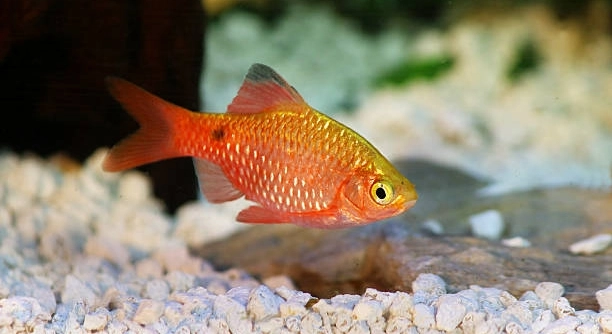
Rosy barbs that are adjusting well typically show vibrant colors, active swimming, healthy appetites, and minimal signs of stress such as clamped fins or hiding. Consistent behavior and interaction with tank mates also indicate good adaptation.
Understanding their habits and behavior will help you support their adjustment and catch any problems early before they become serious.
Signs Your Rosy Barbs Are Comfortable
Rosy barbs that feel at home tend to be bright in color, swim around often, and interact with other fish in the tank. You’ll see them exploring their space, darting around during feeding time, and showing curiosity without fear. Their fins should be open and relaxed, not clamped down or tucked. If they are constantly hiding behind decorations or plants, this might mean something isn’t right. Healthy rosy barbs also eat regularly and show no signs of bloating or lethargy. When they are thriving, their energy and movements are consistent. They will often school together or at least remain in close groups. It’s also common to see some light chasing, especially during breeding behavior. As long as there’s no injury or distress, this is completely normal. Watching them settle in can take a little time, but their behavior will tell you a lot about how they are feeling.
Consistent movement, regular eating, and bright coloring are strong signs your rosy barbs are adjusting well to their environment.
If your barbs are acting unusually quiet or not eating, it’s worth observing them more closely. Sudden changes can mean stress or a shift in water conditions. Knowing what’s normal makes it easier to spot problems early.
What to Do If Something Feels Off
Lack of color, clamped fins, or hiding all day can suggest that something is off in the tank environment.
Poor adjustment often relates to water quality or incompatible tank mates. Start by checking the water parameters—ammonia, nitrite, nitrate, pH, and temperature. Rosy barbs prefer clean water, a stable temperature around 74–79°F, and plenty of swimming space. If their tank is too small or crowded, they may become anxious. It’s also important to check for aggression. While generally peaceful, rosy barbs can become territorial in tight spaces or when stressed. Make sure the tank includes hiding spots, live plants, and room to move freely. If you notice one or two fish being targeted, rearranging the tank decorations can help break up territories. Gradually adjusting to these needs can make a big difference in their comfort. Changes should be made slowly to avoid further stress. Consistent care and a quiet environment will encourage them to settle back into a calm, active rhythm.
How Environment Impacts Behavior
Rosy barbs react strongly to their surroundings. Poor lighting, sudden noise, or crowded tanks can make them hide or act stressed. A calm, consistent setup with proper space helps them feel safe and more active throughout the day.
Lighting plays a big role in how your rosy barbs behave. Bright, direct light can stress them, while low, natural lighting makes them more comfortable. Use a steady light cycle—about 8 to 10 hours of light per day—to match their natural rhythm. Tank decorations like plants and rocks not only give them hiding places but also help reduce territorial tension. Avoid overdecorating, though, as they still need room to swim. Water movement matters too. A gentle filter flow is enough to keep oxygen levels stable without overwhelming them. Stability in every aspect of their tank—light, noise, and layout—goes a long way in keeping their behavior calm and natural.
Temperature changes can also affect how they act. If the tank gets too cold, they may slow down and stop eating. Sudden spikes can cause restlessness or gasping at the surface. Stick to the recommended range and use a reliable heater and thermometer to avoid these shifts. Keep the tank in a quiet spot, away from loud rooms or direct sunlight. Frequent tapping on the glass or nearby vibrations can also cause them to become skittish. A consistent environment allows them to adapt better and show their true personality. Calm swimming and regular eating are signs you’ve found the right setup for them.
Feeding Habits That Reflect Health
A healthy rosy barb will swim eagerly to the surface during feeding and eat without hesitation. If they show little interest in food or eat too fast and then spit it out, something could be wrong.
Feeding is one of the easiest ways to check how your rosy barbs are doing. Offer a variety of food—flakes, small pellets, frozen brine shrimp, or bloodworms—to support a balanced diet. If they ignore food, it might point to poor water quality, illness, or stress. Don’t overfeed, as this can pollute the tank and harm your fish. Stick to feeding them once or twice a day in small amounts that they can finish in a few minutes. Remove any leftovers to prevent waste buildup. Watch how they eat—healthy fish are eager but not frantic. Slow or picky eating can suggest a deeper issue. Paying attention during meals helps you catch problems early and keep your barbs thriving.
Tank Mates and Social Behavior
Rosy barbs are social fish that usually prefer to be in small groups. Keeping them in groups of at least five helps reduce stress and brings out more natural behavior, like schooling and playful swimming.
Aggressive or overly shy tank mates can upset their balance. Choose calm, similarly sized fish that won’t nip fins or compete too much during feeding time. Watching how they interact with others gives you clues about their comfort.
When to Adjust Tank Conditions
If your rosy barbs seem less active, check the tank’s temperature, pH, and ammonia levels first. Sudden changes or imbalances can make them uneasy or cause illness. Always use a water testing kit to stay on track. If they hide often or avoid eating, try adding plants or adjusting light exposure. Sometimes, simply rearranging decorations can reduce tension and help them feel more secure. Make small changes slowly to avoid shocking their system. Giving them time to adjust and keeping their routine stable can improve both their behavior and health. Keeping a close eye helps prevent bigger problems later.
Routine Observation Matters
Taking a few minutes each day to watch your rosy barbs can help catch signs of stress early. You’ll notice patterns in how they swim, eat, and interact, making it easier to spot when something feels off.
FAQ
How long does it take for rosy barbs to adjust to a new tank?
Most rosy barbs take about one to two weeks to fully adjust to a new tank. During this time, they may act shy, hide more often, or refuse food for the first few days. This is normal as they get used to the water parameters, lighting, and layout of their new home. You can help the process by keeping conditions stable, avoiding sudden changes, and making sure the tank is peaceful. Once they feel safe, you’ll notice more movement, regular feeding, and group swimming. Give them time, and don’t overcrowd the tank while they adjust.
What are signs of stress in rosy barbs?
Stressed rosy barbs may have faded colors, clamped fins, fast breathing, or may hide more than usual. Some will avoid eating, stay in one spot, or swim in jerky or frantic patterns. You might also notice them staying near the surface or bottom, especially if water quality is poor. A sudden change in behavior is a strong sign something may be off. It’s important to check water temperature, ammonia, nitrites, and pH first. If all looks good, consider noise, tank mates, or lighting. These small details can cause fish to feel unsettled even if the tank looks fine on the outside.
Can rosy barbs live alone?
Rosy barbs are schooling fish and should not be kept alone. A single rosy barb will often become stressed, shy, or aggressive. They do best in groups of at least five, which allows them to display natural behavior and feel secure. In groups, they swim together, explore the tank, and are generally more active. Without companions, one fish may spend most of its time hiding or swimming aimlessly. Loneliness in fish can also lead to poor eating habits and weakened health over time. If space is limited, consider downsizing the group slightly, but avoid isolating a rosy barb altogether.
Why are my rosy barbs chasing each other?
Chasing can be normal among rosy barbs, especially in groups. It often happens during feeding time, play, or light dominance behavior. Males may also chase females during breeding periods. As long as no one is getting hurt or constantly hiding, this behavior is not usually a concern. However, if one fish is always being targeted, it may be due to lack of space, stress, or imbalance in the group (like too many males). Rearranging the tank, adding more hiding spaces, or increasing the group size slightly can help spread out attention and calm the group dynamics.
What should I feed rosy barbs to keep them healthy?
Rosy barbs thrive on a varied diet. Flake food is fine for daily feeding, but it’s best to mix in some protein-rich options like frozen brine shrimp, daphnia, or bloodworms once or twice a week. You can also offer blanched vegetables like spinach or zucchini in small amounts. A mix of plant- and animal-based food keeps their colors bright and supports overall health. Feed them once or twice a day, only as much as they can finish in about two minutes. Avoid overfeeding—it can lead to water issues and make your barbs sluggish or prone to illness.
How often should I check water conditions in a rosy barb tank?
Check the water at least once a week using a reliable test kit. Key parameters to monitor are ammonia, nitrites, nitrates, pH, and temperature. If you’re adding new fish, making changes, or seeing odd behavior, test more often until everything stabilizes. Even a well-maintained tank can experience sudden changes, so weekly testing keeps you ahead of potential problems. Write down your test results to track trends over time. Stable water conditions make a big difference in how your rosy barbs adjust and thrive.
Do rosy barbs need a heater?
Yes, most tanks that house rosy barbs will benefit from a heater. These fish prefer temperatures between 74–79°F (23–26°C). If the room temperature is too low or fluctuates, a heater helps keep the water stable and avoids stressing your fish. Sudden drops in temperature can slow their metabolism, reduce activity, and weaken their immune systems. Use a thermometer to monitor the tank temperature daily. A steady, warm environment encourages active swimming and healthy feeding habits. Even if you live in a warm area, using a heater can prevent nighttime drops that your fish might otherwise react to.
Why are my rosy barbs hiding all the time?
If your rosy barbs are hiding frequently, it could be due to stress, poor water quality, or bullying from tank mates. New fish may hide more during their first few days while adjusting to the tank. Make sure the water parameters are within the right range and that there are enough hiding spots like plants or caves. If they’re being chased too often, consider reworking the tank layout or adjusting the group size. Some hiding is normal, but constant hiding is usually a sign they don’t feel secure. With some small changes, they often become more social and active.
Final Thoughts
Keeping rosy barbs happy and healthy is all about paying attention to their daily behavior and the environment around them. These fish are active, social, and responsive to their surroundings. When they are comfortable, they show bright colors, swim with energy, and eat well. If something changes in their behavior—like hiding more often, refusing food, or acting skittish—it’s usually a sign that something in the tank needs to be adjusted. Regular observation helps you learn what’s normal for your fish, making it easier to spot problems early. A calm, clean, and stable tank goes a long way in helping them thrive.
Rosy barbs do best in tanks that offer space, structure, and good water quality. They like being in small groups and need other fish around to feel secure. Feeding them a balanced diet and keeping the tank well-maintained are both simple but important steps. Testing the water weekly, watching for stress signs, and making small adjustments as needed can prevent a lot of common problems. Even small changes in lighting, temperature, or tank layout can make a big difference in how your fish behave. Creating a peaceful setup with the right companions and plenty of swimming space will keep them comfortable and active.
Caring for rosy barbs isn’t difficult once you know what to look for. They’re a great choice for both new and experienced fish keepers, as long as their basic needs are met. Their behavior is often the best clue about their health. Staying consistent with tank care, feeding, and observation will help them settle in and show their best colors. Over time, you’ll learn to notice small signs that let you know how they’re feeling. With the right setup and attention, rosy barbs can become some of the most rewarding fish to keep, offering constant movement, color, and interaction in your tank. Their natural energy and social habits make them a lively addition to any peaceful community aquarium.

Hello,
If you enjoy the content that we create, please consider saying a "Thank You!" by leaving a tip.
Every little bit helps us continue crafting quality advice that supports the health, happiness, and well-being of pets around the world, for pets of all shapes, sizes, and species.
We really appreciate the kindness and support that you show us!