
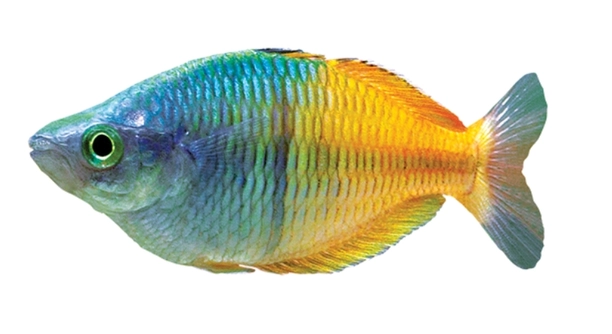
Have you ever spent time watching your rainbow fish swim around, only to feel unsure if they’re being playful or aggressive?
Rainbow fish may be fighting if they show signs like torn fins, constant chasing, or sudden changes in swimming behavior. These actions usually point to stress, territory disputes, or overcrowding in the tank.
Understanding these signals will help you better manage your fish tank and keep your rainbow fish healthy and stress-free.
Signs Your Rainbow Fish Are Fighting
When rainbow fish fight, their behavior becomes easy to spot once you know what to look for. You might see one fish constantly chasing another around the tank. This can be more than playful swimming. If it happens repeatedly, especially when the other fish looks stressed or tries to hide, it’s likely aggression. Another clear sign is fin damage—torn or ragged fins are not normal and often mean one fish is nipping at the others. Aggressive fish may also become more territorial, claiming a certain spot in the tank and pushing others away from it. Sometimes, you’ll even notice changes in color. Brighter or more intense colors can be a sign of dominance or aggression in rainbow fish, especially males. Keep an eye on feeding times too. If one fish is blocking the others from getting food, that’s a warning sign. These changes usually happen slowly, so it’s good to observe often.
Look for sudden darting, hiding, or one fish staying in a corner. These can be small but clear signs of trouble.
The sooner you spot this behavior, the easier it is to stop things before they get worse. Changing the tank layout or adjusting the group size may help calm things down.
Why Fighting Happens in Rainbow Fish
Fighting usually starts because of stress, overcrowding, or problems with tank setup. Rainbow fish like space and structure. If there aren’t enough hiding places or the group size is too small, they may begin to act out.
A common reason rainbow fish get aggressive is a lack of space. Even though they are active swimmers, they still need room to spread out and form a peaceful group. A tank that’s too small can lead to tension. Another issue is having too few fish. Rainbow fish are schooling fish, and small groups can make them feel insecure. This may cause one fish to pick on another. Males can also become more aggressive if there are too many of them and not enough females. Tank decorations matter too. Without plants or objects to block line of sight, it’s easier for aggressive fish to spot and chase others. Also, watch for environmental stress like dirty water, loud noise, or bright lights. These things can make rainbow fish feel unsafe, leading to more aggression. Keeping the tank stable and comfortable will go a long way in keeping your fish calm.
How to Stop Rainbow Fish From Fighting
Start by checking if your tank is big enough. Rainbow fish need space to swim and room to escape from each other when needed. A small tank often causes stress, which leads to fighting.
Try rearranging the tank decorations to break up sightlines. Adding plants, rocks, or driftwood can give weaker fish places to hide and help reduce aggression. It’s also helpful to increase the number of rainbow fish in your tank. Oddly enough, having more of them—ideally in a proper school of six or more—can spread out any bullying and make each fish feel safer. Avoid putting too many males together, especially if there aren’t enough females. Feeding them at separate spots in the tank can also cut down on tension during mealtime. These small changes make a big difference and can stop ongoing fights.
Keeping your water clean and conditions stable is key. Poor water quality causes stress, which can lead to aggressive behavior. Check your filter and do regular water changes. Keep an eye on temperature, pH levels, and lighting. Make sure you are feeding them a balanced diet at the same time each day to build routine and reduce mealtime tension. A calm, steady environment helps your rainbow fish relax and get along.
When to Separate Your Rainbow Fish
If one fish is constantly hiding, has torn fins, or is not eating, it may be time to separate them. Leaving a stressed fish in the same tank for too long can lead to injury or illness.
Move the aggressive fish or the injured one into a temporary tank if things don’t improve after making changes. Use a divider or a separate container within the same tank if you don’t have a second setup. Sometimes, aggressive behavior comes from one fish, and removing them brings back peace. Be sure the isolated fish still gets proper care—food, clean water, and space. After a week or two, you can try reintroducing it slowly. If aggression returns, it may need to stay separated. Some fish just don’t get along, no matter what changes you make. Having a backup plan ready helps keep your tank peaceful and your fish safe.
Common Mistakes That Make Fighting Worse
Adding new fish too quickly can upset the balance in your tank. Rainbow fish notice sudden changes and may respond with aggression. Always introduce new fish slowly and give them time to adjust without overwhelming the group.
Ignoring warning signs like torn fins or constant chasing allows fights to get worse. These small signs often lead to bigger problems if not handled early. Watch your fish daily and act quickly when something feels off.
Can Rainbow Fish Live Peacefully Together?
Yes, rainbow fish can live peacefully when the tank is set up correctly. They do best in groups of six or more, especially when there’s enough space for swimming. Spread out decorations to create hiding spots and block line of sight, which helps reduce tension. Balanced male-to-female ratios also matter—having too many males can lead to competition. Keep the water clean and stable, and feed them at regular times. If they have what they need, rainbow fish often become calm, active, and colorful swimmers. A little care goes a long way in helping them get along with each other.
When to Ask for Help
If nothing you try stops the aggression, talk to a vet or a fish care expert. They can help you figure out if there’s a deeper issue causing the fighting.
FAQ
Can rainbow fish hurt each other when they fight?
Yes, they can. Fighting rainbow fish may nip fins, bump into each other, or cause one another to get stressed and sick. Torn fins, missing scales, or slow movement are signs of injury. These wounds can become infected if not treated. Sometimes the damage is more emotional than physical—stress alone can make a fish stop eating or hide all the time. If fights keep happening, it’s important to separate the fish or change the tank setup. Helping them calm down early can stop serious harm and improve their health long-term.
Do all rainbow fish fight with each other?
Not always. Rainbow fish can be peaceful, especially when kept in the right conditions. They like being in schools, and having the right number of fish usually helps lower stress. Fighting usually happens when something is off—like too many males, too few hiding places, or a tank that’s too small. Some species may be more territorial than others, and individual fish can have different personalities. So while they don’t all fight, it’s common enough that you should watch for signs and be ready to make changes if needed.
How can I tell if it’s fighting or just playing?
Chasing that happens once or twice and stops is usually normal. Rainbow fish can be energetic and playful. But when one fish keeps chasing another over and over, especially if the other fish looks scared or hides, it’s likely fighting. Look for fin damage, stressed colors, or changes in eating habits. These are signs something more serious is happening. Playful behavior tends to be short and harmless. Aggressive behavior is repeated, intense, and causes stress or injury. Watching closely can help you learn the difference over time.
Is it okay to keep just two rainbow fish?
Keeping only two rainbow fish is not ideal. These fish are schooling species, and they feel more secure in larger groups. When there are only two, one might dominate the other, causing stress or aggression. A group of six or more helps spread out interactions and reduces the chances of one fish getting bullied. Larger groups also help them show more natural and calm behavior. If you only have room for two, consider a different type of fish that does better in pairs.
Will adding decorations really help stop fighting?
Yes, it often helps. Decorations break up the space in your tank and give weaker fish a chance to rest and hide. When fish can’t see each other all the time, it reduces chasing and stress. Plants, rocks, driftwood, and caves work well. Even something simple like moving an object to block a direct line of sight can make a difference. It’s not a fix for every situation, but it’s one of the easiest and most effective ways to make your tank feel more peaceful.
Can I keep rainbow fish with other types of fish?
Yes, but it depends on the other fish. Rainbow fish do well with peaceful, similar-sized tank mates. Avoid fish that nip fins or are very aggressive. Also avoid species that are too slow or too small, as they may be chased or outcompeted for food. Good tank mates include tetras, rasboras, or peaceful bottom dwellers like corydoras. Make sure the tank is big enough for everyone and that they all like the same water conditions. Watch closely after adding new fish to make sure everyone is getting along.
What should I do if my rainbow fish keeps hiding?
Frequent hiding is a sign of stress. The fish might be getting bullied or feel unsafe in the tank. First, check for torn fins or missing scales. Then, look at your tank layout—is there enough cover or are some fish guarding certain areas? If one fish is acting aggressive, it might be time to separate them. Also check water quality. Poor conditions can make fish feel weak and stressed, leading them to hide. Once you fix the problem, they usually start to swim around again and become more active.
Do rainbow fish calm down as they age?
Sometimes. Young rainbow fish can be more active and even a little pushy. As they mature, they may become calmer, especially if the tank setup supports peaceful behavior. But aggression won’t always stop with age—especially if the tank is too small, overcrowded, or has too many males. Even older fish will show territorial behavior if conditions aren’t right. So while age can help, it’s more important to focus on space, group size, and tank layout to reduce fighting.
Final Thoughts
Keeping rainbow fish can be a rewarding experience when their needs are met. These colorful and active fish are known for their schooling behavior and peaceful nature when housed properly. But like many fish, they can become aggressive if the tank is too small, crowded, or unbalanced. Watching their behavior closely and learning to spot early signs of stress or fighting can help prevent bigger issues. Small actions, like rearranging decorations or checking water quality, often make a big difference. Even though aggression may seem sudden, it usually builds over time due to stress, territory issues, or poor tank conditions.
Most rainbow fish get along well in a stable environment with enough space, the right group size, and proper tank mates. Fights between them are not always a reason to panic, but they do need attention. It helps to observe your fish daily and look for patterns in their behavior. A fish that chases too often, or one that hides all the time, is trying to tell you something. Making small changes like adding hiding spots, spreading out feeding areas, or adjusting how many males and females you keep can help reduce problems. Sometimes, one fish may need to be moved, but this isn’t always the case. In many situations, the tank setup is the main issue.
Taking care of rainbow fish means more than just feeding them and keeping the tank clean. It’s about paying attention to how they act, how they interact with each other, and how they respond to changes. They may not make sounds or show emotions the way people do, but their actions speak clearly. A peaceful tank is full of fish that swim actively, eat well, and show healthy colors. Fighting, hiding, and damaged fins are signs that something needs to change. With regular care and thoughtful adjustments, rainbow fish can thrive together and become a bright, beautiful part of your home. Keeping their environment calm and balanced is the best way to support their health and behavior.

Hello,
If you enjoy the content that we create, please consider saying a "Thank You!" by leaving a tip.
Every little bit helps us continue crafting quality advice that supports the health, happiness, and well-being of pets around the world, for pets of all shapes, sizes, and species.
We really appreciate the kindness and support that you show us!