
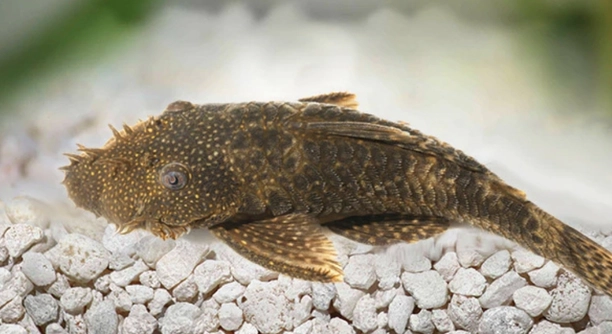
Are your plecos cohabiting with tankmates, but you’re unsure if they get along? Understanding their behavior and preferences can help ensure a peaceful environment for everyone. It’s important to observe their interactions closely.
Plecos generally prefer tankmates that do not pose a threat or compete for food. Their temperament can vary depending on species, but they tend to tolerate calm, non-aggressive fish. Understanding their interactions with tankmates helps in creating a harmonious aquarium.
By recognizing subtle signs, you can foster a comfortable environment for your plecos and their companions. Let’s explore the different factors influencing their behavior toward tankmates and what to look out for.
Tank Size and Space Matters
The size of your tank plays a big role in how well plecos get along with their tankmates. A cramped tank leads to stress and potential aggression. When plecos feel crowded, they are more likely to become territorial. A larger tank provides each fish with enough space to establish their own area. This helps reduce conflict between tankmates and keeps plecos calm.
For plecos, a 30-gallon tank or larger is often ideal, especially if you plan on having multiple fish species. Adequate space allows for natural behaviors and reduces the chances of territorial disputes.
Plecos are bottom dwellers, and they need plenty of room to move around. They also enjoy hiding, so be sure to provide caves or driftwood for them. Tankmates that respect their space, such as peaceful fish, will also do better in this environment. Avoid overcrowding to keep stress levels down and ensure everyone has enough room.
Tankmates’ Temperament
Not all fish will be suitable for plecos. Aggressive or overly active species can disturb plecos and cause them to retreat or act defensively. It’s best to choose calm, slow-moving fish that won’t disturb the pleco’s space.
Fish like tetras, angelfish, and peaceful barbs are commonly paired with plecos. These species won’t invade the pleco’s space or compete with them for food. If tankmates are aggressive or too active, the pleco may retreat to hiding spots. This can prevent the pleco from feeding properly or enjoying its environment. Ensuring your tankmates are calm and not overly dominant is crucial for your pleco’s well-being.
Feeding Habits and Competition
Plecos are bottom feeders, and they often scavenge for leftover food. If tankmates are aggressive during feeding times, it can cause stress for plecos. They might not get enough food or feel threatened. Avoid overfeeding, but make sure everyone has enough to eat.
When there’s competition for food, plecos might struggle to find their share, especially if more dominant fish are present. Offering sinking pellets designed for plecos or hiding food in different tank areas can help ensure they get their meals. A peaceful feeding routine can reduce aggression among all fish.
Feeding time can be a point of tension in community tanks. To prevent this, scatter food throughout the tank so that plecos can feed in quieter corners without interruption. If you notice any aggressive behavior during feeding, try feeding plecos separately to give them more time to eat. Plecos generally do well when they have easy access to food without feeling rushed or intimidated by other fish.
Water Conditions and Tank Environment
The water quality and environment affect how plecos interact with tankmates. Plecos need stable, clean water to stay healthy. Poor water conditions can increase stress and aggression among fish, including plecos. Regular water changes and good filtration are essential.
Plecos are sensitive to sudden changes in temperature or pH, which can make them more likely to show aggression toward their tankmates. Keeping the water clean and stable helps reduce stress levels and ensures everyone in the tank is comfortable. Adding plants, rocks, and driftwood can also create natural hiding spots for plecos, allowing them to retreat when they feel threatened. This promotes a calmer environment for both the plecos and their tankmates.
Pleco Species and Behavior
Different species of plecos have different personalities. Some are more social, while others are solitary and territorial. Knowing the specific needs of the species in your tank helps to understand how they will interact with tankmates. This can prevent issues from arising.
For example, the common pleco is more tolerant of tankmates, while others, like the bristlenose pleco, can be more territorial. By researching the species you have, you can better gauge whether they will coexist peacefully or require more space and separate areas. Understanding their behavior can prevent unnecessary conflict in the tank.
Fish Size and Compatibility
Larger fish may unintentionally harm smaller plecos due to their size. Even if the larger fish aren’t aggressive, their size can intimidate plecos or cause accidental damage. When selecting tankmates, ensure that the sizes of your fish are compatible.
If tankmates are too large, they might crowd the pleco or unintentionally disturb them. On the other hand, very small fish might get bullied or eaten. Choosing fish of similar size ranges ensures plecos and their companions can interact without fear or harm. This consideration helps maintain a balanced ecosystem in your aquarium.
FAQ
Do plecos get along with other fish?
Plecos generally get along with peaceful tankmates, especially those that don’t compete for food or territory. They are bottom dwellers, so they don’t usually interact much with fish that swim higher up in the tank. However, they may become territorial with other bottom dwellers or aggressive fish. It’s important to choose tankmates that won’t intimidate or bully them, like calm tetras or guppies. When selecting tankmates, look for fish with similar temperaments and avoid aggressive species that could provoke the pleco.
Can plecos live with aggressive fish?
Plecos are usually not suited to live with aggressive fish. They are generally peaceful and prefer to stay in the background, which can make them targets for more dominant fish. Aggressive species like cichlids or certain types of barbs might harass or harm plecos, especially if the pleco is smaller. If you plan to keep aggressive species, ensure your pleco has enough hiding spots to escape from the more dominant fish. Consider choosing more docile pleco species, like bristlenose plecos, that are less likely to engage in territorial disputes.
What fish are best for plecos?
Plecos do best with peaceful fish that won’t invade their space or compete aggressively for food. Species such as tetras, guppies, mollies, and angelfish are generally good companions. Avoid pairing plecos with overly active or aggressive fish like large predatory species or territorial types. Also, opt for tankmates that swim in different areas of the tank so that the pleco has its own space at the bottom. A good balance of fish will ensure your pleco is happy and not stressed by too much competition.
Do plecos need tankmates?
Plecos don’t necessarily need tankmates to thrive, especially if the environment provides enough space and hiding spots. Some plecos, like the bristlenose pleco, are perfectly fine on their own. However, having peaceful tankmates can provide some stimulation and reduce stress. If you choose to keep them with other fish, make sure the tank is large enough to give everyone their own space. Keep in mind that plecos are solitary creatures by nature, so don’t overcrowd the tank, which could lead to stress or territorial disputes.
Can plecos live with bettas?
Bettas are known for their aggressive nature, particularly males, and they can be problematic tankmates for plecos. While plecos themselves are generally peaceful, they are still vulnerable to the betta’s aggression, especially when it comes to competing for space and food. A betta might harass a pleco, especially if it feels threatened or territorial. If you want to keep them together, ensure there’s enough space, hiding spots, and separate areas in the tank. Keep in mind that bettas may not tolerate the pleco’s presence in the same tank.
How can I tell if my pleco is stressed?
A stressed pleco may exhibit behaviors like hiding more often, not eating, or swimming aimlessly. It may also develop signs of illness, such as cloudy eyes, fin damage, or a loss of color. Stress in plecos can come from poor water quality, incompatible tankmates, overcrowding, or improper temperature. To reduce stress, ensure your pleco’s environment is clean, stable, and calm. Provide plenty of hiding spots, especially in a tank with other fish, to give your pleco a safe space. A stressed pleco will often retreat to its hiding place and avoid socializing with other fish.
Do plecos eat other fish?
Generally, plecos do not eat other fish. They are herbivores and bottom feeders, eating algae, plant matter, and leftover food. However, plecos may nibble on smaller tankmates in certain circumstances, particularly if they are dead or dying. It is important to ensure that all fish are healthy and adequately fed to prevent the pleco from scavenging on living fish. In most cases, plecos won’t pose a threat to other fish, but be cautious if you have very small or weak tankmates.
How can I ensure my pleco gets enough food in a community tank?
In a community tank, it can be difficult to ensure your pleco gets enough food without competition. To make sure your pleco is properly fed, consider adding sinking pellets or algae wafers that will reach the bottom of the tank. Feeding plecos at night, when other fish are less active, can also help ensure they get their fair share. You can also add fresh vegetables like zucchini or cucumber to supplement their diet. Make sure food is spread out throughout the tank so your pleco can feed without competition from faster swimmers.
Can plecos live with shrimp?
Plecos and shrimp can sometimes live together peacefully, but it depends on the species of pleco and shrimp. Smaller shrimp, like cherry shrimp, may become targets for plecos, especially larger ones, as plecos might nibble on them. Some plecos, like the bristlenose pleco, are less likely to bother shrimp compared to larger species like the common pleco. If you want to keep shrimp with plecos, it’s important to choose shrimp that are large enough to avoid being eaten and to provide plenty of hiding spots for them.
What tank size do plecos need to live with other fish?
The minimum tank size for a pleco living with other fish is usually 30 gallons, but larger tanks are always better. Plecos need plenty of space to move around and establish their own territory. A larger tank helps reduce stress and ensures there is enough room for all fish to thrive. In addition to space for the pleco, consider the space needs of your other tankmates. A well-sized tank will also allow for the addition of plants, hiding spots, and other features that contribute to a more harmonious environment.
Are plecos territorial with other fish?
Plecos can be territorial, especially with other bottom dwellers or fish that invade their space. While they are generally peaceful, plecos like to have their own space to hide and graze. They may become aggressive if other fish encroach on their territory or attempt to compete for food. To avoid territorial disputes, make sure your pleco has enough room and hiding places in the tank. If you have multiple plecos or other bottom feeders, it’s important to provide adequate space and resources to reduce the chance of conflicts.
Final Thoughts
Understanding how plecos interact with their tankmates is key to keeping them happy and healthy. While they are generally peaceful fish, their behavior can be influenced by factors like tank size, water conditions, and the temperament of other fish. Plecos are bottom dwellers, so they prefer peaceful environments where they have enough space to move around and find food. If your pleco feels crowded or stressed, it may become more territorial or withdrawn. Keeping their tank clean and stable, with plenty of hiding spots, helps to ensure they stay calm and comfortable.
Selecting the right tankmates is crucial. Plecos tend to get along best with calm fish that don’t compete for food or invade their space. Aggressive or overly active fish can cause stress and make your pleco feel threatened. Ideally, choose tankmates that occupy different areas of the tank, such as mid-level or top swimmers, while your pleco stays at the bottom. Fish like tetras, guppies, and mollies tend to work well with plecos, as they are peaceful and won’t interfere with the pleco’s feeding or space. It’s also important to avoid fish that are too large or small, as this can lead to either bullying or unintentional harm.
In the end, the goal is to create a balanced and stress-free environment for your plecos. By providing enough space, food, and hiding spots, you’ll help ensure that your pleco feels safe and secure. It’s essential to regularly monitor your pleco’s behavior and the dynamics of the tank to spot any signs of stress or aggression early on. When the tank is well-managed, and the fish are compatible, plecos can thrive alongside their tankmates, creating a peaceful and harmonious aquarium.

Hello,
If you enjoy the content that we create, please consider saying a "Thank You!" by leaving a tip.
Every little bit helps us continue crafting quality advice that supports the health, happiness, and well-being of pets around the world, for pets of all shapes, sizes, and species.
We really appreciate the kindness and support that you show us!