
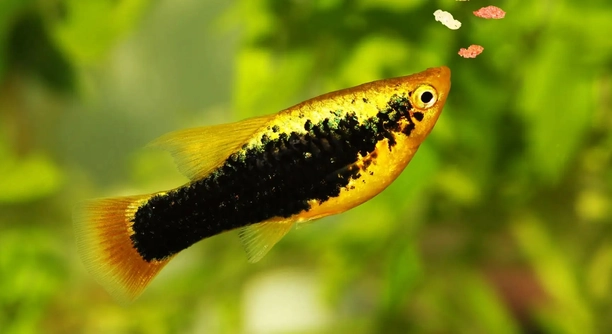
Platies are popular freshwater fish loved by many aquarists for their bright colors and peaceful nature. Keeping them happy in a tank requires some attention to their environment and daily care. Many beginners wonder how to tell if their platies enjoy their setup.
Platies show comfort through steady swimming, active feeding, and interacting calmly with tank mates. Signs of stress include hiding, loss of appetite, or erratic swimming. A well-maintained tank with proper plants, temperature, and space supports their wellbeing effectively.
Learning to recognize these signals can help you create a better home for your platies. This article will guide you through key observations and adjustments for a happier aquarium.
Signs Your Platies Are Comfortable in Their Tank
When platies feel at ease, they swim smoothly and explore their surroundings. They often gather near the surface or middle of the tank, showing interest in food and interacting with other fish. Bright, vibrant colors also indicate good health. If the tank setup meets their needs, they will rarely hide or stay at the bottom for long. Plants, hiding spots, and clean water contribute to a calm environment. Observing these behaviors regularly can help you spot any changes early. It’s important to check water temperature and quality often because platies are sensitive to sudden shifts. A comfortable tank encourages natural behavior, like breeding and playful swimming, which shows they trust their environment. These small signs make it easier to know your platies are happy and healthy in their home.
Platies that feel secure will actively swim and feed, showing no signs of stress or lethargy.
Regularly watching their behavior and tank conditions helps maintain a peaceful habitat for your platies to thrive.
How Tank Setup Affects Platies’ Behavior
The layout and maintenance of your tank play a big role in how platies act. A tank with enough space allows them to swim freely without feeling cramped. Live plants offer shelter and places to hide, reducing stress and making the fish feel safer. Temperature should stay between 70°F and 78°F because platies can become sluggish or overly active if it goes outside this range. Clean water and proper filtration prevent harmful build-up, keeping fish healthy. Avoid overcrowding to reduce competition and aggression. Lighting also matters—too bright can scare them, while a natural day-night cycle supports their routine. Adjusting these factors can lead to more confident swimming, better appetite, and even breeding behavior. Paying attention to the tank setup is key to understanding how comfortable your platies feel every day.
Adjusting Water Conditions for Platies
Maintaining stable water conditions is essential for platies’ comfort and health. Sudden changes can stress them quickly.
Regular testing of pH, ammonia, nitrite, and nitrate levels helps keep the water safe. Platies prefer a pH between 6.8 and 8.0. Ammonia and nitrite should be at zero, while nitrates stay below 20 ppm. Changing about 20% of the water weekly prevents toxins from building up. Using a reliable water conditioner removes harmful chemicals from tap water. Keeping temperature steady between 70°F and 78°F supports their metabolism and immune system. Small shifts can cause lethargy or hiding, so consistent monitoring is key. Your platies will thrive in water that is clean and balanced, showing happier behavior and stronger resistance to disease.
Filtering the water efficiently removes waste and keeps the tank environment stable. Choosing a filter that suits your tank size prevents water turbulence, which can disturb platies.
Choosing the Right Decorations and Plants
Platies benefit from a tank setup that mimics their natural habitat with plenty of hiding spots. Live plants like Java fern and Anubias offer shelter and improve water quality by absorbing nitrates. Smooth decorations without sharp edges prevent injury. Including caves or dense foliage helps shy platies feel secure and reduces stress during feeding or tank maintenance. Avoid overcrowding the tank with too many decorations, as platies need open swimming space. Using a substrate of fine gravel or sand creates a comfortable bottom layer for foraging. Thoughtful decoration placement balances hiding areas with swimming zones, encouraging natural activity and social interaction. This setup supports both their physical and mental well-being in the tank.
Feeding Behavior as an Indicator
Platies that like their tank setup eat eagerly during feeding times. They come out quickly and compete gently for food.
If they refuse food or hide, it may signal stress or poor tank conditions. Regular feeding schedules support their comfort.
Tank Mates and Social Behavior
Platies are social fish that prefer peaceful tank mates like guppies and mollies. Aggressive or overly active companions can cause stress and hideaway behavior. Observing how platies interact with others helps assess their comfort level. A balanced community encourages natural schooling and playful swimming, showing the fish feel safe. Avoid overcrowding and incompatible species to maintain harmony. Proper social conditions contribute to platies’ well-being and prevent aggression or fear-driven behavior.
Water Temperature Consistency
Keeping water temperature steady is vital for platies. Sudden changes can stress them and affect their activity levels.
How can I tell if my platies are happy in their tank?
Happy platies show consistent, calm swimming and actively explore their environment. They come out during feeding and interact well with other fish. Bright colors and clear eyes also indicate good health. When they use hiding spots occasionally but do not stay hidden for long periods, it means they feel safe. Any sudden change in behavior, like hiding more or losing appetite, could suggest discomfort. Regularly watching their activity levels and response to feeding is a simple way to monitor happiness.
What are the common signs of stress in platies?
Stress signs include erratic swimming, staying hidden, loss of appetite, and faded colors. Platies might also gasp near the surface if oxygen levels are low or if water quality is poor. Scraping against decorations or rubbing their bodies can point to irritation or parasites. Stress often results from poor water conditions, overcrowding, or incompatible tank mates. Recognizing these signs early allows for quick action, such as water changes or adjusting tank setup, which helps reduce stress.
What is the ideal tank size for platies?
A minimum of 10 gallons is recommended for a small group of platies. They are active swimmers and need space to explore and interact. Larger tanks reduce stress by providing enough room to avoid overcrowding. More space also helps keep water quality stable, which benefits their health. If you plan to keep more fish or add plants and decorations, increasing tank size is important to maintain balance. A well-sized tank supports natural behavior and a longer, healthier life.
How often should I clean the tank to keep platies comfortable?
Partial water changes of about 20% weekly are best for platies. This helps remove waste and toxins without stressing the fish with a full clean. Clean the filter media gently during water changes to keep beneficial bacteria alive. Remove uneaten food and debris regularly to prevent water quality issues. Keeping the tank clean but stable supports healthy fish and reduces disease risks. Over-cleaning or sudden changes in the tank environment can be harmful, so consistency is key.
What plants work well in a platy tank?
Platies do well with hardy live plants like Java fern, Anubias, and hornwort. These plants offer hiding spots and improve water quality by absorbing nitrates. Floating plants can help diffuse light and give shy fish cover. Avoid sharp or delicate plants that platies might damage. Live plants create a more natural and calming environment, encouraging natural behavior like grazing and exploring. Using a mix of plants adds variety and helps maintain tank balance.
Can platies live with other fish?
Yes, platies are peaceful and thrive with other calm species such as guppies, mollies, and corydoras. Avoid aggressive or large fish that may bully or eat them. Keeping compatible tank mates reduces stress and encourages social behavior. Pay attention to how fish interact and be ready to separate any aggressive individuals. A well-planned community tank supports platies’ comfort and happiness.
What water parameters are best for platies?
Platies prefer a temperature between 70°F and 78°F and a pH range of 6.8 to 8.0. Ammonia and nitrite levels should always be zero, with nitrates kept below 20 ppm. Stable water parameters prevent stress and illness. Use a reliable test kit to monitor regularly. Sudden shifts in temperature or chemistry can upset your platies, so gradual adjustments are better if changes are needed.
How do I encourage breeding behavior in platies?
Provide a well-maintained tank with stable water conditions and plenty of hiding places. A slightly higher temperature near 78°F can stimulate breeding. Feeding high-quality, varied foods supports their health and readiness to breed. When platies feel safe and comfortable, males will chase females gently, and females will develop a gravid spot. Removing other fish during breeding can protect fry from being eaten. Breeding is a good sign your platies feel secure.
What should I do if my platies hide all the time?
Constant hiding may mean stress from water problems, tank mates, or poor environment. Check water quality and temperature immediately. Ensure there is enough space and hiding spots without overcrowding. Observe tank mates for aggression. Sometimes, platies hide after new tank setup or changes but should come out once they adjust. If hiding continues, consider adjusting the environment or consulting an expert.
Is feeding frequency important for platies’ happiness?
Feeding platies once or twice a day with small amounts keeps them healthy and active. Overfeeding can pollute the water and cause health issues. A varied diet of flakes, pellets, and occasional live or frozen foods supports nutrition. Regular feeding schedules help platies feel secure and maintain normal behavior. Skipping meals or irregular feeding can lead to stress and aggression.
How do I handle aggressive behavior in platies?
Aggression usually comes from overcrowding or incompatible tank mates. Ensure the tank is spacious and contains peaceful species. Remove any overly aggressive fish to prevent stress and injury. Adding plants and hiding spots can reduce tension. Observe fish behavior regularly to catch problems early. Keeping a calm, well-maintained environment lowers the chances of aggression.
Platies are peaceful and colorful fish that bring life to any freshwater tank. Knowing if they like their tank setup helps keep them healthy and happy. Paying attention to their behavior, such as swimming patterns and feeding habits, gives clues about their comfort. When platies swim calmly, eat well, and interact with other fish, it usually means the tank environment suits them. On the other hand, hiding, loss of appetite, or erratic movements suggest something needs to be adjusted. Watching these signs regularly is important to catch problems early and make sure your fish are doing well.
The tank setup itself plays a big role in platies’ happiness. This includes water quality, temperature, space, and decorations. Clean, stable water with the right pH and temperature range keeps platies healthy. A tank that is too small or overcrowded can cause stress, so giving them enough room to swim freely is important. Decorations and plants provide shelter and security, helping shy fish feel safer. Live plants also improve water conditions by absorbing waste. Choosing the right tank mates is also key. Platies do best with peaceful fish that do not compete aggressively for food or space. Making these choices thoughtfully creates a balanced and calm environment.
Taking care of platies means keeping an eye on many small details. Feeding them regularly with good food, maintaining water quality, and adjusting the tank setup when needed all contribute to their well-being. Changes should be made gradually to avoid shocking the fish. When platies feel safe and comfortable, they show it by being active and bright. This positive feedback can make the tank more enjoyable for both fish and owner. By understanding what platies need and how they behave, you can provide a home where they thrive for a long time.

Hello,
If you enjoy the content that we create, please consider saying a "Thank You!" by leaving a tip.
Every little bit helps us continue crafting quality advice that supports the health, happiness, and well-being of pets around the world, for pets of all shapes, sizes, and species.
We really appreciate the kindness and support that you show us!