
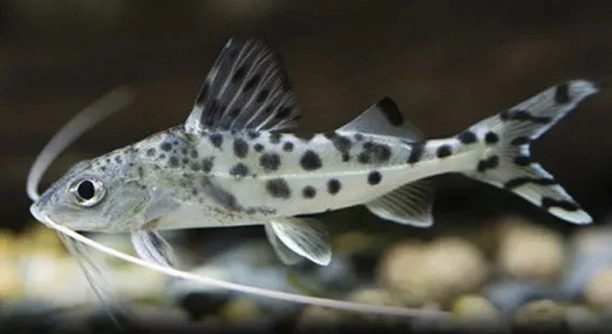
Have you ever watched your pictus catfish darting around and wondered if they’re having fun or getting into trouble? Their quick movements and sudden bursts of energy can sometimes be hard to interpret.
Pictus catfish typically play by chasing each other without causing harm, while fighting is marked by nipping, visible damage, or one fish consistently hiding. Observing body language, speed, and consistency of interaction helps distinguish play from aggression.
Understanding these patterns allows you to better care for your fish and maintain a peaceful aquarium environment.
Common Signs Your Pictus Catfish Are Playing
Pictus catfish are naturally energetic and social. When they play, their behavior is quick but non-aggressive. You might see them chasing each other around the tank in smooth, flowing movements. They rarely make contact and don’t show signs of stress. Their colors stay consistent, and they continue to explore the tank or swim together calmly after each interaction. This type of behavior is normal, especially if they are in a group. Providing enough space and hiding spots helps keep this activity balanced. Playful chasing often happens after feeding or during active times of the day. It’s their way of staying stimulated and interacting with their surroundings. These movements may look chaotic, but if no one is hiding, getting hurt, or showing faded colors, it’s likely just playful energy. Watching them during these times can help you get used to their patterns and recognize what’s normal.
Playful behavior is usually short and followed by peaceful swimming or resting.
Make sure their tank setup supports healthy play. A 55-gallon tank or larger gives them room to move. Add driftwood, plants, and soft substrate to keep things comfortable and safe. Pictus catfish are active swimmers, and a crowded tank can increase stress. Keep them in groups of three or more to support their social needs. With enough hiding spots, they can retreat if needed, reducing the chance of stress. Also, check that water quality is stable. Clean water and proper temperature (between 74–80°F) help maintain energy without triggering aggressive responses. Keep tank mates peaceful and avoid pairing them with slow or long-finned fish. If your pictus catfish are darting back and forth but returning to a calm state shortly after, it’s a good sign they’re enjoying themselves. These details help you create an environment that supports their natural behavior and reduces confusion between play and real conflict.
How to Tell When It’s Fighting
Fighting shows up as repeated chasing, nipping, or hiding. One fish may seem more dominant and aggressive.
If you notice torn fins, missing scales, or one fish hiding most of the time, it’s likely more than just playing. Aggression tends to be consistent and focused, not random like playful swimming. This kind of behavior often means the tank is too small or lacks proper hiding areas. Pictus catfish need personal space, especially if they feel threatened. If aggression is happening often, it could be from stress, overcrowding, or poor water conditions. To manage this, try rearranging the tank décor to break up line-of-sight and give each fish more places to hide. Sometimes, adding one or two more pictus catfish can help spread out aggression, as it lessens the focus on a single fish. Also, double-check tank mates. Larger or aggressive fish can increase tension. By adjusting these factors, you can reduce fighting and keep your fish comfortable and safe.
What Causes Aggression in Pictus Catfish
Aggression in pictus catfish usually happens when the tank is too small, overcrowded, or when they don’t have enough hiding spots. Stress, poor water conditions, or incompatible tank mates can also lead to fighting.
A small tank forces fish into each other’s space, which raises tension. Even though pictus catfish are social, they still need room to swim and hide. Without enough space, one fish may try to dominate the others. Sharp tank décor or poor lighting can also make them feel unsafe, adding more stress. Dirty water, ammonia spikes, or sudden temperature changes may lead to irritability. If tank mates are slow, long-finned, or territorial, they may trigger aggressive responses in pictus catfish. Keeping an eye on all these elements can help you prevent issues before they start. A peaceful tank depends on both good water quality and the right tank setup.
Fish that are sick or weak can also become targets. Pictus catfish are sensitive to changes in behavior and may pick on weaker tank mates. If aggression starts suddenly, check for health problems, water changes, or new additions to the tank. Adding new fish without proper acclimation can shake up the tank’s balance. Fish that don’t have time to adjust may become stressed, making them more likely to act out or be attacked. Watch for body language like rapid gill movement, color changes, or hiding, as these signs can point to a problem. Fixing aggression usually means improving water quality, adding hiding spots, and making sure all tank mates are suited to each other. Careful monitoring and small changes can go a long way in keeping your pictus catfish calm and healthy.
Tips for Reducing Unwanted Behavior
Start by checking the tank size, water quality, and stocking levels. A tank that’s too full or dirty can trigger aggression fast. Add more hiding spots to help break line-of-sight and reduce stress.
If your tank is on the smaller side, consider upgrading to something larger. A tank that’s at least 55 gallons gives your pictus catfish space to swim freely and feel secure. Rearranging plants, rocks, and driftwood can also break up territories and create new safe zones. If your fish are showing signs of stress or aggression, do a partial water change and test the water for ammonia, nitrite, and nitrate levels. Adding more fish of the same species can help spread aggression, but only do this if your tank can handle the bioload. Avoid mixing pictus catfish with slow or long-finned fish, as these often become targets. Consistent feeding and a calm environment support better behavior over time.
Signs of Stress in Pictus Catfish
Faded colors, fast gill movement, and hiding more than usual can all be signs your pictus catfish is stressed. Stress can make them more aggressive or less active, depending on the situation.
Loss of appetite or staying near the bottom of the tank constantly can also be a concern. Monitor their behavior closely.
When to Separate Fish
If one fish is constantly being chased, shows injuries, or hides all the time, it’s best to separate them. Use a temporary tank with proper filtration and similar water conditions. This gives the injured or stressed fish time to recover and heal. You can also try rearranging the main tank’s layout before reintroducing them. In some cases, permanent separation may be needed, especially if aggressive behavior continues. Don’t rush the process—observe changes and adjust slowly. Avoid using dividers long-term unless necessary, as they limit swimming space. A calm and steady setup helps maintain long-term peace.
Keep a Consistent Routine
Regular water changes, stable feeding times, and checking equipment often help reduce unwanted behavior and stress. A balanced routine helps your pictus catfish feel secure in their environment.
How can I tell if my pictus catfish are just playing or really fighting?
Playful pictus catfish chase each other quickly but don’t cause harm. Their movements are smooth, and they usually return to calm swimming afterward. Fighting involves repeated chasing with nipping, damaged fins, or scales. One fish might hide more, showing signs of stress. Watch for these signs to tell the difference clearly.
What tank size is best to prevent aggression in pictus catfish?
A minimum of 55 gallons is ideal for pictus catfish to have enough space. Overcrowding causes stress and aggression. Larger tanks give them room to swim freely and find personal space, which reduces conflicts. Make sure to provide hiding spots and proper decorations as well.
How many pictus catfish should I keep together?
It’s best to keep pictus catfish in groups of at least three. They are social fish and feel safer in groups. Smaller numbers may cause stress or increase aggression. Groups help spread out any dominant behavior and keep a more balanced environment.
What are common signs of stress in pictus catfish?
Signs include faded color, rapid breathing, hiding often, and loss of appetite. Stressed fish may stay at the tank bottom or refuse to swim. Stress can cause changes in behavior like aggression or lethargy. Keep an eye on their activity and appearance for early signs.
Can tank mates cause aggression in pictus catfish?
Yes, tank mates that are slow-moving, territorial, or long-finned can provoke aggression. Pictus catfish may nip or chase these fish. Choose peaceful, active fish that match the pictus catfish’s energy level to avoid problems. Avoid overly aggressive species as well.
What should I do if my pictus catfish are fighting?
First, check water quality and tank size. Improve water conditions with regular changes and test for ammonia or nitrates. Rearrange tank decorations to break up territories and add hiding places. If fights continue, separate the aggressive fish temporarily or permanently if needed.
Is it normal for pictus catfish to nip fins?
Nipping during play can happen but should not cause damage. If you see torn fins or bleeding, this is a sign of aggression, not play. It’s important to intervene by changing tank conditions or separating fish to avoid injury.
How do I reduce stress in pictus catfish?
Maintain stable water parameters, feed on a regular schedule, and avoid sudden changes. Provide plenty of hiding spots and keep the tank environment calm and consistent. Stress reduction helps prevent aggressive behavior and supports healthy fish.
Can I add more pictus catfish to reduce fighting?
Adding more fish of the same species can sometimes help spread aggression, but only if the tank is large enough. Overcrowding can worsen the problem. Always ensure the tank can handle the bioload before adding more fish.
How often should I clean my tank to keep pictus catfish healthy?
Regular partial water changes of 20–30% every week or two help keep water clean and stable. Avoid complete tank cleanings that remove beneficial bacteria. Clean filters regularly and monitor water quality to reduce stress and aggression.
What water temperature is best for pictus catfish?
Maintain a temperature between 74 and 80 degrees Fahrenheit. Stable temperatures within this range keep pictus catfish comfortable and less likely to become stressed or aggressive.
Should I separate injured pictus catfish?
Yes, separating injured or stressed fish helps them heal without being bullied. Use a quarantine tank with similar water conditions and proper filtration. Reintroduce them only once fully recovered, and monitor closely.
Can poor diet cause aggression in pictus catfish?
Poor nutrition can increase stress and aggressive behavior. Feed a balanced diet of sinking pellets, frozen foods, and occasional live treats. A healthy diet supports their energy and reduces irritability.
How do I know if a fish is too aggressive for my tank?
Frequent chasing, nipping, damaged fins, and constant hiding by other fish indicate an aggressive tank mate. If aggression causes injury or stress, it’s a sign the fish may not be compatible.
Is rearranging the tank helpful in reducing aggression?
Yes, rearranging plants, rocks, and decorations can break up visual territories. This helps reduce chasing by confusing dominant fish and providing more hiding spots, making the tank feel safer for all fish.
Can lighting affect pictus catfish behavior?
Bright or constant lighting can stress pictus catfish. Dimmer lighting or providing shaded areas lets them feel more secure. Adjust lighting to match their natural environment and observe behavior changes.
Are pictus catfish territorial?
They are semi-territorial but more social than aggressive. They defend small areas occasionally but mostly swim freely in groups. Providing enough space and hiding spots helps reduce territorial disputes.
What is the best way to introduce new fish to a pictus catfish tank?
Acclimate new fish slowly to the tank’s water temperature and chemistry. Introduce them during feeding times or rearrange the tank first to reset territories. Watch for aggression and be ready to separate if needed.
Can stress lead to illness in pictus catfish?
Yes, prolonged stress weakens their immune system, making them more vulnerable to disease. Keeping a stable environment and good care routine helps prevent illness.
How long does it take for pictus catfish to settle in?
They usually settle within a few days to a week if conditions are right. During this time, expect some chasing or hiding. After settling, behavior should become calm and predictable.
What should I do if aggression continues despite changes?
Consider permanently separating aggressive fish or rehoming some if the tank is too small. Sometimes, no amount of rearranging or adding hiding spots fixes persistent aggression. Prioritize the health and safety of all your fish.
Pictus catfish are active and social fish that bring life to any aquarium. Understanding their behavior helps keep them happy and healthy. It’s important to know the difference between when they are playing and when they are fighting. Playful behavior usually involves quick chasing with no harm done. The fish swim around smoothly, and after the activity, they go back to calm swimming. On the other hand, fighting shows itself through repeated chasing with biting, damaged fins, or one fish hiding often. By watching how your pictus catfish act and interact, you can tell if everything is normal or if there is a problem.
Creating the right environment is key to reducing stress and aggression. Pictus catfish need enough space, usually a tank of 55 gallons or more, so they don’t feel crowded. Overcrowding can cause tension and lead to fights. It’s also important to provide hiding spots using plants, driftwood, and decorations. These spots give fish a place to retreat and feel safe. Clean water and stable temperature also play a big role. Keeping the water clean and at the right temperature helps keep fish calm and healthy. Choosing the right tank mates matters as well, since some fish can trigger aggression in pictus catfish.
If fighting does happen, it’s best to act quickly. Check water quality and tank setup first. Rearranging decorations or adding more hiding places can help reduce tension. If one fish is hurt or stressed, separating it temporarily allows time to heal. Sometimes, permanent separation is needed if aggression continues. Keeping a regular routine with feeding and water changes supports a calm tank environment. Watching your pictus catfish closely will help you catch problems early. With care and attention, you can enjoy watching your fish play peacefully and avoid unnecessary fights.

Hello,
If you enjoy the content that we create, please consider saying a "Thank You!" by leaving a tip.
Every little bit helps us continue crafting quality advice that supports the health, happiness, and well-being of pets around the world, for pets of all shapes, sizes, and species.
We really appreciate the kindness and support that you show us!