
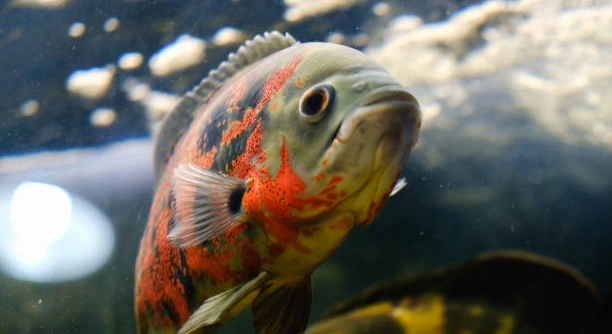
Oscar fish are known for their vibrant personalities, but their aggressive nature can sometimes lead to fights. Recognizing early signs of tension can help you prevent harm. Understanding their behavior will guide you in managing their interactions.
Oscar fish are territorial and will often show aggression before a fight. Look for signs such as raised fins, flared gills, and constant chasing. Additionally, excessive hiding or avoiding each other may indicate underlying stress or conflict.
Recognizing these behaviors early can help prevent aggression. Understanding their triggers and providing adequate space will lead to a healthier environment for your Oscar fish.
Signs That Oscar Fish Are Ready to Fight
Oscar fish display a range of behaviors before they engage in physical conflict. Raised fins, flared gills, and constant chasing are clear signs that aggression is brewing. If one fish starts cornering the other or blocking access to hiding spots, it’s a signal that a fight might be imminent. When this happens, the more aggressive fish will often display territorial dominance. Watching for these indicators can help you understand the emotional state of your Oscar fish.
Oscar fish also engage in intense eye contact. They may stare at each other, showing no signs of retreat. This prolonged staring can escalate to more physical displays. It’s important to observe these subtle signs regularly, especially if you have multiple Oscars in one tank.
Reducing their stress levels and providing enough space can often minimize the chances of conflict. Separate hiding spots and sufficient territory help maintain peace. A lack of resources may increase tensions and result in more frequent fights.
Managing Aggression Between Oscars
Managing aggression in Oscar fish is not difficult, but it requires a few simple steps. Providing multiple hiding spaces and decorations can help reduce the territorial disputes. Keep the tank size in mind; a cramped environment leads to competition. You may also want to rearrange the tank every so often to confuse the fish and reduce territorial behavior.
When it comes to tank mates, keep in mind that not all species get along with Oscars. Some fish may irritate them, leading to unnecessary aggression. Always monitor interactions when introducing new tank mates. Oscars do well with other large, non-aggressive fish.
If fights break out, it’s crucial to separate the aggressive fish immediately. A hospital tank can help them recover without further stress. Afterward, you can try to reintroduce them gradually, ensuring the environment remains calm and neutral.
How to Prevent Oscar Fish Fights
To prevent Oscar fish fights, ensure the tank is large enough for multiple fish. A tank that’s too small can cause stress and competition for space. Providing enough hiding spots will also give each fish a place to retreat, reducing the likelihood of confrontations.
Consider the tank’s layout carefully. Avoid overcrowding and make sure each Oscar has its own territory. Plants, rocks, and caves can be strategically placed to create boundaries. This setup allows them to claim their own spaces without constantly challenging each other. A well-organized tank will help keep aggression to a minimum.
Monitor water quality and temperature, as poor conditions can also increase aggression. Oscars are sensitive to changes in their environment. By maintaining stable water conditions, you reduce stress, which is often a trigger for fights. Regular water changes and the right filtration system are key.
Recognizing Post-Fight Behavior in Oscars
After a fight, Oscars may show signs of injury or stress. Look for torn fins or discoloration on the fish’s body. In some cases, they may hide more than usual, indicating that they are trying to recover from the altercation. It’s important to separate the aggressor and provide a calm space for the injured fish.
Once removed from the fight, monitor their recovery. If the injured Oscar isn’t eating or behaves lethargically, it could be a sign of further stress or infection. Maintaining a hospital tank with proper filtration can speed up recovery. It’s also important to provide additional hiding spots during this period, ensuring the fish can rest without feeling threatened.
Ensure that both Oscars are kept in separate areas until they are fully healed. Once you notice that the injured fish has regained strength, you can reintroduce them, but slowly and carefully. This process will help reduce the risk of further conflict.
When to Separate Oscar Fish
If the aggression becomes constant or escalates, separating the fish is necessary. Continuous fighting can cause physical damage and significant stress. Early intervention is key to preventing serious harm. If you notice persistent chasing or aggression, it’s best to act quickly.
Oscar fish often need time to cool off before reuniting. Keeping them in separate tanks helps them relax and heal without further confrontation. A break can reduce the chance of recurring fights. The key is to observe their behavior regularly and intervene at the first signs of trouble.
Tank Size and Oscar Behavior
A larger tank plays a crucial role in minimizing aggression. With enough space, Oscars are less likely to feel threatened by each other. They can establish their own territories and avoid constant competition. A 75-gallon tank is ideal for two or more Oscars, offering them enough room to coexist peacefully.
Smaller tanks cause overcrowding, leading to stress and aggression. It’s important to remember that Oscar fish grow quite large, so they need space to thrive. With a spacious setup, Oscars are less likely to become territorial and more likely to coexist peacefully.
Avoiding Stress Factors
Oscars are highly sensitive to their environment. Stress factors like poor water quality, irregular feeding schedules, or excessive noise can trigger aggression. Ensuring the tank is clean, stable, and quiet will help keep your Oscars calm. Regular water changes and testing the water parameters can reduce stress.
FAQ
How do I know if my Oscar fish is stressed?
Stressed Oscar fish often display certain behaviors such as excessive hiding, erratic swimming, or refusal to eat. They may also have clamped fins or a lack of interest in interacting with their environment. These signs indicate that something in their tank is causing distress, whether it’s poor water quality, overcrowding, or incompatible tank mates. Monitoring these behaviors regularly can help you identify stress before it leads to aggression or illness.
What should I do if my Oscars are constantly fighting?
If your Oscars are fighting frequently, the first step is to assess the tank size. A tank that’s too small can contribute to territorial disputes. If space isn’t the issue, try rearranging the tank to disrupt established territories. Adding more hiding spots can help each Oscar claim its own space. If the fighting continues, you might need to separate them temporarily. Keep a close eye on their behavior, as constant fighting can lead to physical injuries or long-term stress.
Can I keep multiple Oscars in the same tank?
Yes, you can keep multiple Oscars in the same tank, but it requires careful planning. Oscars are territorial and can become aggressive with other fish, especially if they feel their space is threatened. The key is providing ample space, typically a tank of at least 75 gallons for two Oscars. Adding hiding spots and decorations to break up sightlines will help reduce aggression. If you plan to keep multiple Oscars, monitor their interactions closely and be ready to separate them if fighting becomes frequent.
Why do my Oscars constantly chase each other?
Chasing is often a sign of territorial behavior. Oscars are known to establish dominance in their environment, and chasing each other is part of that process. While some chasing is normal, excessive or aggressive chasing can indicate stress or a lack of space. If the chasing turns into physical aggression, consider rearranging the tank or providing more hiding spaces. This can help reduce the chances of a fight breaking out. If necessary, separate the fish to give them time to calm down.
Can I put other fish with Oscars?
Oscars can be kept with other large, non-aggressive fish. They may get along with species like large cichlids, catfish, or plecos. However, smaller fish should be avoided, as Oscars have a tendency to see them as prey. The key is selecting tank mates that are large enough to defend themselves but not overly aggressive. It’s essential to monitor the fish regularly, as even compatible tank mates can become targets if the Oscars feel threatened or stressed.
What should I feed my Oscars to reduce aggression?
A balanced diet can help maintain healthy Oscars and reduce aggression linked to stress. Offer them high-quality pellets, live or frozen foods like worms, shrimp, and fish, as well as occasional vegetables. A varied diet will keep them healthy, which in turn may help minimize stress and aggression. Overfeeding can lead to water quality issues, so be sure to feed them appropriately and maintain regular water changes.
How often should I clean my Oscar fish tank?
Oscar tanks should be cleaned regularly to ensure optimal water quality. Perform partial water changes of 25-30% every 1-2 weeks, depending on tank size and filtration. Regularly clean the substrate, removing debris that may build up. A good filtration system is essential to maintain water clarity and prevent the accumulation of harmful toxins. Cleaning your tank helps reduce stress and keep your Oscars in a healthy environment.
What is the ideal temperature for Oscar fish?
Oscar fish thrive in warm water, with an ideal temperature range of 75-80°F (24-27°C). Consistent water temperature is essential for their health. Sudden temperature fluctuations can stress Oscars, leading to weakened immune systems and more aggressive behavior. Invest in a reliable heater and thermometer to keep the tank within the appropriate range.
Why is my Oscar fish hiding all the time?
Oscars may hide when they are feeling stressed, unwell, or during periods of aggression from other fish. If your Oscar is hiding more than usual, first check the water quality and tank environment. Ensure the tank isn’t overcrowded and that your Oscar has enough hiding spots. If hiding persists, it may indicate illness, and a vet visit or water tests could be needed.
How can I tell if my Oscar is sick?
Signs that your Oscar might be sick include faded colors, unusual swimming patterns (such as staying at the bottom or top of the tank), abnormal bloating, or visible lesions. They may also show a loss of appetite or lethargy. If you notice these symptoms, it’s important to check water parameters first. If the conditions are stable, consider isolating the sick fish in a quarantine tank and seeking advice from a vet.
Final Thoughts
Oscar fish are beautiful, intelligent, and fascinating creatures. However, their aggressive nature can create challenges, especially when it comes to keeping them with other fish. Understanding their behavior and providing the right environment can go a long way in preventing fights. The key is to give them enough space, hiding spots, and a well-maintained tank. Regular water changes and careful monitoring of their interactions are also essential to ensure your Oscars remain healthy and comfortable.
While aggression is common in Oscars, it’s not something that can’t be managed. By observing their behavior closely, you can identify the early signs of stress or conflict. If fighting does occur, it’s important to address the issue quickly, whether by separating the fish or adjusting the tank’s layout. Oscars can coexist peacefully with other large, compatible fish, but ensuring that each Oscar has enough space to claim as its own will help minimize conflicts.
In the end, keeping Oscars requires commitment and attention. Their behavior can be unpredictable, but with the right setup and care, they can live a long, happy life. By creating an environment that suits their needs, you’ll give them the best chance to thrive. Remember that each Oscar is different, and what works for one might not work for another. Patience and flexibility will help you find the right balance in keeping these remarkable fish.

Hello,
If you enjoy the content that we create, please consider saying a "Thank You!" by leaving a tip.
Every little bit helps us continue crafting quality advice that supports the health, happiness, and well-being of pets around the world, for pets of all shapes, sizes, and species.
We really appreciate the kindness and support that you show us!