
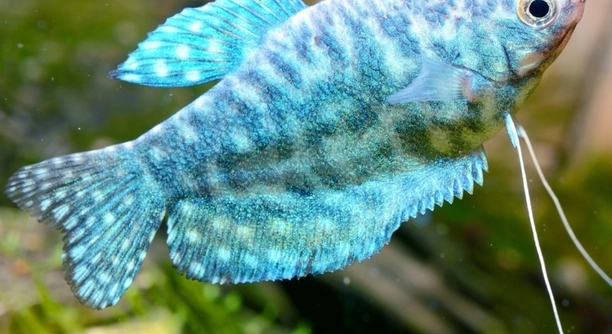
Gourami are popular freshwater fish known for their bright colors and gentle nature. Many aquarium owners enjoy watching them swim and interact with their environment. Knowing their behavior helps ensure they live happily in your tank.
Signs that gourami are bored include lethargy, lack of interest in food, and repetitive swimming patterns. Boredom can negatively impact their health and well-being, making it important to recognize these behaviors early and address their environment accordingly.
Understanding these signs can improve your gourami’s daily life and keep them active and healthy in their aquatic home.
Common Signs of Boredom in Gourami
Gourami showing boredom often display changes in their usual behavior. You might notice they swim in circles or repeat the same route over and over. They may hide more than usual or seem uninterested in food. These fish usually enjoy exploring their surroundings, so when they stop doing this, it’s a clear sign something is off. Sometimes, they stay motionless for long periods or float near the water’s surface without much movement. A bored gourami may also show less interaction with tank mates. When these signs appear, it’s important to consider if their environment offers enough stimulation. Lack of plants, hiding spots, or toys can contribute to boredom. Making changes can improve their mood and overall health.
These behaviors can affect your gourami’s well-being if left unaddressed.
Providing a dynamic environment helps keep gourami mentally and physically active, preventing boredom-related problems.
How Environment Affects Gourami Behavior
A well-designed tank is essential for preventing boredom in gourami. These fish thrive in environments with plenty of plants, hiding places, and space to swim freely. A bare or overcrowded tank can make them restless or withdrawn. Gourami also respond well to gentle water movement, mimicking their natural habitats. It’s important to maintain stable water conditions, as stress can worsen signs of boredom or illness. Adding variety, like live plants or floating decorations, encourages natural behavior and exploration. Regular changes in the tank setup, such as rearranging decorations or introducing new objects, can keep your gourami curious and engaged. Avoid sudden changes that may cause stress. By focusing on a balanced environment, you support your gourami’s physical and mental health, making them more active and vibrant.
A well-maintained and stimulating tank supports healthy behavior and reduces boredom significantly.
Activities to Prevent Boredom
Regular interaction and environmental changes help keep gourami active. Simple additions like floating plants or gentle water currents encourage natural behavior. Providing variety prevents boredom.
Introducing new objects or rearranging decorations stimulates your gourami’s curiosity. Toys or mirrors can also engage them but use these sparingly to avoid stress. Feeding live or frozen foods instead of just flakes adds excitement during mealtime. Encouraging movement with safe tank mates can promote social interaction. All these small changes help maintain a lively and healthy fish.
Without mental stimulation, gourami may become lethargic and lose appetite. Keeping their environment dynamic supports their natural instincts. The goal is to create a habitat where gourami can explore and feel safe, reducing boredom and stress effectively.
Monitoring Behavior Over Time
Keep a daily eye on your gourami’s habits. Note any sudden changes in activity or appetite. Early detection of boredom or illness is key.
Recording behaviors helps identify patterns or triggers causing boredom. Changes in tank setup, feeding routine, or water quality may impact them. Regular monitoring allows timely adjustments to improve your gourami’s well-being. Consistency in care builds trust and reduces stress, making your fish more responsive and energetic. Observing your gourami closely helps ensure they stay healthy and happy in the long run.
Signs of Stress vs. Boredom
Stress and boredom in gourami can look similar but have different causes. Stress usually comes from poor water conditions or aggressive tank mates. Boredom is mostly about lack of stimulation.
Watching closely helps tell the difference. Stress often shows physical signs like faded colors or rapid breathing, while boredom affects behavior more than appearance.
Improving Tank Conditions
Maintaining clean water and proper temperature is essential for your gourami’s health. Regular water changes and testing keep harmful chemicals low. Temperature should stay between 74 and 82°F (23-28°C). Good filtration helps, but avoid strong currents that can stress gourami. A healthy environment reduces stress and prevents boredom by promoting natural behavior and activity.
Using Tank Mates Wisely
Choosing peaceful tank mates can encourage social behavior without causing stress. Avoid aggressive or overly active fish that may intimidate gourami. Compatible companions create a balanced, engaging community.
FAQ
How can I tell if my gourami is bored or sick?
Boredom in gourami usually shows as repetitive swimming, hiding, or lack of interest in food, without physical symptoms. Illness often comes with visible signs like faded color, clamped fins, or difficulty breathing. If your fish shows both behavior changes and physical symptoms, it’s best to check water quality and consider consulting a vet.
What are easy ways to keep gourami entertained?
Adding live or artificial plants, floating decorations, and gentle water flow encourages natural behavior. Feeding live or frozen foods occasionally sparks interest. Rearranging tank decorations regularly keeps their environment new and stimulating. Even small changes can prevent boredom and improve their well-being.
Can gourami get lonely?
Gourami can be social, but some species prefer solitude. If housed with peaceful tank mates or in small groups, they often show more activity. Watching their behavior helps decide if they need companions or more space to thrive.
How often should I change the tank layout?
Changing the tank layout every few weeks can help keep gourami curious. Avoid drastic changes all at once to prevent stress. Small, gradual rearrangements or adding new decorations work best for maintaining engagement.
Are toys safe for gourami?
Safe, non-toxic tank decorations or mirrors can stimulate gourami briefly. Use toys sparingly and observe your fish’s reaction. If they show signs of stress or aggression, remove the items to keep the environment calm.
What should I do if gourami refuses to eat?
Loss of appetite can signal boredom, stress, or illness. Check water conditions first, then try offering a variety of foods like live or frozen options. If the behavior continues, testing for disease or consulting an expert is important.
Is it normal for gourami to hide a lot?
Gourami enjoy hiding spots but excessive hiding can indicate boredom or stress. Providing enough plants and caves lets them feel secure. If they hide constantly, review tank conditions and social setup.
How can I create a stimulating environment for gourami?
Include a mix of live plants, gentle currents, and varied decorations. Rotate these elements occasionally and introduce different food types. Maintaining water quality and a peaceful community helps your gourami stay active and healthy.
Do gourami like company?
Some gourami species appreciate tank mates, which can reduce boredom by encouraging interaction. However, overly aggressive or fast fish can cause stress. Choose compatible species to foster a calm, social atmosphere.
Can I train my gourami?
Gourami can learn to recognize feeding times or respond to gentle tapping on the tank. Positive routines help build trust and reduce boredom by adding mental stimulation. Patience and consistency are key.
Final Thoughts
Gourami are gentle fish that can show signs of boredom when their environment is not engaging enough. Recognizing these signs early is important to keep them healthy and happy. Changes in behavior like repetitive swimming, hiding more than usual, or losing interest in food often point to boredom. By paying attention to these signals, you can take steps to improve their tank conditions and provide more stimulation.
A good environment plays a big role in preventing boredom. Adding plants, decorations, and hiding spots helps gourami explore and feel safe. Gentle water flow and proper temperature also support their well-being. Regularly changing the layout of the tank or introducing new objects keeps their surroundings fresh and interesting. Feeding a variety of foods can also spark their natural curiosity. These simple adjustments can make a noticeable difference in how active and lively your fish appear.
Taking time to observe your gourami’s behavior daily is very helpful. Small changes in activity or appetite may show that your fish need more attention. Offering companions that get along well can encourage social interaction and reduce boredom. Avoid stressful situations by keeping water clean and stable. With consistent care and a stimulating environment, gourami are more likely to thrive. Meeting their needs ensures they stay healthy and enjoy their life in your aquarium.

Hello,
If you enjoy the content that we create, please consider saying a "Thank You!" by leaving a tip.
Every little bit helps us continue crafting quality advice that supports the health, happiness, and well-being of pets around the world, for pets of all shapes, sizes, and species.
We really appreciate the kindness and support that you show us!