
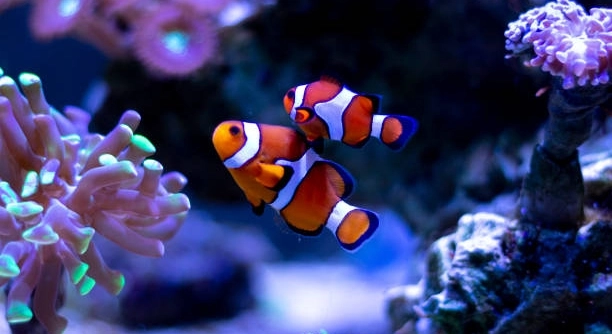
Clownfish are popular aquarium pets known for their bright colors and interesting behavior. Many fish owners want to ensure their clownfish feel safe and at ease in their environment. Recognizing comfort in clownfish helps maintain their health and well-being.
Clownfish show signs of comfort through calm swimming, regular feeding habits, and active interaction with their surroundings. Comfortable clownfish tend to stay close to their anemones and exhibit bright coloration and normal breathing patterns.
Knowing how to spot these behaviors will help you create a better home for your clownfish and keep them thriving. Understanding their comfort can improve your aquarium care practices.
Signs Your Clownfish Is Comfortable
Clownfish that are comfortable tend to swim smoothly and explore their tank without signs of stress. They often stay near their host anemones, which provide shelter and a sense of security. Healthy appetite is another good indicator—comfortable clownfish eat regularly and eagerly. Their colors appear vibrant, and their breathing is steady, not rapid or labored. On the other hand, fish that hide constantly or dart nervously may be uncomfortable. Observing these behaviors consistently helps in identifying their comfort level. It is important to maintain stable water conditions, including proper temperature, pH, and cleanliness, to support these positive signs. A well-kept tank with appropriate lighting and hiding spots also encourages natural behavior. Comfort in clownfish is closely linked to their environment and care routine, making attention to detail essential for their well-being.
Watching your clownfish’s behavior over time provides valuable clues about their comfort. Consistency is key to recognizing what is normal for your fish.
Taking time to observe your clownfish daily helps catch early signs of discomfort. This awareness allows you to adjust their care promptly, improving their quality of life.
Creating a Comfortable Environment for Clownfish
A suitable environment starts with a tank that mimics the clownfish’s natural habitat. The tank size should be appropriate, generally at least 20 gallons, to provide enough space for swimming and hiding. Proper filtration and water movement help maintain water quality and oxygen levels. Lighting should simulate a natural day-night cycle to support their biological rhythms. Including live anemones or suitable substitutes is important since clownfish form symbiotic relationships with them. These provide shelter and reduce stress. Temperature should be kept stable between 74°F and 79°F, with regular checks on pH and salinity. Avoid sudden changes in water conditions, as these can stress the fish. Regular tank cleaning and partial water changes maintain a healthy environment. Providing a balanced diet tailored to clownfish needs supports their overall comfort and vitality.
Common Stressors for Clownfish
Changes in water quality, improper tank size, and aggressive tank mates can cause stress in clownfish. Stress often leads to hiding, loss of appetite, or faded colors. Identifying these factors early is crucial for maintaining their comfort.
Water quality is the most important factor affecting clownfish health. Poor filtration or irregular water changes cause toxins to build up, which stresses the fish. Sudden changes in temperature or pH levels can also upset their balance. A tank too small limits movement and increases aggression. Compatibility with other fish matters since aggressive species can intimidate clownfish, leading to stress behaviors. Keeping the environment stable and calm reduces these risks. Regular testing and monitoring of water parameters help detect issues early, preventing long-term harm.
Avoid overcrowding the tank and introduce new fish carefully to minimize stress. Proper tank maintenance and mindful selection of tank mates ensure a peaceful and healthy environment for your clownfish.
Feeding Habits and Comfort
Clownfish that are comfortable show consistent feeding behavior and interest in food. Skipping meals or refusing food may signal discomfort or illness. Feeding a varied diet supports their health and well-being.
A balanced diet for clownfish includes high-quality pellets, flakes, and occasional treats like brine shrimp or mysis shrimp. Proper feeding encourages natural behavior and prevents nutritional deficiencies. Overfeeding should be avoided to keep water quality stable and reduce waste buildup. Feeding small portions multiple times a day mimics their natural feeding pattern. Observing how eagerly your clownfish eat provides insight into their comfort level. Healthy clownfish respond promptly at feeding time and appear active afterward. Feeding routines can also build trust and reduce stress, creating a positive relationship between the fish and their environment.
Signs of Illness vs. Discomfort
Not all unusual behavior means discomfort; some signs point to illness. White spots, torn fins, or sluggishness usually indicate health problems that need attention. Early detection helps prevent worsening conditions.
Behavioral changes like hiding or loss of appetite can signal stress or illness. Differentiating between the two is key to providing the right care quickly.
Adjusting Tank Conditions
Maintaining stable water parameters is essential for clownfish comfort. Sudden shifts in temperature, salinity, or pH cause stress and can harm their immune system. Regular monitoring and gradual adjustments help keep conditions optimal.
Interaction with Anemones
Clownfish often live in symbiosis with anemones, which offer protection. If the fish avoid the anemone or seem restless, it may be a sign of discomfort or tank issues. Monitoring this relationship helps ensure comfort.
Observation and Patience
Comfort levels change slowly, so consistent observation is important. Patience allows time to identify subtle signs and make necessary adjustments for your clownfish’s well-being.
FAQ
How can I tell if my clownfish is happy in the tank?
Happy clownfish swim calmly, explore their environment, and stay near their anemones or hiding spots. They eat regularly and have bright, consistent coloration. Their breathing is steady, not rapid or labored. When clownfish exhibit these behaviors, it usually means they are comfortable and well-adjusted to their surroundings.
What causes clownfish to become stressed?
Stress in clownfish is often caused by poor water quality, inappropriate tank size, or aggressive tank mates. Sudden changes in temperature, pH, or salinity can also be stressful. Overcrowding and lack of hiding spaces contribute as well. Stress signs include hiding, loss of appetite, rapid breathing, and faded colors.
Can clownfish live without an anemone?
Yes, clownfish can live without an anemone, but they feel safer and more comfortable with one. Anemones provide shelter and reduce stress by mimicking their natural habitat. Without an anemone, clownfish may seek other hiding spots but might show signs of discomfort if the tank lacks enough cover.
How often should I feed my clownfish?
Feeding your clownfish small amounts two to three times daily works well. This schedule mimics their natural feeding habits and keeps them active and healthy. Overfeeding can pollute the tank and harm water quality, so feeding just enough to finish in a few minutes is ideal.
What is the best diet for clownfish?
Clownfish need a varied diet that includes high-quality pellets or flakes formulated for marine fish. Supplement their diet occasionally with frozen or live foods like brine shrimp or mysis shrimp. A balanced diet helps maintain their color, energy, and overall health.
Why is my clownfish hiding all the time?
Constant hiding often signals stress, illness, or discomfort. It can result from poor water conditions, aggressive tank mates, or illness. Make sure water parameters are stable and the tank environment is suitable. If hiding continues, inspect your fish for signs of disease and consider consulting a specialist.
What water parameters should I maintain?
Keep the temperature between 74°F and 79°F, salinity at about 1.020 to 1.025 specific gravity, and pH between 8.0 and 8.4. Regularly test ammonia, nitrite, and nitrate levels, keeping ammonia and nitrites at zero. Stable water parameters help reduce stress and promote comfort.
How do I introduce new fish to the tank?
Introduce new fish slowly and carefully to avoid stressing your clownfish. Quarantine new arrivals for at least two weeks to prevent disease. Add them during feeding times when clownfish are distracted. Monitor interactions closely and be ready to separate aggressive individuals.
Can clownfish recognize their owners?
Clownfish can recognize movement and associate it with feeding or care. Over time, they may swim toward you or become more active when you approach. This behavior shows comfort and familiarity rather than true recognition like mammals, but it indicates trust.
What should I do if my clownfish shows signs of illness?
If you notice white spots, torn fins, swelling, or lethargy, isolate the fish immediately. Test water quality to rule out environmental causes. Consult a veterinarian or fish specialist for diagnosis and treatment. Early intervention increases the chance of recovery and reduces risk to other tank inhabitants.
Is it normal for clownfish to change color?
Clownfish can change color slightly depending on mood, stress, or lighting conditions. Bright colors usually mean good health, while faded or dull colors may indicate stress, illness, or poor water quality. Observe other behaviors to determine if the color change is a concern.
How important is tank maintenance for clownfish comfort?
Tank maintenance is crucial. Regular water changes, cleaning filters, and monitoring water parameters keep the environment safe and comfortable. Neglecting maintenance leads to toxin buildup and stress. A clean, stable tank promotes healthy behavior and longevity for your clownfish.
Clownfish are fascinating creatures that bring color and life to any aquarium. Knowing if your clownfish is comfortable is essential to keeping them healthy and happy. Comfort can be observed through their behavior, appearance, and interaction with their environment. Calm swimming, steady breathing, vibrant colors, and regular eating habits are good indicators that your clownfish feels safe and content. Paying attention to these signs helps you provide the right care and make adjustments when needed.
Maintaining the right environment is key to clownfish comfort. Water quality, temperature, tank size, and compatible tank mates all influence how well your clownfish adapt. Stable water parameters and regular maintenance keep their home clean and stress-free. Offering hiding spots or a host anemone gives clownfish a sense of security. Their diet also plays a role; feeding them a balanced mix of food in proper amounts supports their health and natural behavior. Observing changes in behavior or appearance early allows for timely action to prevent stress or illness.
Taking care of clownfish requires patience and consistent attention. Comfort levels do not change overnight, so monitoring your fish over time is important. When you notice signs of discomfort or stress, investigating the cause helps improve their well-being. Understanding your clownfish’s needs and behavior makes a positive difference in their life and in your enjoyment of the aquarium. Keeping their environment stable, feeding them properly, and watching for health concerns create a balanced, comfortable space for your clownfish to thrive.

Hello,
If you enjoy the content that we create, please consider saying a "Thank You!" by leaving a tip.
Every little bit helps us continue crafting quality advice that supports the health, happiness, and well-being of pets around the world, for pets of all shapes, sizes, and species.
We really appreciate the kindness and support that you show us!