
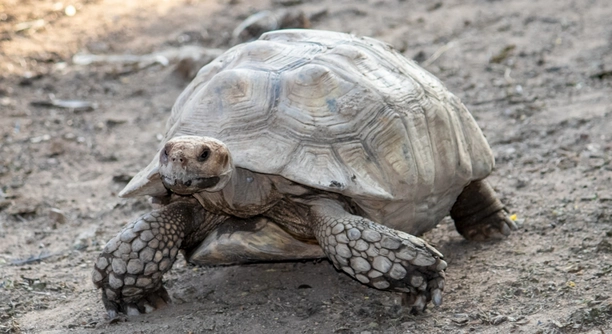
Keeping a tortoise entertained in a small enclosure can be challenging, but it is essential for their well-being. Providing stimulation is necessary to prevent boredom and encourage natural behaviors. Luckily, there are simple ways to keep them active.
To maintain a tortoise’s mental and physical health in a small enclosure, offer various environmental enrichments. Introduce toys, hiding spots, and textures to promote exploration. Regular interaction and a varied diet will also support a healthy, engaged tortoise.
With the right strategies, you can create an environment that supports your tortoise’s natural behaviors. These tips will help ensure your pet stays happy and healthy in a confined space.
Creating a Stimulating Environment for Your Tortoise
In a small enclosure, it’s important to simulate an environment that encourages natural behaviors. Adding different substrates, like soil, sand, or grass, provides variety for your tortoise to explore. Offering safe, non-toxic plants to nibble on will also engage them and create a more natural habitat. You can even use rocks, logs, or hides to promote climbing and burrowing. These simple additions can help keep your tortoise active and mentally stimulated, preventing boredom from settling in.
A well-designed enclosure gives your tortoise a sense of security while encouraging exploration. It’s crucial to regularly change up the layout and items in their space to keep their curiosity piqued.
Additionally, different textures are important in providing variety. Changing up surfaces helps to simulate outdoor environments and allows the tortoise to interact with its surroundings in a more dynamic way. Consider adding ramps or tunnels for climbing or hiding. Variety is key to keeping your tortoise engaged and healthy.
Providing Healthy Food Options
Food is one of the easiest ways to keep your tortoise entertained in a small space. Feeding time can become an event by offering different types of food and arranging them in new ways.
You can provide greens like kale, dandelion leaves, and clover, while also occasionally offering fruits such as strawberries or apples. Making food foraging a bit more difficult—by hiding it under leaves or within cardboard boxes—helps stimulate your tortoise’s natural hunting and foraging instincts. This makes feeding an interactive experience.
Food is an essential part of keeping your tortoise entertained. A little creativity during feeding can turn a routine task into an engaging activity. Consider rotating food types regularly and changing how you offer them. This helps your tortoise stay excited and active.
Providing Hiding Spots and Shelter
Tortoises enjoy having safe spaces to retreat to, especially in smaller enclosures. Simple hides made from rocks, plants, or logs can provide a sense of security. It’s essential to place them strategically to give your tortoise a place to relax when it feels stressed or needs some alone time.
Adding multiple hiding spots within the enclosure encourages exploration and helps reduce boredom. It also allows your tortoise to feel more in control of its environment, which is crucial for its overall well-being. Changing the position of hides can keep things interesting, ensuring your tortoise stays engaged with its surroundings.
Another option is to use clay or ceramic shelters that offer shelter and also mimic natural environments. These materials can maintain temperature and humidity levels, which is especially important for certain tortoise species. Hiding spots are crucial to providing both physical and psychological stimulation, contributing to your tortoise’s overall health.
Using Toys and Enrichment Tools
Toys are another great way to keep your tortoise entertained. You can use simple items like wooden blocks or PVC pipes that encourage interaction and provide variety. The goal is to allow your tortoise to explore its environment in a more playful way.
You can also introduce puzzle feeders that make your tortoise work for its food. These devices keep your pet mentally active and encourage problem-solving skills. Even a ball that rolls can entice your tortoise to chase and explore, providing both exercise and mental stimulation. The right toys can mimic natural behaviors, like foraging or moving through terrain.
Be sure to choose toys that are safe for your tortoise, avoiding small items it could accidentally swallow or materials that may cause harm. Regularly rotate the toys in the enclosure to keep things fresh and exciting. This will not only prevent boredom but will also encourage your tortoise to stay active and healthy.
Add Different Textures to the Enclosure
Variety in textures can stimulate your tortoise’s curiosity and engagement. Smooth surfaces might be boring, so adding rocks, rough branches, and leaves can encourage movement. Textures also provide opportunities for climbing, burrowing, or rubbing, mimicking natural behaviors and adding interest to a small space.
Including different textures allows your tortoise to experience a more varied environment. It’s also beneficial to place textured items near hiding spots, so your tortoise can interact with them while seeking shelter. This creates a dynamic environment that prevents stagnation and promotes both mental and physical stimulation.
Offer a Varied Diet
Changing up the diet of your tortoise keeps it engaged and interested. Offering a mix of greens, fruits, and vegetables can help prevent monotony. You can also hide food in different areas of the enclosure, encouraging your tortoise to search and forage, which adds to its mental enrichment.
Different foods also provide various textures and smells that stimulate your tortoise’s senses. Experiment with safe, seasonal foods to add variety. This can also help with health by ensuring your tortoise gets a balanced diet. The act of foraging and exploring new food sources prevents boredom.
Provide Sunlight and Heat Sources
Tortoises rely on heat and light to stay active and healthy. Placing a heat lamp or UVB light in their enclosure provides warmth, which encourages movement. Sunlight also supports vital processes like digestion and shell health, making it essential for your tortoise to get proper exposure.
Adjusting the placement of heat sources can also create different warm areas within the enclosure, allowing your tortoise to seek out the temperatures it prefers. Adding a basking area mimics natural sunbathing, which is important for maintaining optimal health. A consistent heat source is crucial to an active and healthy tortoise.
FAQ
How often should I change my tortoise’s enclosure setup?
Changing your tortoise’s enclosure setup regularly helps keep it mentally engaged. It’s not necessary to make drastic changes all the time, but rearranging the hiding spots, adding new textures, or switching toys every few weeks can prevent boredom. Regular adjustments allow your tortoise to explore and interact with its environment in new ways. Try to monitor its behavior and make changes when you notice signs of inactivity or stress. Additionally, if you notice the substrate or materials are getting dirty or worn out, it’s a good idea to refresh the setup to maintain a clean environment.
What are the best types of toys for a tortoise?
The best toys for a tortoise are simple and safe. Wooden blocks, rocks, and small PVC pipes can be excellent choices, as they allow for natural behaviors like climbing or pushing objects around. Some tortoises enjoy small balls or lightweight objects that they can chase. Always make sure the toys are large enough to prevent your tortoise from accidentally swallowing them. Avoid plastic toys that might break into small pieces. You can also use puzzle feeders, which will make your tortoise work for its food and engage both its mind and body.
Can I use live plants in my tortoise’s enclosure?
Yes, live plants can be beneficial to a tortoise’s enclosure. They provide hiding spots, textures, and even food. Many tortoises enjoy nibbling on edible plants like dandelions, clover, or hibiscus, which can add variety to their diet. However, it’s essential to research which plants are safe for your species. Avoid any toxic plants that could harm your tortoise. Live plants can also contribute to creating a more natural environment, but make sure to maintain them by trimming or replacing any that begin to die off.
Should I add water to the enclosure?
Yes, water is crucial for tortoises, even in small enclosures. Having a shallow water dish is essential for hydration and for soaking, which is vital for your tortoise’s health and shell condition. Some tortoises may need a small water source to help with digestion, while others may enjoy soaking themselves to regulate temperature. Ensure the water dish is shallow enough to prevent drowning. You should also change the water daily to maintain cleanliness. If your tortoise lives in a very dry environment, you might need to increase humidity to prevent dehydration.
How do I keep my tortoise active in a small space?
In a small enclosure, keeping your tortoise active can be a challenge, but it’s manageable. Providing objects to climb on, like logs or rocks, and placing food in different locations encourages movement. Rotating toys and creating new textures will keep things interesting. Regularly changing the layout of the enclosure ensures that your tortoise doesn’t fall into a routine that causes inactivity. Introducing hiding spots, along with a variety of objects, can encourage your tortoise to explore its space rather than just sit in one spot. Be sure the enclosure is large enough for your tortoise to move around comfortably, even in a small space.
Can I use a heat lamp instead of natural sunlight?
A heat lamp can effectively replicate the warmth of natural sunlight for your tortoise. UVB light is particularly important, as it helps your tortoise synthesize vitamin D, which is essential for calcium absorption and overall health. While natural sunlight is beneficial, a heat lamp with UVB rays can provide consistent warmth and light. If you cannot provide direct sunlight, placing your tortoise under a heat lamp for 10–12 hours a day can maintain its health. Just make sure that the lamp is not too close, as it can overheat the tortoise.
How can I prevent my tortoise from becoming stressed in a small enclosure?
Stress in a small enclosure can arise from boredom, inadequate hiding spaces, or improper environmental conditions. To reduce stress, make sure your tortoise has plenty of places to hide, explore, and climb. A variety of textures in the substrate, such as rocks, logs, or plants, can keep it engaged. Also, ensuring that the temperature and humidity are correctly maintained will help your tortoise feel comfortable. Limit excessive handling, as some tortoises may become stressed by constant interaction. If your tortoise seems stressed, consider adjusting the setup or increasing its enclosure size, if possible.
What should I do if my tortoise is not eating?
If your tortoise refuses to eat, it could be due to stress, environmental issues, or health problems. Start by checking the temperature and humidity levels in the enclosure. An incorrect temperature can reduce appetite. Make sure there’s enough variety in its diet, as tortoises can become bored with the same foods. If there’s no improvement, check for any signs of illness, such as lethargy or changes in behavior. If your tortoise continues to refuse food, it’s best to consult a vet specializing in reptiles to rule out any underlying health issues.
How can I keep my tortoise healthy in a small enclosure?
Keeping your tortoise healthy in a small enclosure requires providing the right temperature, humidity, diet, and enrichment. Ensure the space is large enough for movement, even if it’s a compact setup. Provide hiding spots, climbing surfaces, and a varied diet. Include a shallow water dish for hydration and soaking. Regularly clean the enclosure to prevent the buildup of bacteria. Make sure your tortoise gets access to UVB light for vitamin D synthesis. Maintaining the right conditions will help keep your tortoise physically and mentally healthy, even in a small space.
Final Thoughts
Keeping your tortoise entertained in a small enclosure can seem challenging, but it is possible with the right approach. By adding variety to the environment and introducing new textures, you can encourage natural behaviors like climbing and foraging. Simple changes like rearranging items in the enclosure or adding different types of rocks and logs can make a significant difference. Additionally, providing a varied diet can keep your tortoise engaged and satisfied. This not only ensures that your tortoise remains active but also promotes a healthy lifestyle in its compact space.
It’s also essential to create a proper balance of warmth and light in the enclosure. A heat lamp with UVB rays can replicate the benefits of sunlight, which is crucial for your tortoise’s overall health. Regular exposure to UVB helps with calcium absorption and shell health. Just like in the wild, your tortoise needs a consistent light cycle and an area where it can bask in warmth. This will encourage both physical activity and proper digestion.
Remember, small changes can have a big impact on your tortoise’s well-being. Even within a confined space, you can create an enriching environment that helps your tortoise stay active and happy. While it may require a bit more effort, adjusting the setup regularly and offering variety in food, texture, and activities will prevent your tortoise from becoming bored or stressed. Ensuring proper care and a stimulating environment is key to maintaining your tortoise’s health in a small enclosure.

Hello,
If you enjoy the content that we create, please consider saying a "Thank You!" by leaving a tip.
Every little bit helps us continue crafting quality advice that supports the health, happiness, and well-being of pets around the world, for pets of all shapes, sizes, and species.
We really appreciate the kindness and support that you show us!