
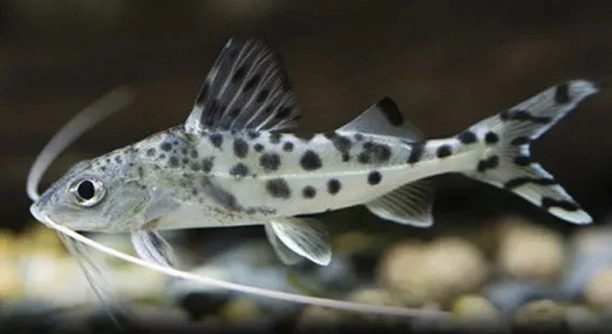
Keeping multiple Pictus catfish in one tank can be a rewarding experience for fish lovers. These active fish often share their space well, but some care is needed to keep them peaceful and healthy. Proper tank setup and management are key to success.
Maintaining peace among multiple Pictus involves providing enough space, hiding spots, and stable water conditions. Ensuring balanced feeding and monitoring their behavior helps reduce aggression and stress, promoting a calm environment for all fish involved.
Learning how to create a harmonious tank can improve your Pictus’ well-being and your enjoyment as an aquarist. Small changes in their environment often make a big difference in keeping the peace.
Setting Up the Tank for Multiple Pictus
Creating the right environment is essential when keeping several Pictus catfish together. They need plenty of space to swim freely because they are active swimmers. A tank size of at least 30 gallons is recommended for a small group. Adding plants and decorations helps create hiding spots where the fish can retreat if they feel stressed. Smooth gravel and driftwood also provide natural textures that Pictus enjoy. The water should be clean and well-filtered, with a temperature between 75 and 81°F. Regular water changes keep the tank healthy and reduce the chance of aggression. Lighting should be moderate, mimicking their natural river habitat, which helps keep them calm. By carefully planning the tank layout, you give your fish a peaceful environment where they can thrive together.
Regular tank maintenance plays a big role in keeping your Pictus calm and healthy.
Balanced water quality and a well-planned habitat reduce stress and prevent conflicts between fish, making your tank a peaceful place.
Managing Feeding and Behavior
Feeding multiple Pictus properly helps avoid competition and aggression. It’s important to offer food at different spots in the tank to make sure all fish get enough. They enjoy a diet of sinking pellets, frozen or live foods like bloodworms, and occasional vegetables. Overfeeding should be avoided because leftover food can pollute the water and upset fish behavior. Observing how your Pictus interact during feeding times can give clues about their social dynamics. If you notice chasing or bullying, it may be necessary to increase hiding spaces or add tank mates that balance the group. Keeping feeding routines consistent helps reduce stress and supports a calm community. Watching your Pictus settle into their environment with little fuss is rewarding and proves that careful care really matters.
Recognizing Signs of Stress and Aggression
Stress and aggression in Pictus often show through chasing, fin nipping, or hiding more than usual. These behaviors indicate that the fish may feel crowded or threatened. Watching closely helps catch problems early.
A sudden increase in chasing or nipping usually means the tank environment needs adjustment. Sometimes adding more hiding spots or rearranging decorations can reduce tension. It is also important to check water quality since poor conditions make fish more irritable. Stress can weaken their immune systems, leading to illness. Keeping the water clean and stable helps prevent these problems and supports peaceful behavior among tank mates.
If aggression continues despite changes, separating the most aggressive individuals may be necessary. This protects weaker fish and gives the group a better chance at harmony. Regular observation and quick action go a long way in maintaining a calm tank atmosphere.
Choosing Compatible Tank Mates
Selecting tank mates carefully is key for multiple Pictus to live peacefully. Avoid overly aggressive or very slow-moving fish that might become targets. Suitable companions share similar water requirements and temperaments.
Pictus do well with other medium-sized, peaceful fish such as tetras, rasboras, or peaceful barbs. Avoid large, territorial species that can stress or injure them. Bottom dwellers like Corydoras catfish also make good companions because they occupy different parts of the tank, reducing competition. Always introduce new fish slowly and monitor interactions closely to prevent problems. Matching activity levels and temperament keeps the tank balanced and reduces chances of conflict. Thoughtful pairing improves the overall health and happiness of all your aquatic pets.
Maintaining Water Quality
Clean water is crucial for keeping multiple Pictus healthy and peaceful. Regular testing and water changes prevent harmful buildup of toxins.
Using a reliable filter system ensures good water circulation and removes waste efficiently. This keeps the environment stable for your fish.
Providing Proper Lighting and Temperature
Pictus catfish thrive best under moderate lighting that mimics their natural habitat. Too bright or too dim light can cause stress and unusual behavior. Maintaining a temperature between 75 and 81°F helps keep them comfortable and active. Using a heater and thermometer ensures these conditions stay steady. Consistent lighting and temperature routines reduce stress and encourage peaceful interactions among your fish.
Observing Daily Behavior
Daily observation helps detect early signs of stress or illness. Watching your Pictus closely allows you to act quickly if problems arise.
How many Pictus catfish can I keep together in one tank?
The number of Pictus catfish you can keep together depends mainly on your tank size. For a group of three to five Pictus, a tank of at least 30 gallons is recommended. They are active swimmers and need enough space to move without feeling cramped. Overcrowding can lead to stress and aggression, so it’s best to keep the population moderate and provide plenty of hiding places.
What are common signs that my Pictus are stressed?
Stress signs include hiding more than usual, rapid breathing, chasing or nipping at each other, and loss of appetite. Sometimes, they might stay near the surface or become less active. These behaviors usually mean their environment is not ideal—water quality, tank size, or tank mates may need adjusting.
How often should I change the water in a Pictus tank?
A weekly water change of about 20-30% is ideal for tanks housing multiple Pictus. Regular partial changes help remove toxins like ammonia and nitrates, which can build up quickly. More frequent changes may be needed in smaller tanks or if the bioload is high.
Can Pictus catfish live with other species?
Yes, but compatibility is important. Choose peaceful, medium-sized fish with similar water needs. Avoid aggressive or very large fish that could bully or eat your Pictus. Bottom dwellers like Corydoras catfish make good tank mates because they occupy different areas of the tank, reducing competition.
What should I feed multiple Pictus catfish?
Feed a varied diet of sinking pellets, frozen or live foods such as bloodworms, brine shrimp, and occasional vegetable matter. Feed small amounts twice a day to avoid leftovers, which can pollute the water. Distributing food in different areas helps reduce competition and aggression during feeding time.
How can I reduce aggression among multiple Pictus?
Ensure the tank is spacious and provides plenty of hiding spots like plants and driftwood. Maintain good water quality and stable conditions. Avoid overcrowding and keep a consistent feeding routine. If aggression persists, consider rearranging the tank or separating the most aggressive fish temporarily.
What temperature do multiple Pictus prefer?
Pictus catfish thrive between 75 and 81°F. Keeping a steady temperature within this range is important to reduce stress. Use a heater and thermometer to monitor and maintain stable conditions.
Do Pictus catfish need special lighting?
Moderate lighting works best. Too bright lighting can stress Pictus because they prefer shaded, dim environments similar to their natural habitat. Use floating plants or dimmers to soften light if needed.
How do I tell if my Pictus are healthy?
Healthy Pictus are active, have clear eyes, intact fins, and smooth scales. They swim freely and show interest in food. Any sudden changes in behavior, appearance, or appetite should be checked promptly to avoid disease spreading.
Can Pictus catfish breed in a community tank?
Breeding Pictus catfish in a community tank is rare because they need specific conditions and privacy. They tend to scatter eggs and may eat them if disturbed. Separate breeding tanks with controlled conditions increase the chances of successful spawning.
What should I do if my Pictus catfish get sick?
Isolate sick fish to prevent disease spread. Check water quality first, as poor conditions often cause illness. Consult a veterinarian or aquarium specialist for diagnosis and treatment. Common issues include fungal infections, parasites, and bacterial diseases.
How long do Pictus catfish usually live?
With proper care, Pictus catfish can live 8 to 10 years in captivity. Stable tank conditions, good diet, and low stress contribute to their longevity.
Is it necessary to have a tank lid with multiple Pictus?
Yes, Pictus catfish are known to jump, especially if stressed or startled. A secure lid prevents escapes and accidents. Make sure it allows for good airflow and light penetration.
How do I introduce new Pictus to an existing tank?
Add new fish slowly and monitor their interactions closely. Quarantine new arrivals before introduction to reduce disease risk. Rearrange decorations to disrupt established territories, which helps lower aggression when new fish join.
Can Pictus catfish live with shrimp or snails?
Pictus may see smaller shrimp as food, so they are not always safe tank mates. Larger snails usually do fine, but always watch for signs of predation or stress. If you want invertebrates, provide plenty of hiding spots.
These answers cover many common concerns when keeping multiple Pictus catfish together. Proper care and attention go a long way in creating a peaceful and thriving aquarium environment.
Keeping multiple Pictus catfish together can be very rewarding when done right. These fish are active and social, but they do need the right space and conditions to live peacefully. Providing a tank that is large enough with plenty of hiding spots helps reduce stress and aggression. Regular maintenance like water changes and monitoring water quality also plays a big role in their health. By understanding their needs and habits, you create a better home for your fish.
Feeding your Pictus properly and managing their environment are important steps in keeping the peace. Offering food in several places and maintaining a steady routine prevents competition and fights during feeding time. Watching their behavior regularly allows you to notice signs of stress or illness early. If aggression arises, small changes such as rearranging decorations or adding more hiding spots can help calm the tank. Sometimes, adjusting the number of fish or their tank mates might be necessary for balance.
In the end, patience and attention are key. Each Pictus catfish has its own personality, and it may take some time for them to settle in a group. Careful planning and consistent care make a big difference in how well your fish get along. By focusing on their environment, diet, and social behavior, you can enjoy watching your Pictus thrive in a peaceful community tank. This effort leads to a healthy and happy aquarium that brings you lasting enjoyment.

Hello,
If you enjoy the content that we create, please consider saying a "Thank You!" by leaving a tip.
Every little bit helps us continue crafting quality advice that supports the health, happiness, and well-being of pets around the world, for pets of all shapes, sizes, and species.
We really appreciate the kindness and support that you show us!