
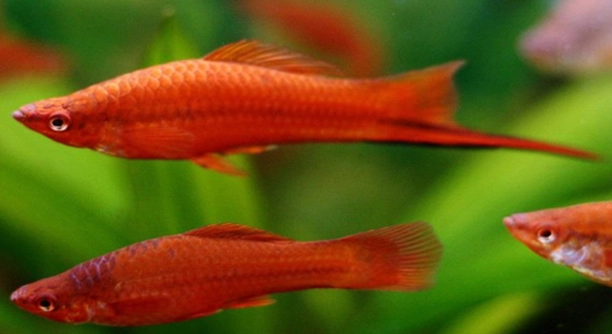
Is your swordtail fish showing signs of stress or erratic behavior whenever a storm rolls in? You’re not alone—many fish keepers notice changes during bad weather. Understanding how to manage this helps keep your fish calm and healthy.
The most effective way to keep swordtails calm during storms is to minimize environmental stressors. Dim the lights, reduce noise, and maintain stable water conditions. These steps help create a secure, consistent habitat that reduces storm-related anxiety in fish.
Simple adjustments to their environment can make a big difference during stormy weather, helping your swordtails stay relaxed and comfortable.
Recognizing Storm Stress in Swordtails
Storm-related stress in swordtails can show up as sudden hiding, erratic swimming, loss of appetite, or a change in color. These behaviors often begin just before or during a storm and may continue until the environment feels stable again.
Barometric pressure drops can impact fish behavior, often making swordtails more anxious. Their internal systems react to these shifts, especially if their environment already has minor stressors. Sudden noises, dimming daylight, or changes in water conditions during storms can heighten this stress. Observing your fish helps identify patterns and signals. If they retreat more often or act jumpy, it’s usually a sign of discomfort. Swordtails may also cluster near the bottom or behind plants. Understanding their reactions makes it easier to adjust their environment and reduce triggers. This ensures they feel more secure and recover quickly after the storm has passed.
Sometimes, stress signs can be subtle. You may notice slower swimming or a refusal to interact with other fish. Even slight changes in routine behavior can be linked to the storm. Regular tank observation helps catch these signs early. When you understand how storms affect your swordtail, you can respond before the stress becomes more serious or affects their long-term health.
Creating a Calm Tank Environment
Keep lighting low and stable during storms. Sudden flashes or bright lights can raise stress levels. Use soft, ambient lighting and avoid turning lights on and off quickly. Calming consistency works better than total darkness or flickering changes.
Noise control is also important. Storms often bring loud sounds that can transfer through walls and water. Placing the tank away from windows, turning off loud electronics nearby, and using a tank cover can reduce disturbances. Adding plants or hiding spaces inside the aquarium gives swordtails safe areas to retreat. These additions help them feel secure when external stress rises. It’s also important to check the water temperature and filtration system during bad weather. Power interruptions can lead to water instability, which increases stress. Consider using battery backups for essential tank equipment. A consistent environment helps your swordtails stay calm during storms and bounce back quickly once the weather improves.
Using Natural Tank Additions
Live plants help create a more peaceful space by giving swordtails hiding spots and lowering light intensity. Plants like Java fern or Anubias are easy to care for and can soften movement in the tank, which helps reduce nervous behavior.
Driftwood and smooth rocks also support calm behavior by creating shelter and breaking line of sight between fish. These elements add structure without raising stress levels. Avoid sharp decorations that can injure or intimidate your swordtails during moments of panic.
Managing Tank Mates During Storms
Some fish are more reactive during storms and may become territorial or skittish. This can upset swordtails already stressed by changing conditions. Monitor their interactions and separate aggressive species if needed. A divided tank or breeder box can help. Keep feeding routines consistent to avoid adding extra stress. Uneaten food should be removed to prevent water quality issues. Swordtails do best with peaceful tank mates that give them space. During storms, the extra tension in the tank can trigger aggression, so it’s better to maintain a calm group dynamic until conditions improve.
Monitoring Behavior After the Storm
After the storm ends, keep a close eye on how your swordtails behave. Signs of lingering stress may include hiding, dull color, or reduced appetite. Gradual recovery is normal, but ongoing changes may need attention.
FAQ
Can swordtails sense a storm before it starts?
Yes, swordtails can often sense a storm before it arrives. Changes in barometric pressure and light levels can affect their behavior. You might notice them becoming more skittish, hiding more often, or swimming erratically even before you hear thunder. This sensitivity is a natural instinct that helps them respond to environmental changes. Paying attention to these early signals allows you to prepare the tank in advance. Lowering lights, reducing noise, and making the environment stable before the storm hits can help keep them calm.
What kind of lighting works best during storms?
Use soft, low lighting during storms. Avoid sudden brightness or flashing lights, as these can scare your swordtails. A dim room light or a covered tank light works well. You can also use a background light behind the tank for a more natural, soft glow. Avoid completely turning off all lights unless the room stays naturally dim, as this can cause confusion or panic. Consistent, calm lighting helps reduce anxiety and keeps your swordtails from reacting to storm flashes outside the tank.
How can I tell if my swordtails are stressed during a storm?
Look for behaviors like hiding behind decorations or staying low in the tank. Stress may also cause them to lose color, swim quickly without purpose, or stop eating. Some may separate from the group or appear to be gasping at the surface. These are signs they’re feeling uneasy. Keeping a routine and watching how they normally act will help you notice even small changes. If these behaviors only happen during or just before storms, it’s likely storm-related stress.
Do I need to feed swordtails during a storm?
Yes, but keep it simple. Feed them as you normally would, but avoid overfeeding. Swordtails under stress might eat less, and uneaten food can pollute the water. Stick to a small, regular feeding schedule and remove any leftovers after ten minutes. If they don’t eat during the storm, wait until they’re calm again and try later. Keeping a routine is helpful, even if they skip a meal. Most swordtails will eat normally once their stress levels go down.
What happens if the power goes out during a storm?
Without power, filtration, aeration, and heaters stop working. This can cause water temperature and quality to change quickly. Use a battery-powered air pump if possible. Wrap the tank in a blanket to hold warmth. Avoid feeding until the power returns, as uneaten food can worsen the situation. If the outage lasts more than a few hours, partial water changes with temperature-matched water can help. Check the water often and restore normal function as soon as possible. Having a backup plan is important to prevent long-term stress or health issues.
Can tank mates affect swordtail behavior during storms?
Yes. If other fish are aggressive or easily stressed, their behavior can impact swordtails. Loud or quick movements from other fish may make swordtails feel unsafe. Some species become territorial or chase others when stressed. Make sure your tank community is peaceful, especially during bad weather. Watching how the group interacts during storms can help you decide if changes are needed. Adding plants or decorations that offer separation helps reduce conflict.
Do swordtails need special water changes after storms?
Not usually, but you should test the water if the tank equipment was off or if behavior hasn’t returned to normal. Storms don’t directly affect water quality, but stress, skipped feedings, or power issues can cause changes. A small, gentle water change can help reset conditions if needed. Avoid major adjustments unless something is clearly off, as sudden changes may add more stress. Regular water maintenance before and after a storm helps prevent most problems.
Is it safe to cover the tank during a storm?
Yes, covering the tank can reduce sudden flashes and noise. Use a light towel or blanket, but make sure there’s still airflow. Don’t block the filter or heater. Covering helps create a calm space, especially if the tank is near a window or loud area. Remove the cover gradually after the storm passes so light and movement return slowly. This can help your swordtails adjust more comfortably without getting startled.
Final Thoughts
Keeping swordtails calm during storms takes some preparation and observation. These fish are sensitive to changes in light, sound, and pressure, and even a small storm can affect how they behave. By creating a quiet, stable environment with steady lighting and hiding spots, you give your swordtails a better chance to feel safe. Simple changes like dimming the lights, turning down loud noises, and avoiding sudden movements around the tank can make a big difference. Consistency is important, and keeping a regular schedule before, during, and after the storm helps reduce confusion and stress.
Watching your swordtails closely during storms helps you learn what works best for them. Every fish may respond a little differently, but common signs of stress include hiding, darting around, or refusing to eat. Noticing these changes early can guide you to make small adjustments that help. This might mean adding more plants, rearranging decorations, or even adjusting tank mates if needed. If power outages are common in your area, having a backup air pump and a plan for keeping the tank warm can prevent problems and keep your swordtails safe. Little steps like these help protect their health and support a peaceful tank environment.
Over time, your swordtails may grow more used to storms if their space feels secure and calm. They may still react at first, but with the right setup, they’ll settle down faster. Regular maintenance, balanced feeding, and a peaceful tank community all work together to lower overall stress levels. By making these things part of your routine, storms won’t feel as disruptive for you or your fish. Even though you can’t control the weather, you can create a space that helps your swordtails stay calm when it matters most. Small, thoughtful changes go a long way in keeping them safe, healthy, and at ease.

Hello,
If you enjoy the content that we create, please consider saying a "Thank You!" by leaving a tip.
Every little bit helps us continue crafting quality advice that supports the health, happiness, and well-being of pets around the world, for pets of all shapes, sizes, and species.
We really appreciate the kindness and support that you show us!