
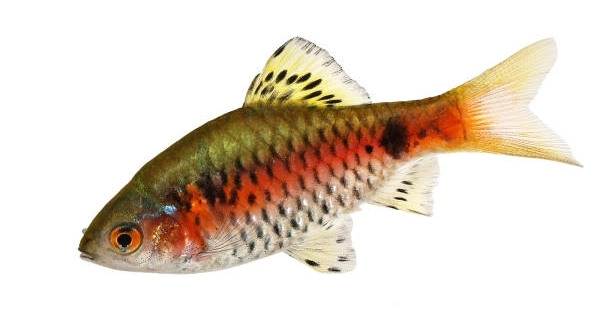
Rosy Barbs are beautiful and active fish that can become stressed during storms. Sudden changes in pressure and light can disturb their calm behavior. Keeping them comfortable helps maintain their health and vibrant colors during such times.
The best way to keep Rosy Barbs calm during a storm is by minimizing environmental disturbances. This includes maintaining stable water temperature, reducing sudden movements or loud noises near the tank, and dimming the tank lights to simulate a natural, calm environment.
Understanding how to create a peaceful setting for your Rosy Barbs will help them stay healthy and happy when the weather turns rough. This guide offers practical steps to manage their care effectively.
Preparing the Tank Before a Storm
Preparing your tank ahead of a storm helps reduce stress for your Rosy Barbs. Start by checking the water temperature and making sure it is stable. Sudden drops or rises in temperature can shock the fish. Use a reliable heater or chiller if needed to maintain a steady range between 74°F and 79°F. Next, clean the tank but avoid overdoing it just before the storm. Over-cleaning can remove beneficial bacteria that help keep the water healthy. It is also a good idea to test the water parameters such as pH and ammonia levels to ensure they are within safe limits. Adding a small amount of aquarium salt can help reduce stress and improve fish health during turbulent weather. Finally, secure the tank lid tightly to prevent any accidental splashing or fish jumping if the power goes out.
Keeping the tank prepared makes the environment more predictable and safe during sudden weather changes. This stability supports the well-being of your fish.
Proper tank preparation before storms limits environmental shock and promotes steady living conditions for Rosy Barbs. Small steps taken early can prevent big problems later, ensuring your fish remain calm and healthy.
Minimizing Noise and Light Disturbances
Rosy Barbs are sensitive to loud noises and sudden bright lights, which increase their stress during storms.
Noise from thunder or household activity can startle the fish, causing erratic swimming or hiding. To reduce this, place the tank away from windows or exterior walls where sound is louder. Using a thick curtain or soundproof panel nearby can help dampen noise. For lighting, avoid sudden bright flashes caused by lightning or indoor lights. Dimming the tank lights or using a timer to simulate a natural day-night cycle can ease stress. Keeping the environment calm and quiet during storms helps the fish maintain normal behavior. Remember that these small adjustments create a safe space that supports their comfort and health during disruptive weather.
Feeding Adjustments During Storms
It’s important to adjust feeding routines during storms to reduce stress on Rosy Barbs. Feeding less or skipping a meal can help prevent water quality issues caused by leftover food.
Overfeeding during stressful times can lead to water pollution, which worsens fish health. Rosy Barbs’ digestion may slow down when they are stressed, so they might not process food well. Providing smaller, more frequent meals instead of one large feeding helps them digest better and reduces waste buildup. Remove any uneaten food quickly to maintain clean water. Maintaining good water quality is critical during storms because fish are more vulnerable to changes. Adjusting feeding keeps both the fish and the tank environment stable, helping Rosy Barbs stay calm and healthy.
Using high-quality, easy-to-digest food during this time can also support the immune system. Avoid sudden changes in diet, as this might increase stress rather than reduce it.
Monitoring Behavior and Health
Watch your Rosy Barbs closely for signs of stress during storms. Look for unusual hiding, rapid breathing, or loss of color, which may indicate discomfort.
Behavior changes can signal water quality issues or health problems. If you notice any of these signs, test water parameters immediately and make corrections if needed. Keep an eye on tank mates as well since aggression may increase under stress. Maintaining stable water conditions, regular feeding, and a calm environment are essential to preventing illness. If a fish appears weak or shows physical signs like clamped fins or spots, consider isolating it to prevent disease spread. Early detection and prompt action can save your fish from serious problems during stormy weather. Always keep emergency supplies like water conditioners and test kits ready for such occasions.
Using Plants and Decorations for Comfort
Adding live plants and decorations provides hiding spots for Rosy Barbs during storms. These areas give fish a sense of security and reduce stress.
Plants also improve water quality by absorbing harmful substances. Soft, natural decorations mimic their habitat, helping them feel more at ease.
Maintaining Water Quality During Storms
Keeping water quality stable is critical when weather changes. Frequent water testing and partial water changes help remove toxins that can build up quickly during stressful times. Using a reliable filtration system supports this effort by keeping the water clean and oxygenated. Avoid changing too much water at once, as sudden shifts in water parameters can add stress. Maintaining a consistent routine of testing and care during storms prevents problems before they start and supports your fish’s health.
Avoiding Sudden Changes
Sudden changes in tank conditions can increase stress. Avoid abrupt temperature shifts, lighting changes, or quick moves of the aquarium.
Keeping conditions steady helps Rosy Barbs stay calm and comfortable during storms.
FAQ
How do I know if my Rosy Barbs are stressed during a storm?
Signs of stress include hiding more than usual, erratic swimming, loss of color, or rapid gill movement. They may cling to plants or decorations and show less interest in food. Watching these behaviors closely helps you respond quickly to their needs.
Can I use a heater during a storm to keep the temperature steady?
Yes, using a heater is helpful if your home temperature drops. Make sure the heater is reliable and set it to maintain a consistent temperature between 74°F and 79°F. Avoid sudden temperature changes by monitoring it frequently.
Should I turn off the aquarium lights during a storm?
It’s best to dim or turn off the lights if the storm causes flickering or sudden bright flashes. Soft lighting mimics natural conditions and helps reduce stress. However, don’t leave the tank completely dark for long periods, as fish need a day-night cycle.
Is it safe to add aquarium salt during storms?
Adding a small amount of aquarium salt can help reduce stress and support gill function. Use the recommended dosage on the package carefully. Too much salt can harm the fish and plants, so moderation is important.
What if the power goes out during a storm?
If the power goes out, keep the tank covered to maintain warmth and reduce water evaporation. Avoid opening the lid often to keep the oxygen level stable. If possible, use a battery-operated air pump or a portable power source to maintain oxygen.
How often should I test the water during stormy weather?
Testing water parameters daily during storms is ideal. Focus on ammonia, nitrite, nitrate, and pH levels. This helps catch any issues early, allowing you to make small corrections before they harm your fish.
Can I feed my Rosy Barbs less during storms?
Yes, reducing feeding or skipping a meal helps maintain water quality. Fish may eat less when stressed, so giving smaller portions is better. Remove uneaten food promptly to prevent water pollution.
What types of food are best during stressful weather?
Choose high-quality, easy-to-digest foods like flakes or pellets designed for tropical fish. Avoid sudden diet changes, as this can add stress. Including some live or frozen foods occasionally supports immune health.
Are there any decorations that should be avoided during storms?
Avoid sharp or rough decorations that can injure stressed fish. Stick to smooth rocks, plants, or soft plastic decor. Providing plenty of hiding spots helps reduce anxiety without risking injury.
Can other fish affect Rosy Barbs’ stress levels during storms?
Yes, aggressive tank mates can increase stress. Watch interactions carefully, especially if your tank has mixed species. Separating aggressive fish or creating more hiding spaces can help keep peace in the tank.
Is it necessary to do water changes during a storm?
Partial water changes are important but should be done carefully. Avoid large changes that cause sudden shifts in water parameters. Small, frequent water changes maintain cleanliness without shocking the fish.
How do I calm my Rosy Barbs if they seem agitated?
Reduce noise, dim the lights, and avoid sudden movements near the tank. Adding live plants or decorations for hiding also helps. Keeping the environment quiet and stable is key to calming them.
What temperature fluctuations are harmful to Rosy Barbs?
Temperature swings greater than 2-3°F can cause stress. Maintaining a stable range between 74°F and 79°F is best. Rapid changes may weaken their immune system and increase illness risk.
Can cloudy water be a sign of storm-related stress?
Yes, cloudy water often indicates bacterial bloom or poor filtration, which can worsen during storms. Regular maintenance and avoiding overfeeding help prevent this problem.
How long does it take for Rosy Barbs to recover after a storm?
Recovery time varies but usually takes a few days if the environment returns to normal. Maintaining steady water conditions and minimizing stress helps speed up their return to normal behavior.
Should I consider moving my Rosy Barbs to a different tank during stormy weather?
Moving fish can increase stress and should be avoided unless absolutely necessary. It’s better to improve conditions in their current tank rather than risking the stress of relocation.
Keeping Rosy Barbs calm during a storm requires attention to their environment and behavior. Storms can cause sudden changes in pressure, light, and noise that disturb the fish. By preparing the tank ahead of time and minimizing these disturbances, you create a stable space where the fish can feel secure. Stable water temperature, clean water, and a quiet setting all help reduce stress. Even small adjustments, like dimming the lights or adding plants for hiding, make a difference in how comfortable your Rosy Barbs are during bad weather.
Feeding habits also play an important role in maintaining calmness. Overfeeding or feeding large amounts during storms can lead to leftover food, which pollutes the water and adds stress to the fish. It is best to give smaller portions or skip a feeding if necessary. Choosing easy-to-digest food supports their health when they are already vulnerable. Watching their behavior closely allows you to spot signs of stress early, such as hiding or loss of color, and take action quickly. Testing the water regularly and keeping the tank clean prevent issues before they grow worse.
In times of stormy weather, consistency is key. Avoid sudden changes in tank conditions, whether that means temperature, lighting, or moving decorations. Keeping things steady helps your Rosy Barbs maintain normal routines and reduces anxiety. If the power goes out, simple steps like covering the tank or using a battery-powered pump can protect the fish. Providing a calm, secure environment allows Rosy Barbs to better cope with the changes outside. With proper care and attention, your fish will stay healthy and calm even when storms arrive.

Hello,
If you enjoy the content that we create, please consider saying a "Thank You!" by leaving a tip.
Every little bit helps us continue crafting quality advice that supports the health, happiness, and well-being of pets around the world, for pets of all shapes, sizes, and species.
We really appreciate the kindness and support that you show us!