
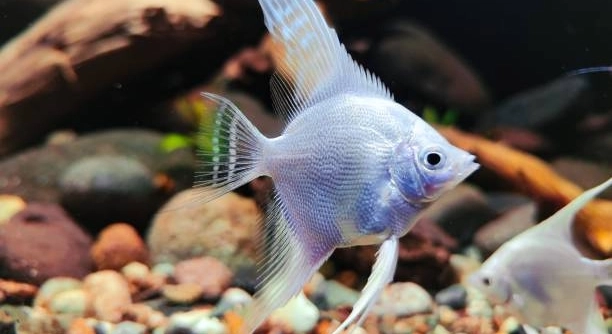
Keeping baby angelfish healthy and thriving can be challenging, especially for first-time fish keepers. Their delicate nature requires attention to detail, from water conditions to their feeding habits. Understanding their needs is crucial to their survival.
To keep baby angelfish alive, it is essential to maintain stable water conditions, provide proper nutrition, and avoid overfeeding. Regular water changes, proper filtration, and careful monitoring of tank temperature and pH levels are vital for their health.
By following these tips, you can help your baby angelfish grow into healthy adults. Understanding their care needs will ensure their well-being.
1. Maintain Stable Water Conditions
Keeping water conditions stable is one of the most important aspects of caring for baby angelfish. These fish are sensitive to changes in temperature, pH, and water hardness. Any fluctuation can cause stress, which may affect their growth and overall health. It’s essential to regularly monitor the water’s temperature, ensuring it stays between 76°F and 82°F. The pH level should be kept slightly acidic, ideally between 6.5 and 7.0.
Proper filtration is also key to maintaining water quality. A good filter will help remove excess waste, which can affect the water’s chemistry. If possible, invest in a filter with an adjustable flow rate, as baby angelfish can be easily swept away in strong currents.
You can also use water conditioners to neutralize harmful substances in tap water, ensuring that it’s safe for your fish. Regular water changes—about 20% every week—are crucial to keeping the water fresh and free of toxins.
2. Feeding Baby Angelfish Properly
Feeding baby angelfish requires attention to detail. Start by offering high-quality food designed for fry, such as finely ground flakes, micro-pellets, or live baby brine shrimp.
Baby angelfish have small mouths, so the food should be appropriately sized. Overfeeding can lead to water pollution, which affects their health. Small, frequent feedings are best to ensure they get the right amount of nutrition.
3. Monitor Tank Temperature
The water temperature should be kept between 76°F and 82°F for baby angelfish. Fluctuating temperatures can stress the fish, making them more susceptible to illness.
A reliable aquarium heater is essential for maintaining a stable temperature. Make sure the heater is sized correctly for your tank. It’s a good idea to place a thermometer in the tank to regularly check the temperature and ensure it remains consistent. If the temperature drops too low or rises too high, it can slow their growth or even kill them.
Temperature consistency is also key to ensuring their immune system functions well. Avoid placing the tank near windows or areas where sunlight can cause sudden temperature changes.
4. Keep the Tank Clean
Regular cleaning is essential for baby angelfish. Leftover food and fish waste can pollute the water and lead to dangerous spikes in toxins.
Clean the tank weekly, removing any debris from the substrate and wiping the glass. Use a gravel vacuum to clean the bottom of the tank and remove any uneaten food or waste. This helps maintain water quality and reduces the risk of infections.
Be mindful not to clean the filter too often. Overcleaning can disrupt beneficial bacteria, which are vital for maintaining a healthy tank environment.
5. Avoid Overcrowding the Tank
Overcrowding can lead to poor water quality and stress for baby angelfish. Limit the number of fish in your tank to ensure they have enough space to grow and thrive.
Baby angelfish should have at least 10 gallons of water per pair. Overcrowding leads to competition for food and can cause aggression among the fish, affecting their health.
A properly sized tank will help maintain water quality and reduce the risk of diseases spreading between fish.
6. Provide Hiding Spots
Baby angelfish need hiding spots to feel secure. They can be shy and will often seek refuge from the light or larger tankmates.
Add plants, rocks, or small decorations that create hiding spots. These offer safety, allowing the angelfish to explore and grow without constant stress.
FAQ
How do I know if my baby angelfish are healthy?
Healthy baby angelfish will have vibrant color and clear, unclouded eyes. They should be swimming actively and eating regularly. Look out for any signs of lethargy, faded color, or loss of appetite, as these can indicate stress or illness. If they seem lethargic or are hanging near the surface, it could signal a problem with water conditions or temperature.
Additionally, ensure they have a clean environment. Over time, you’ll get to know their behavior and can spot any issues early on. Monitoring their growth and behavior is key to detecting health problems.
What should I feed my baby angelfish?
Baby angelfish need a diet rich in protein to grow strong and healthy. Start with high-quality fry food like finely ground flakes, micro-pellets, or live baby brine shrimp. Offer small portions multiple times a day, ensuring the food is small enough for their mouths.
As they grow, you can introduce other food options like frozen daphnia, bloodworms, or finely chopped vegetables like zucchini. Overfeeding can lead to water pollution, so make sure to remove any uneaten food promptly.
Can I keep baby angelfish with other fish?
It’s important to choose tank mates carefully. Baby angelfish can be kept with other peaceful species, but avoid aggressive or fast-moving fish that may stress them. Guppies, tetras, and other small, non-aggressive species are good companions.
However, avoid housing baby angelfish with larger or more dominant fish, as they may compete for food or even harm the smaller angelfish. Ensure that the tank is large enough for all the fish to have their space.
How do I maintain the water quality for baby angelfish?
Maintaining water quality is essential for the health of your baby angelfish. Perform regular water changes, at least 20% of the tank volume each week, to keep the water clean and free of toxins.
Ensure the filter is working efficiently and avoid overfeeding, as leftover food can degrade water quality. It’s also helpful to test the water for ammonia, nitrites, and nitrates regularly. Use a good quality water conditioner to remove chlorine or chloramine from tap water before adding it to the tank.
Why are my baby angelfish turning pale?
Paleness in baby angelfish can be a sign of stress, poor water quality, or an underlying illness. Ensure that the water temperature, pH, and ammonia levels are within acceptable ranges.
Stress from aggressive tankmates or overcrowding can also cause them to lose their color. If the issue persists despite proper care, you may need to consider quarantining the fish or consulting an expert to rule out disease.
How often should I feed baby angelfish?
Baby angelfish should be fed small meals three to four times a day. Overfeeding can lead to water pollution and health issues.
Start by offering small amounts of finely ground food and adjust as they grow. You can also provide live food, such as baby brine shrimp, to mimic their natural diet. Be mindful of removing any leftover food after feeding to maintain water quality.
Can I use tap water for my baby angelfish tank?
You can use tap water, but it must be treated before adding it to the tank. Tap water often contains chlorine or chloramine, which are harmful to fish. Use a water conditioner to neutralize these chemicals before introducing the water to your tank.
It’s also important to monitor the pH, hardness, and temperature of the tap water to ensure it’s suitable for your baby angelfish. Regular water testing will help you maintain the right conditions.
What’s the best tank size for baby angelfish?
For baby angelfish, a tank size of at least 10 gallons per pair is recommended. They need enough space to swim and grow. Overcrowding a small tank can lead to poor water quality and stress.
As they grow, you may need to upgrade to a larger tank to accommodate their size. A 20 to 30-gallon tank will provide more space for them to thrive. A bigger tank also allows for better filtration and easier maintenance.
How do I prevent my baby angelfish from getting sick?
Preventing illness involves maintaining clean water, feeding a balanced diet, and avoiding overcrowding. Regular water changes, proper filtration, and monitoring water parameters are key.
Additionally, avoid introducing sick fish to your tank and quarantine new arrivals for a couple of weeks. Stress is a common factor in fish diseases, so it’s important to minimize any changes that could cause stress, such as drastic temperature shifts or aggressive tankmates.
Can baby angelfish survive without a filter?
While it is possible for baby angelfish to survive in a tank without a filter, it is not recommended. A filter helps maintain clean water by removing waste and toxins. Without a filter, you’ll need to perform more frequent water changes to keep the environment safe for your fish.
A filter also helps oxygenate the water, which is vital for their health. If you do decide to go without a filter, make sure the tank is large enough and that you’re performing regular water maintenance to keep the water quality in check.
Final Thoughts
Taking care of baby angelfish requires attention to detail and a commitment to providing the right environment for them to thrive. By maintaining stable water conditions, providing appropriate food, and ensuring that the tank is free of stressors, you will give your angelfish the best chance for healthy growth. Regular water changes, proper filtration, and monitoring tank temperature are essential steps in their care. These measures help prevent common issues like disease or poor water quality, which can seriously affect their health.
In addition to the technical aspects, the choice of tankmates and tank size plays a major role in the well-being of your baby angelfish. Avoid overcrowding and make sure the fish are in a peaceful environment to minimize stress. Selecting compatible fish and keeping their tank environment calm will help them feel secure and allow them to grow properly. Providing hiding spots, such as plants and decorations, can also give your angelfish a place to retreat if they feel threatened or stressed. This sense of security is important for their overall development.
Lastly, remember that patience is key when raising baby angelfish. They require time to grow and adjust to their surroundings. If you provide the proper care, they will reward you with their beauty and lively behavior. Being consistent in monitoring their health and environment will go a long way toward ensuring that your baby angelfish develop into vibrant, adult fish. By following these tips, you can enjoy watching them grow into healthy, strong fish that will thrive in your aquarium for years to come.

Hello,
If you enjoy the content that we create, please consider saying a "Thank You!" by leaving a tip.
Every little bit helps us continue crafting quality advice that supports the health, happiness, and well-being of pets around the world, for pets of all shapes, sizes, and species.
We really appreciate the kindness and support that you show us!