
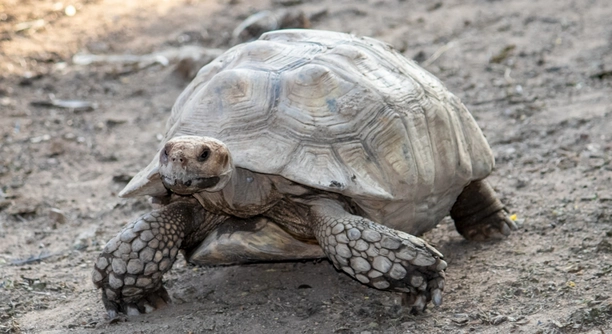
When a heatwave strikes, it’s essential to ensure your tortoise stays safe. The high temperatures can lead to dehydration and heat stress, which are dangerous for their well-being. Understanding how to care for them during extreme heat is crucial.
The best way to keep your tortoise safe during a heatwave is by providing ample shade, fresh water, and a cooler environment. Avoid exposure to direct sunlight, and offer a safe, shaded area where they can retreat to stay cool and hydrated.
Implementing these strategies will help protect your tortoise from the harmful effects of high temperatures.
Provide Shade and Shelter
Tortoises are highly sensitive to heat, so keeping them in shaded areas is essential during a heatwave. If they are exposed to direct sunlight for too long, they can quickly become overheated. Create shaded spaces using natural elements like bushes or trees, or set up a tarp or umbrella in their enclosure. A shaded hide can provide a cool, protected spot where they can retreat when they need to escape the heat. Ensure the shaded area is large enough to offer comfort and safety.
Providing an insulated hide also helps them feel secure.
Consider adding a small shelter made of wood or plastic that offers shade and protection from the elements. This space should be large enough to accommodate your tortoise comfortably and keep them out of extreme temperatures. It’s best to keep their shelter dry and well-ventilated to avoid dampness and mold.
Hydration is Key
Keeping your tortoise hydrated is essential in high heat. During a heatwave, dehydration can happen quickly. Offer fresh water multiple times a day and place a shallow water dish in their enclosure so they can drink whenever needed.
Additionally, misting the tortoise and its environment lightly can help maintain moisture levels. Misting creates a cooling effect that reduces the chances of overheating. Be sure not to saturate them, though. Avoid using overly cold water, as this can cause shock. Keeping a steady supply of fresh water will support their overall health.
Adjust Feeding Times
Feeding your tortoise during a heatwave requires some adjustments. Avoid feeding them during the hottest part of the day, typically between noon and 3 p.m. Instead, feed them early in the morning or later in the evening when temperatures are lower.
By adjusting their feeding schedule, you allow your tortoise to eat without the risk of overheating. The heat can affect their digestion, making it harder for them to process food efficiently. This could lead to stress and digestive problems, so shifting their feeding routine ensures they remain comfortable and healthy during extreme heat.
Avoid giving heavy meals during a heatwave. Focus on offering light, easily digestible foods like leafy greens and vegetables that don’t require too much energy to process. Large meals can increase the chances of overheating as your tortoise’s body uses more energy to digest them. Smaller, frequent meals are better during hot conditions, as they can help maintain your tortoise’s health and reduce stress.
Monitor Temperature
It’s crucial to monitor the temperature in your tortoise’s environment regularly. Using a thermometer will give you an accurate reading of how hot it is inside their enclosure. Aim for a temperature between 75°F and 85°F (24°C to 29°C), which is comfortable for most species of tortoises.
A higher temperature can lead to overheating, while a cooler environment may affect their ability to regulate body temperature. It’s important to adjust the shade and water supply as needed to keep the environment stable. If temperatures rise too much, consider moving your tortoise to a cooler location or using fans to circulate air and prevent the enclosure from becoming too hot.
Avoid Direct Sunlight
Direct sunlight during a heatwave can quickly overwhelm your tortoise. Ensure that they have access to shaded areas throughout the day. If they are kept outdoors, make sure they can retreat to a spot where the sun won’t affect them directly.
Too much exposure to the sun leads to overheating. Create a cool space where your tortoise can relax, away from the harsh rays. Direct sunlight can make it difficult for them to stay comfortable, leading to dehydration or heat stress. Keeping them shaded during extreme heat is the safest option.
Provide a Cool, Damp Area
A cool, damp area within their enclosure can help regulate their body temperature during heatwaves. A simple trick is to add wet towels or fabric in the shade. This will create a cooling effect.
Additionally, make sure to replace the damp towels regularly to prevent mold and bacteria buildup. Creating this moisture trap can keep your tortoise’s environment cooler, offering relief from high temperatures. This extra effort ensures that they remain hydrated, which is essential during periods of extreme heat.
Avoid Handling Excessively
During a heatwave, limit handling your tortoise. Excessive handling can add unnecessary stress, making it harder for them to maintain a stable body temperature.
It’s important to allow your tortoise to stay in a cool, shaded space without disturbance. Handling them when it’s hot can cause stress and even lead to overheating, so let them rest comfortably.
FAQ
What temperature is too hot for a tortoise?
Temperatures above 90°F (32°C) can be dangerous for most tortoises. At these high levels, they are at risk of overheating, dehydration, and heat stress. It’s important to keep their environment at a stable temperature, usually between 75°F and 85°F (24°C to 29°C), to ensure they remain comfortable and healthy. If it gets too hot, take immediate action to cool their space down and offer plenty of water.
How can I cool down my tortoise during a heatwave?
To cool down your tortoise, make sure they have access to shaded areas and fresh water at all times. You can also place a damp towel or cool cloth in their shelter to help them stay cool. Additionally, use fans or move them to a cooler space if the temperature in their enclosure is getting too high. Avoid soaking them in cold water, as this can cause shock.
Can I let my tortoise roam outside during a heatwave?
It’s best to avoid letting your tortoise roam outside during the hottest parts of a heatwave. If they must be outdoors, ensure they have plenty of shade and access to fresh water. Always monitor them closely to avoid overheating. Consider bringing them indoors when the sun is at its strongest, and ensure their outdoor space has safe, cool areas where they can retreat.
How often should I provide water for my tortoise during a heatwave?
During a heatwave, it’s crucial to provide fresh water multiple times a day. Tortoises can become dehydrated quickly in high temperatures. Place a shallow dish of water in their enclosure, and check it frequently to ensure they have access to clean, cool water. You can also mist the enclosure lightly to help keep them hydrated.
Should I adjust my tortoise’s diet during a heatwave?
Yes, it’s important to adjust your tortoise’s diet during extreme heat. Offer lighter meals, such as leafy greens, and avoid heavy, difficult-to-digest foods. Large meals can add stress to their digestive system and raise their body temperature. Feed your tortoise in the early morning or late evening when the temperatures are lower to help them avoid overeating during the hottest parts of the day.
How do I know if my tortoise is overheating?
Signs that your tortoise may be overheating include lethargy, excessive panting, or an uncoordinated gait. They may also seek out cool areas or water more frequently. If you notice these signs, take immediate steps to cool them down by providing water, shade, and a cooler environment. Overheating can be dangerous and can lead to severe health issues if not addressed promptly.
Can I use a heat lamp for my tortoise during a heatwave?
A heat lamp may not be necessary during a heatwave if the temperature in the environment is already too high. Heat lamps are typically used to maintain a specific temperature range in colder months. If your tortoise’s environment is already too hot, you can turn off the heat lamp or relocate your tortoise to a cooler space to prevent them from getting overheated.
Is it okay to keep my tortoise in an air-conditioned room?
Yes, placing your tortoise in an air-conditioned room is an option during a heatwave, as long as the temperature remains within the recommended range of 75°F to 85°F (24°C to 29°C). Ensure the air conditioning is not too cold, as sudden temperature changes can stress your tortoise. Keep an eye on them to ensure they don’t get too chilly. Additionally, make sure they still have access to water and shade.
How can I create a safe, cool space for my tortoise?
To create a cool, safe space for your tortoise, make sure there are shaded areas in their enclosure where they can retreat from the heat. Use natural materials like trees or bushes for shade, or set up a tarp or umbrella to block the sun. Additionally, you can add damp towels or fabrics in the shaded area to create a cooler environment. Always provide fresh water and check the temperature regularly.
Should I stop handling my tortoise during a heatwave?
Yes, it’s best to minimize handling your tortoise during a heatwave. Excessive handling can cause stress and raise their body temperature. Let them stay in their cool, shaded space where they can rest and regulate their body temperature. If you must move them, make sure to do so carefully and avoid exposing them to excessive heat.
Final Thoughts
Keeping a tortoise safe during a heatwave requires careful attention to their environment. High temperatures can quickly become dangerous, leading to dehydration and overheating. The best way to protect your tortoise is by ensuring they have access to shade, fresh water, and cool spaces. Avoid direct sunlight during the hottest parts of the day, and consider moving them indoors if necessary. Providing a damp area and limiting exposure to extreme heat can go a long way in preventing heat stress. Monitoring their behavior and making adjustments to their environment as needed is key to keeping them safe.
It’s also important to adjust your tortoise’s diet during hot weather. Feeding them smaller meals and offering foods that are high in water content, like leafy greens, can help keep them hydrated. Avoid heavy, difficult-to-digest foods that could add extra strain to their system. Always ensure fresh water is available, as dehydration is a common issue during heatwaves. Offer water regularly and consider misting the enclosure to help keep their surroundings cool and comfortable. If they seem overly thirsty or seek out water frequently, they may need more hydration than usual.
By staying aware of the signs of overheating and adjusting your care routine accordingly, you can help your tortoise navigate through a heatwave safely. Signs of overheating include lethargy, excessive panting, and uncoordinated movement, which require immediate action to cool them down. Providing the right environment, adjusting their diet, and minimizing stress are all important steps to keep them comfortable and healthy during extreme temperatures. Taking these precautions will ensure that your tortoise remains safe, hydrated, and stress-free throughout the heatwave.

Hello,
If you enjoy the content that we create, please consider saying a "Thank You!" by leaving a tip.
Every little bit helps us continue crafting quality advice that supports the health, happiness, and well-being of pets around the world, for pets of all shapes, sizes, and species.
We really appreciate the kindness and support that you show us!