
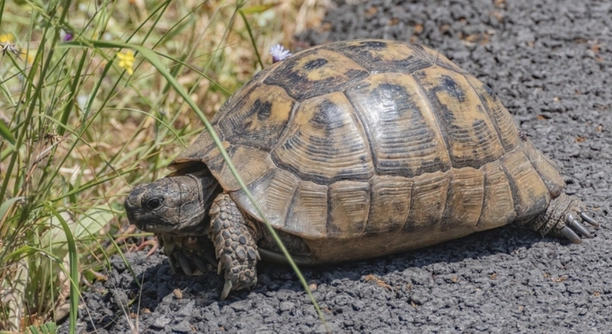
Keeping your Russian tortoise’s water dish clean is essential for their health. A clean water source prevents bacteria build-up and ensures your pet stays hydrated. Regular maintenance helps avoid unpleasant odors and ensures a healthier living environment for your tortoise.
To keep your Russian tortoise’s water dish clean, regularly change the water and scrub the dish with mild soap. This removes waste and prevents algae growth. Ensure the dish is placed in a clean area to avoid contamination.
Maintaining a clean water dish is key to your tortoise’s well-being. Proper cleaning ensures a healthier and more comfortable living space.
Importance of Clean Water for Your Russian Tortoise
A clean water dish is crucial for the overall health of your Russian tortoise. Over time, dirty water can harbor harmful bacteria, algae, and waste, which can lead to skin infections, respiratory issues, or digestive problems. Russian tortoises, like all reptiles, rely on clean water to maintain proper hydration. Keeping their water dish free of debris will encourage them to drink more, ensuring they stay hydrated and active. A consistent cleaning routine is important, as stagnant water can also attract pests or become a breeding ground for bacteria. Regular maintenance of their water dish is an easy way to promote long-term health.
Changing the water frequently and cleaning the dish will help keep your tortoise’s environment healthy and safe. A water dish that is kept clean will reduce the risk of infections, making it essential for your pet’s well-being. Clean water promotes better digestion and hydration.
By maintaining cleanliness, you’re not only preventing illness but also encouraging natural behaviors in your tortoise. Regular cleaning ensures your tortoise stays active and comfortable, leading to a healthier lifestyle overall. Additionally, a clean water dish can improve the aesthetic of your tortoise’s habitat, creating a more inviting environment for both you and your pet.
Cleaning Tools for the Job
A few basic cleaning tools are all you need to keep your tortoise’s water dish in top condition.
The right tools make cleaning easy and quick. Use a soft brush, such as a toothbrush, to gently scrub away debris and any algae that may have formed on the dish. Avoid using harsh chemicals, as they can harm your tortoise. Mild soap and warm water will suffice for regular cleaning. Make sure to rinse thoroughly to remove any soap residue, as it can be harmful if ingested. Using a separate cleaning brush just for the water dish will help avoid cross-contamination with other areas of the enclosure.
Proper cleaning of the water dish not only maintains a hygienic environment but also helps to eliminate any bad odors that can result from stagnant water. It’s best to clean the dish at least once a week or more often if needed. By investing just a few minutes in proper cleaning, you’ll help prevent water-related health issues, ensuring your tortoise remains healthy and happy. A clean water dish can make all the difference in your tortoise’s life, providing them with the hydration they need while avoiding unnecessary health risks.
Frequency of Water Dish Cleaning
Cleaning the water dish regularly is essential to prevent build-up. Aim to replace the water at least every 2-3 days. If the dish looks dirty sooner, clean it more often to ensure your tortoise stays healthy. Bacteria can thrive in stagnant water, which can lead to various health issues.
Dirty water can quickly cause your tortoise to avoid drinking, which can lead to dehydration. It’s important to not only change the water but also scrub the dish to remove any food particles, algae, or waste that may accumulate. The water should be refreshed at least every few days, especially if your tortoise likes to bathe or swim in it.
Over time, neglecting to clean the dish regularly can result in an unhealthy environment. Keeping to a routine of cleaning will ensure that your tortoise remains hydrated and comfortable. Set a schedule to clean the water dish, making it easier to remember and maintain. A clean water source supports overall well-being.
Choosing the Right Water Dish
Selecting the proper water dish is key. Ensure it is large enough for your tortoise to drink from easily but not so large that it becomes difficult to clean. A shallow, sturdy dish works best for Russian tortoises.
The water dish should be placed in an accessible spot, allowing the tortoise to drink without difficulty. Look for a dish that won’t tip over easily, as tortoises may accidentally knock it over. This is particularly important for younger tortoises, as they may be more prone to spilling.
Consider a dish with a wide base to reduce the chance of tipping. You also want to avoid overly deep bowls, as this could make it harder for your tortoise to reach the water. It’s important to match the dish to your tortoise’s size and behavior. A shallow dish allows easy access, reducing stress during drinking.
Preventing Algae Growth
Algae growth can quickly take over your tortoise’s water dish if it’s not cleaned regularly. To avoid this, ensure the water is changed frequently and that the dish is scrubbed thoroughly. Algae thrive in warm, stagnant water, so regular cleaning prevents this issue.
Placing the water dish in a well-lit area can encourage algae growth, so consider placing it away from direct sunlight. Keep the dish dry between water changes to prevent any moisture buildup. A clean, dry dish will minimize the chances of algae growth, creating a healthier environment for your tortoise.
Regular cleaning removes any algae that may have started to grow, ensuring that your tortoise’s water remains clean. If algae persists, it’s essential to clean the dish more frequently and check for sources of moisture that might encourage growth. By staying on top of the cleaning routine, you’ll help avoid this common issue.
Water Temperature Considerations
The temperature of your tortoise’s water matters. Too cold or too warm water can discourage drinking and bathing. Aim for room temperature, which is comfortable for your tortoise and encourages hydration.
Ensure the water stays at a temperature that is not too extreme, as it could cause stress or make your tortoise avoid drinking. Keep the water dish in a stable environment, away from temperature fluctuations like drafts or heating vents. This helps maintain a consistent, comfortable water temperature. A stable water temperature supports hydration and overall well-being.
Water Additives to Avoid
Avoid using water additives such as chlorine or dechlorinators. These chemicals can be harmful to your tortoise, causing skin irritation or internal issues. Always use clean, fresh water for your tortoise’s dish.
Stick to plain water without any added chemicals or substances that could affect your tortoise’s health. Tap water is typically fine unless it contains high levels of chlorine or fluoride, which can be harmful. If you’re concerned, use filtered water to ensure the water stays safe for your tortoise.
FAQ
How often should I clean my Russian tortoise’s water dish?
It’s best to clean your Russian tortoise’s water dish at least once every 2-3 days. If the dish looks dirty sooner or if you notice algae growth, clean it more frequently. Regular cleaning helps maintain a hygienic environment for your tortoise and prevents the build-up of harmful bacteria.
Can I use soap to clean the water dish?
Yes, you can use mild soap to clean the dish, but be sure to rinse it thoroughly afterward. Harsh chemicals or soaps with strong fragrances can be harmful to your tortoise, so always opt for a gentle, non-toxic soap. After washing, check that no soap residue remains.
Is tap water safe for my Russian tortoise?
Tap water is generally safe, but it’s important to check if your local water supply contains high levels of chlorine or fluoride. These chemicals can harm your tortoise over time. If you’re concerned, you can use filtered water or let tap water sit for 24 hours to allow chlorine to dissipate.
What if my tortoise refuses to drink from the water dish?
If your tortoise isn’t drinking from its water dish, make sure the water is fresh and clean. Tortoises might avoid dirty or stagnant water, so regular changes are essential. Ensure the dish is accessible and clean, and check that it’s not too deep or too shallow for your tortoise.
Can I use a larger water dish for my Russian tortoise?
It’s fine to use a larger water dish as long as it’s shallow enough for your tortoise to easily access. A dish that’s too deep might discourage your tortoise from drinking. Also, ensure that the dish is sturdy and won’t tip over easily.
Should I place the water dish in direct sunlight?
No, placing the water dish in direct sunlight can encourage algae growth and warm the water to uncomfortable levels. Instead, place the dish in a shaded, cooler area where your tortoise can easily drink. Keep the water temperature stable and avoid extremes.
How can I prevent algae from growing in the water dish?
To prevent algae, clean the dish regularly and avoid leaving standing water for extended periods. Scrub the dish thoroughly to remove any algae that may start to form. Placing the dish in a cooler, shaded area can also help reduce algae growth.
Can I use water additives in my tortoise’s water?
Avoid using any water additives like chlorine removers or water conditioners. These can be harmful to your tortoise’s health. Stick to clean, fresh water without any chemicals. If necessary, use filtered water to avoid impurities that might affect your tortoise’s well-being.
How can I ensure the water is the right temperature for my tortoise?
Room temperature water is ideal for your Russian tortoise. Water that’s too cold or too hot can cause stress or discourage your tortoise from drinking. Place the dish in a spot with a consistent temperature, away from drafts or heating sources, to keep the water at a comfortable level.
Is it necessary to bathe my tortoise in the water dish?
While your tortoise may enjoy soaking in the water dish, it’s not necessary to use the dish as a bath every time. However, occasional soaking can help with hydration. Make sure to provide fresh water afterward, especially if the tortoise has used the dish to soak.
Final Thoughts
Keeping your Russian tortoise’s water dish clean is essential for maintaining its health. Regular cleaning not only ensures that your tortoise has access to fresh water, but it also helps prevent the growth of harmful bacteria or algae. A clean water dish encourages hydration, which is vital for your tortoise’s well-being. Neglecting this simple task can lead to health issues such as dehydration or shell problems, which can be avoided by sticking to a consistent cleaning schedule. In the end, ensuring the water is always fresh will make your tortoise’s environment more comfortable and safe.
Choosing the right water dish is another crucial step in providing your tortoise with the best care. The dish should be easy for your tortoise to drink from without being so deep that it becomes a risk. It should also be sturdy enough to avoid tipping over. If the dish is large enough, it can even serve as a soaking spot for your tortoise, although it’s essential to maintain it clean and free from any waste or debris. Consider the size of your tortoise when selecting a water dish to make sure it suits its needs. A good dish will last long, making it a worthwhile investment in your pet’s overall habitat.
Lastly, being mindful of the water’s temperature and the additives you use can make a significant difference. Room temperature water is the most comfortable and safest for your tortoise, so it’s important to keep the water dish in a place where the temperature remains consistent. Avoid using any chemical additives, as they can cause harm over time. With a little attention to detail, you can create a comfortable, clean environment for your Russian tortoise, helping it live a long and healthy life.

Hello,
If you enjoy the content that we create, please consider saying a "Thank You!" by leaving a tip.
Every little bit helps us continue crafting quality advice that supports the health, happiness, and well-being of pets around the world, for pets of all shapes, sizes, and species.
We really appreciate the kindness and support that you show us!