
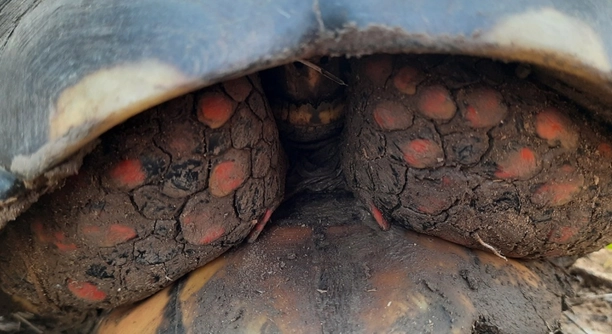
Is your red-footed tortoise’s tank developing an unpleasant smell despite regular cleaning? Keeping their habitat odor-free requires the right balance of maintenance, ventilation, and waste management. Understanding the key factors can help you maintain a fresh and healthy environment.
The most effective way to keep a red-footed tortoise tank smell-free is by spot-cleaning daily, ensuring proper substrate drainage, and maintaining adequate ventilation. Regular deep cleaning, appropriate humidity control, and efficient waste removal also play a crucial role in minimizing odors.
Proper care not only improves air quality but also contributes to your tortoise’s well-being. With the right approach, you can create a clean and comfortable habitat that benefits both you and your pet.
Clean the Tank Regularly
A clean tank is essential for keeping odors under control. Spot-cleaning daily helps remove waste and leftover food before they start to smell. Deep cleaning should be done weekly, which includes scrubbing surfaces, replacing dirty substrate, and washing food and water dishes. Using a mild, reptile-safe disinfectant ensures the habitat stays fresh without harming your tortoise. Proper ventilation is also important, as stagnant air can make odors linger. Keeping the tank in a well-ventilated area allows fresh air to circulate, preventing humidity buildup that can contribute to unpleasant smells.
Neglecting regular cleaning can lead to strong odors that become harder to eliminate over time. A consistent cleaning routine ensures your tortoise has a hygienic environment while keeping your home odor-free.
Using the right cleaning supplies can make the process easier. A small handheld vacuum is great for removing debris, and a scrub brush helps with tough stains. Regular maintenance prevents waste from accumulating and keeps bacteria growth under control. Replacing water daily also helps, as stagnant water can become a source of unpleasant odors. By keeping up with a proper cleaning schedule, you’ll ensure a fresher and healthier tank for your tortoise.
Choose the Right Substrate
The substrate you use plays a major role in controlling odors. Some materials retain moisture and smells, while others help absorb waste efficiently. Choosing a substrate that promotes cleanliness will make it easier to maintain a fresh environment.
Coconut fiber, cypress mulch, and orchid bark are excellent choices for odor control. These materials help absorb excess moisture and break down waste naturally, reducing unpleasant smells. Avoid using substrates like newspaper or paper towels for long-term use, as they do not provide enough absorption and can allow odors to build up quickly. Additionally, soil-based substrates should be changed regularly to prevent bacterial growth.
Another effective way to minimize odors is by mixing substrates for better absorption. A blend of coconut fiber and cypress mulch works well in maintaining proper humidity while preventing excessive moisture buildup. Spot-cleaning the substrate daily removes waste before it starts to smell, and replacing it every few weeks ensures a consistently clean habitat. Using a substrate that controls odors naturally will make it easier to maintain a fresh-smelling tank with less effort.
Maintain Proper Humidity Levels
High humidity can trap odors, making the tank smell unpleasant. Keeping levels between 50% and 70% ensures a balanced environment. A hygrometer helps monitor humidity, while misting lightly prevents excessive moisture buildup that can contribute to bacterial growth and lingering smells.
Too much humidity creates a damp environment that allows mold and bacteria to thrive. If the tank feels too humid, increase ventilation or use a drier substrate to absorb excess moisture. On the other hand, if humidity is too low, misting the enclosure or adding a humidity box with damp sphagnum moss can help maintain proper levels. Finding the right balance keeps your tortoise comfortable while reducing unwanted smells.
Ventilation plays a key role in preventing trapped humidity. Positioning the tank in a well-aerated area helps moisture evaporate naturally. Adding a mesh cover or increasing airflow with a small fan can also improve circulation. Keeping humidity levels stable not only minimizes odors but also supports your tortoise’s health.
Remove Waste and Leftover Food Promptly
Old food and waste can quickly make the tank smell bad. Uneaten food should be removed within a few hours to prevent rotting. Waste should be scooped out daily to keep the environment clean. Regular removal prevents bacteria growth and keeps odors under control.
Food remnants attract pests and contribute to strong odors. Placing food in a designated feeding area makes it easier to clean up leftovers. If possible, feed your tortoise outside the tank to reduce mess. Using a shallow dish for fruits and vegetables prevents them from getting buried in the substrate, where they can decay and produce foul smells.
For solid waste, a small scooper or tongs work well for quick removal. Keeping a sealed trash bin nearby helps contain any lingering smells. If waste tends to accumulate in certain areas, adjusting the tank layout may encourage your tortoise to stay cleaner. Removing waste consistently ensures a fresh and odor-free habitat.
Keep Water Clean and Fresh
Dirty water can cause odors and bacteria buildup. Change the water daily to prevent contamination. Using a shallow dish makes cleaning easier and reduces the risk of spilled water soaking into the substrate, which can create unpleasant smells over time.
A water filter can help keep the water cleaner for longer, especially if your tortoise enjoys soaking. If the dish frequently gets soiled, consider placing it in an area where waste is less likely to collect. Keeping water fresh prevents bad smells and ensures your tortoise stays hydrated and healthy.
Use Odor-Control Products Sparingly
Activated charcoal or reptile-safe deodorizers can help absorb unwanted smells. These should be used in moderation and never as a substitute for regular cleaning. Overusing scented products can create strong artificial odors that may be overwhelming for your tortoise.
Ensure Proper Air Circulation
Good airflow prevents stagnant air from trapping odors. Keeping the tank in a well-ventilated room reduces humidity and helps fresh air circulate. If necessary, a small fan or air purifier placed near the enclosure can improve air quality without causing drafts that might stress your tortoise.
FAQ
What type of substrate is best for controlling odors in a red-footed tortoise tank?
Coconut fiber, cypress mulch, and orchid bark are great choices for controlling odors. These substrates absorb moisture and help break down waste naturally. They also reduce the likelihood of mold and bacteria growth, which can cause unpleasant smells. Avoid using newspaper or paper towels for long-term use, as they don’t absorb moisture well and can make odors worse.
How often should I clean my red-footed tortoise tank?
You should spot-clean your tank daily by removing waste, uneaten food, and soiled substrate. A deep cleaning, where you wash the tank and replace the substrate, should be done weekly or bi-weekly. Regular cleaning keeps odors in check and ensures a hygienic environment for your tortoise.
Can I use scented products to keep the tank smelling fresh?
While scented products may seem like an easy fix, they are not recommended. Using deodorizers or air fresheners can mask the smell temporarily, but they do not address the underlying cause. Overusing these products can also overwhelm your tortoise with artificial scents, which may stress them out.
How can I prevent mold from forming in the tank?
Mold typically forms when there is excess moisture in the tank. To prevent mold growth, maintain proper humidity levels and ensure the tank is well-ventilated. Avoid over-watering the substrate and remove waste regularly. If you notice mold, clean it immediately using a mild, reptile-safe disinfectant.
How do I handle excess humidity in the tank?
If your tortoise tank has too much humidity, it can trap moisture and contribute to odors. Increase ventilation by opening the tank’s lid or using a fan to help the air circulate. You can also use a drier substrate or add more dry materials like coconut fiber to absorb moisture.
Why does my tortoise’s water dish smell?
If your tortoise’s water dish smells, it’s likely due to food or waste contamination. Change the water daily and clean the dish thoroughly to avoid bacteria buildup. Consider using a shallow, easily cleanable dish to help keep the water fresh longer.
How can I manage the waste more effectively?
A daily cleaning routine is essential for managing waste in the tank. Remove solid waste immediately using tongs or a scooper. Consider placing food in a designated area or feeding your tortoise outside the tank to prevent food waste from mixing with the substrate.
Is it safe to use a filter for the water dish?
Using a water filter can help keep the water cleaner and reduce odors. A filter designed for small tanks or reptile enclosures can remove debris and waste, making it easier to maintain a fresh water source for your tortoise. Just ensure the filter is specifically made for reptile habitats to avoid any harm.
Should I mist the tank to reduce odors?
Misting the tank can help maintain proper humidity, but it should be done carefully. Over-misting can contribute to excess moisture and increase the likelihood of odors. Light misting once or twice a day should be sufficient, depending on your tank’s humidity levels.
Can I use baking soda to help with odors?
Baking soda is a safe, natural odor neutralizer. You can sprinkle a small amount of baking soda on the substrate to absorb smells. Just be sure to clean it out regularly to prevent it from building up and causing issues with your tortoise’s health.
Is it necessary to change the substrate frequently?
Yes, changing the substrate every few weeks is necessary to maintain a fresh environment. Even if you spot-clean daily, substrate can become compacted, dirty, and difficult to clean over time. Replacing it ensures the tank remains hygienic and free of odors.
How can I improve air circulation in the tank?
To improve air circulation, place the tank in a well-ventilated room. You can also use a small fan near the tank to help circulate the air. Make sure the fan doesn’t cause direct drafts on the tortoise. Proper airflow helps reduce humidity buildup and keeps the environment fresh.
Are there any signs that my tortoise’s tank is too dirty?
If your tortoise’s tank smells consistently, has visible waste buildup, or if you notice mold or algae growth, it’s time to clean it thoroughly. A dirty tank can lead to health problems for your tortoise and create an unpleasant living environment. Regular cleaning prevents these issues from becoming severe.
What should I do if my tank is still smelly after cleaning?
If the tank still smells after cleaning, check for areas that may have been missed, such as the corners, under decorations, or in the water dish. Ensure that the substrate is fresh and that there is no mold or waste buildup hiding in the tank. Additionally, consider adjusting humidity and ventilation levels to improve air quality.
Final Thoughts
Maintaining a clean and fresh-smelling tank for your red-footed tortoise is important for both their health and comfort. A clean environment prevents bacteria growth, mold, and unpleasant odors that can affect the tortoise’s well-being. The key is to establish a regular cleaning routine. Spot-cleaning daily, changing the water, and removing uneaten food and waste will significantly reduce the chances of odors building up in the tank. Ensuring the substrate stays dry and fresh by replacing it regularly can also help to maintain a more pleasant smell.
Good ventilation plays a huge role in keeping the tank fresh. Without proper airflow, moisture can get trapped, leading to an increase in humidity, which may cause unpleasant smells and mold growth. Ensure the tank is located in a well-ventilated area. You can also use small fans to improve airflow, but be careful not to direct the air directly onto your tortoise. It’s also important to monitor the humidity level in the tank, as excessive moisture can lead to issues such as the growth of mold or mildew. Keeping humidity levels balanced will help avoid these problems and make the environment more comfortable for your tortoise.
Lastly, while odor control products may seem like an easy solution, they should be used with caution. Natural solutions like activated charcoal or coconut fiber substrates are better choices for long-term odor control. Overusing artificial deodorizers or air fresheners can stress out your tortoise and may only mask the problem instead of solving it. Maintaining a clean tank, proper ventilation, and balanced humidity will go a long way in creating a healthier and odor-free environment for your red-footed tortoise. Consistent care and attention to their habitat will keep your tortoise happy and free from the discomfort of a smelly tank.

Hello,
If you enjoy the content that we create, please consider saying a "Thank You!" by leaving a tip.
Every little bit helps us continue crafting quality advice that supports the health, happiness, and well-being of pets around the world, for pets of all shapes, sizes, and species.
We really appreciate the kindness and support that you show us!