
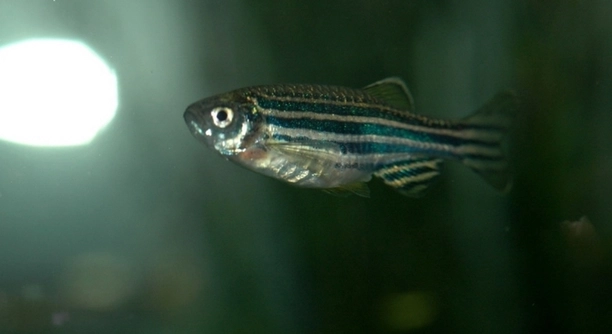
Are your Zebra Danios already active and thriving, but you’re thinking about adding a few new ones to the group? Introducing new fish to an existing school takes a little care and attention to keep everyone safe.
The safest way to introduce Zebra Danios to an established school is through a slow acclimation process. Quarantine new fish first, then gradually adjust them to the tank’s water. This reduces stress and helps prevent the spread of disease.
Adding new fish can be simple with the right steps, and your tank will be better for it in the long run.
Why Quarantine Matters Before Introduction
Quarantining new Zebra Danios is the most important step before adding them to your established school. Even healthy-looking fish can carry hidden parasites or bacteria. By placing the new arrivals in a separate tank for at least two weeks, you give them time to adjust to their new environment while observing any signs of illness. This also protects your current fish from potential outbreaks. Make sure the quarantine tank has proper filtration and water parameters similar to your main tank. Regularly monitor behavior and appetite. A stress-free transition begins with a controlled, healthy environment from the start.
Quarantine tanks don’t need to be fancy. A simple setup with a filter, heater, and hiding places will do.
Keeping your main tank stable should always be your priority. Any sickness introduced can quickly spread and become hard to control. Quarantine gives you peace of mind and creates a smoother path for adding new fish.
Introducing Them to the Main Tank
Acclimating the new fish slowly is the next key step. Rushing this process may cause stress and aggressive behavior.
Start by floating the quarantine tank water in a sealed bag inside the main tank for 15 to 20 minutes to equalize temperature. Then slowly add small amounts of tank water into the bag over the next hour. This helps the new Zebra Danios adjust to water chemistry changes, reducing shock. When they seem calm and active, gently release them into the tank. Keep the lights low and watch how the established school reacts. Aggression is rare with this species, but some chasing is normal. Offer food shortly after to ease tension and shift focus. Feeding both the new and established fish at the same time can help form positive associations. Keep an eye on everyone for the next few days to ensure they’re schooling together and no one is left out or hiding for too long.
Monitoring Behavior After Introduction
Watch how the new Zebra Danios interact with the established school. Look for signs of acceptance like synchronized swimming and shared space. Occasional chasing may happen, but it should settle down within a day or two.
During the first 48 hours, keep a close eye on swimming patterns, feeding behavior, and stress signs like hiding or frayed fins. It helps to keep the tank lights dim and reduce movement around the tank to keep things calm. Feed lightly but consistently. Make sure all fish, especially the new ones, are eating. If any fish show ongoing stress or signs of illness, consider separating them again. Sometimes, reintroduction a few days later works better once they’ve regained strength. Harmony in the tank might take a little time, but patience pays off when the fish begin schooling together naturally and move as one group.
Continue monitoring over the next week, even if things look fine. Zebra Danios adjust quickly, but subtle issues can still show up after a few days. Look for consistent behavior in the school. If anyone lingers in corners or avoids the group, keep an eye on them. Most times, they’ll join in once they’re confident and used to the environment. Let the tank stay quiet and stress-free.
Tank Conditions That Support Success
A healthy tank makes the entire process easier for both new and old fish. Zebra Danios need steady conditions to feel safe and thrive together.
Maintain the water temperature between 72°F and 78°F, with a pH level from 6.5 to 7.5. Avoid sudden changes during introductions. Ensure the tank has plenty of swimming space with open areas and a few hiding spots to help with stress. Keep the current moderate, as Zebra Danios enjoy movement. Use a reliable filter and test the water regularly for ammonia, nitrite, and nitrate levels. Stable parameters allow your fish to stay calm and healthy. Clean water and balanced nutrients help new fish adjust without extra pressure. Feed high-quality flakes or small pellets, and avoid overfeeding, especially in the first few days after introduction. Having a strong setup from the beginning gives all your fish the best chance at forming a peaceful, active school.
Feeding Habits During Transition
Feed your Zebra Danios small amounts twice a day during the transition. This keeps them active and reduces stress. Make sure food reaches all fish, especially the newer ones who might be more timid at first.
Stick with high-quality flakes or micro pellets. Avoid overfeeding to prevent waste buildup. Watch for any fish that refuse to eat.
When to Step Back In
If a new fish is being chased constantly or hiding for more than three days, it may need to be removed and re-acclimated later. This isn’t common but can happen. Use a tank divider or separate container for a short period before trying again. Also, check water quality in case something changed and caused stress. If illness is suspected, return the fish to quarantine. Most issues resolve on their own with patience, a clean tank, and regular feeding. Avoid making frequent changes or adjustments during this time. A steady routine helps fish relax and form better bonds in the group.
Signs Things Are Going Well
If all the Zebra Danios are swimming together, feeding well, and staying active, your introduction was successful. Watch for calm behavior and smooth group movement.
FAQ
How long should I quarantine new Zebra Danios before adding them to the main tank?
Quarantine new Zebra Danios for at least 14 days. This gives you enough time to observe for any signs of illness like clamped fins, discoloration, or lack of appetite. It also helps the fish recover from stress caused by travel or changes in water. Use a basic setup with a sponge filter, heater, and some decorations for hiding. Make sure the water parameters match those in the main tank as closely as possible. This makes the transition smoother later. Monitor the fish daily and perform partial water changes every few days to keep the environment stable and clean.
What is the best way to acclimate new Zebra Danios to the main tank?
Float the bag or container holding the new fish in your main tank for 15 to 20 minutes to equalize the temperature. Then slowly mix small amounts of tank water into the bag every 5 minutes over the next 30 to 60 minutes. This helps the fish adjust to differences in pH and hardness. Once the water volume in the bag has at least doubled, use a soft net to transfer the fish into the tank. Avoid adding the water from the bag to prevent introducing any contaminants. Turn down the lights and let the fish settle in quietly.
Do Zebra Danios get aggressive when new fish are introduced?
Zebra Danios are generally peaceful, but they can show a little aggression during introductions. This may include light chasing or establishing a new pecking order. These behaviors usually fade within a day or two. As long as no one is being constantly singled out or nipped, things are fine. Providing plenty of space, hiding spots, and distractions like feeding can ease tension. A group of six or more usually helps reduce aggressive behavior since it spreads attention more evenly across the school. Avoid introducing just one new fish—add two or more if possible to help them feel more secure.
How can I tell if the new Zebra Danios are settling in well?
New fish that swim with the school, eat regularly, and explore the tank are adjusting well. Signs of stress include hiding, rapid breathing, or refusing food. If the new fish seem calm and start mimicking the movements of the established group, that’s a good sign they’re fitting in. Check that they are not being chased constantly or staying apart from the rest of the fish. Within a few days, they should blend into the group and follow the same patterns. A healthy environment and gentle routine make this process easier for them.
Can I introduce Zebra Danios of different sizes to an existing school?
It’s best if the new fish are similar in size to the existing ones. Large size differences may lead to bullying or competition during feeding. If the new fish are smaller, they might struggle to keep up with the group or be seen as weaker. You can still introduce smaller ones, but make sure there are hiding spots available and offer food that sinks slowly to give everyone a fair chance. With time, even fish of slightly different sizes usually find their place in the group, especially if the tank conditions are well-maintained and not overcrowded.
What should I do if a new Zebra Danio isn’t eating?
Start by checking the water parameters—ammonia or nitrite spikes can stress fish and affect appetite. Then look at behavior: if the fish is hiding or being chased, it may be too stressed to eat. Try feeding with the lights off or offering a different food type like freeze-dried or live brine shrimp to spark interest. Make sure there’s not too much competition during feeding. Sometimes, fish need a few days to feel safe before eating. Keep a close eye and don’t overfeed the tank while waiting. If the fish still refuses food after three days, consider moving it back to a quiet quarantine setup.
Should I rearrange the tank before introducing new fish?
You can slightly rearrange decorations and plants to disrupt territorial boundaries, especially if your established fish are acting possessive. This makes the environment feel new for everyone and can reduce tension. Don’t make drastic changes—just shift things a bit to help with balance. Fish are more focused on re-exploring than defending spaces, which makes the introduction smoother. Just make sure the layout still allows open swimming areas and hiding spots for any shy newcomers. Temporary distraction and novelty can do a lot to ease group integration, especially in community setups.
Final Thoughts
Introducing Zebra Danios to an established school doesn’t have to be difficult, but it does require some planning and patience. Taking time to quarantine new fish, matching tank conditions, and slowly acclimating them can make a big difference. These simple steps help reduce stress, avoid illness, and give the new fish a better chance at fitting in with the group. Skipping the quarantine step might seem easier in the short term, but it often leads to problems that can affect the whole tank. By being careful early on, you give both the new and established fish a calm and safe environment.
Once in the main tank, Zebra Danios usually adjust well as long as there’s enough space and hiding spots. Temporary chasing or nervous swimming is normal, but it shouldn’t last too long. Watching their behavior closely during the first few days helps you know if they’re settling in. If they begin swimming together, eating normally, and exploring the tank, it’s a good sign that everything is working. If one or two fish are still acting shy or being chased constantly, you might need to make small changes to reduce stress, like adjusting the layout or feeding routine.
Caring for Zebra Danios is a low-maintenance task once things are in balance. They are hardy fish with social personalities, which makes them enjoyable to keep. Still, it’s important to watch for small changes in behavior or appearance, especially after introducing new fish. A calm tank, proper diet, and regular checks on water quality can help maintain a healthy school. Adding new members to the group from time to time can keep things lively, as long as you follow safe steps. Whether you’re new to keeping Zebra Danios or just expanding your school, taking it slow and staying observant can make the whole process smoother and more rewarding.

Hello,
If you enjoy the content that we create, please consider saying a "Thank You!" by leaving a tip.
Every little bit helps us continue crafting quality advice that supports the health, happiness, and well-being of pets around the world, for pets of all shapes, sizes, and species.
We really appreciate the kindness and support that you show us!