
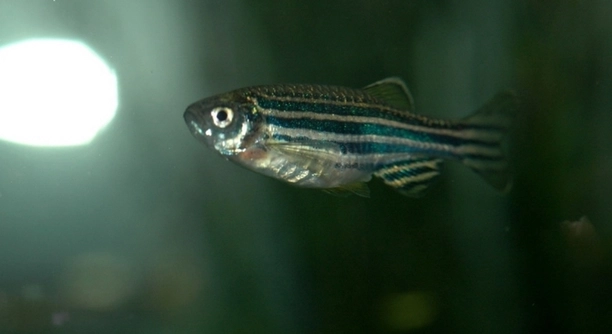
Introducing zebra danios to a new tank is an exciting moment for any fish owner. These small, lively fish are a great choice for beginners and seasoned aquarists alike. Properly introducing them to their new home ensures their health and happiness.
To introduce zebra danios to a new tank, begin by acclimating them slowly to the water temperature and conditions. Gradually add small amounts of tank water to their transport container to help them adjust. This reduces stress and improves their chances of thriving.
With a few simple steps, you can ensure a smooth transition for your zebra danios. The following guide will help you understand the best practices to follow for a healthy start.
Choosing the Right Tank for Zebra Danios
When setting up a tank for zebra danios, size matters. They are small fish but need enough space to swim and thrive. A 10-gallon tank is the minimum, though a larger tank is always better. Make sure the tank has a secure lid, as zebra danios can be jumpy at times. It’s also important to have a proper filtration system to keep the water clean. These fish do well in stable conditions, and a reliable filter will help maintain a healthy environment.
The substrate for the tank can be gravel or fine sand, as they prefer swimming near the bottom. Plants are also a great addition, as they provide hiding spots and help with water quality. However, make sure there’s enough open space for swimming. If you’re adding decorations, avoid sharp objects that could harm their delicate fins.
Zebra danios prefer a well-maintained environment with a consistent temperature between 65-75°F. Regular water changes, along with monitoring pH and ammonia levels, are crucial for keeping the tank healthy. Adding a heater to the tank is optional, but it can help maintain a more consistent temperature, especially in colder climates.
Acclimating Zebra Danios to Their New Tank
Once the tank is set up and ready, it’s time to acclimate your zebra danios. Acclimation is essential to prevent shock, as their bodies need to adjust to the new water conditions.
To start, float the bag with the danios in the tank for about 15-20 minutes. This allows the temperature of the water in the bag to equalize with that of the tank. After this, slowly add small amounts of tank water to the bag. This process should take 30-40 minutes, giving the fish time to adjust to the pH and water chemistry. Avoid adding water from the bag to the tank to prevent introducing unwanted contaminants.
Finally, gently release the zebra danios into the tank. It’s best to let them swim out on their own rather than netting them. This reduces the stress that can come from handling them. Once they’re in the tank, give them a few hours to settle in before adding any additional fish.
Water Quality and Temperature for Zebra Danios
Maintaining proper water quality is vital for zebra danios. They thrive in slightly alkaline water with a pH of 6.5 to 7.5. It’s also important to regularly test for ammonia, nitrites, and nitrates to keep the water clean. Water changes should be done at least once a week.
Zebra danios are hardy and can handle a range of water temperatures, but they perform best in water between 65°F and 75°F. Sudden temperature changes can cause stress, so it’s crucial to keep the tank stable. Using a thermometer will help monitor the temperature, while a heater can be added for consistency.
If the water quality is poor, zebra danios may become sick or stressed, which could lead to health issues. Regular water changes, proper filtration, and consistent monitoring of water parameters will help keep the fish healthy and active.
Feeding Zebra Danios
Zebra danios are not picky eaters, but feeding them properly is important for their health. They will eat a variety of foods, including flake food, pellets, and live or frozen foods like brine shrimp. Feed them small amounts 2-3 times a day, ensuring they finish the food within a few minutes.
It’s best to vary their diet to ensure they get all the nutrients they need. Too much protein can lead to digestive issues, so try to include a mix of vegetable-based foods. Live or frozen foods should be used occasionally, as they offer variety and enrichment.
Overfeeding can cause water quality issues, so it’s important to monitor how much they eat. Make sure to remove any uneaten food after feeding to avoid pollution in the tank. Proper feeding habits will help zebra danios live a long and healthy life.
Common Health Issues in Zebra Danios
Zebra danios are generally hardy, but they can still face health problems. Common issues include fin rot, ich (a parasite), and swim bladder disorder. Keep an eye out for any changes in behavior, appearance, or swimming patterns to catch problems early.
If your zebra danios show signs of illness, it’s crucial to address it quickly. Isolate sick fish if necessary and treat them with appropriate medications. Regular water changes and proper tank maintenance can help prevent many health issues. Keeping the tank stress-free will also help improve their overall well-being.
Tank Mates for Zebra Danios
Zebra danios are peaceful and social, making them great tank mates. They get along well with other small, non-aggressive fish. Avoid keeping them with large or aggressive species that might stress or harm them.
Some great tank mates for zebra danios include guppies, tetras, and mollies. These fish have similar care requirements and will generally thrive in the same environment. It’s always best to research new tank mates before introducing them to ensure compatibility and reduce potential stress or aggression.
Breeding Zebra Danios
Breeding zebra danios is relatively easy and often happens in a community tank. To encourage breeding, provide a breeding tank with a fine substrate like marbles or mesh to protect the eggs from being eaten by the parents. Maintain the water temperature between 70°F and 75°F to stimulate spawning.
Zebra danios lay their eggs in the early morning, and once the eggs are laid, remove the parents to prevent them from eating them. After a few days, the eggs will hatch, and the fry will start swimming around. Feed them infusoria or baby brine shrimp until they grow larger and can handle regular food.
FAQ
What size tank do zebra danios need?
Zebra danios are small, but they still need enough space to swim comfortably. A 10-gallon tank is the minimum size for a small group, but bigger is always better. The more space you provide, the healthier your fish will be. A 20-gallon tank would be ideal, especially if you plan on adding other fish. Ensure the tank has a proper filtration system to maintain water quality, as smaller tanks can get dirty quickly.
How many zebra danios should I keep together?
Zebra danios are social fish and prefer to live in groups. It’s best to keep at least six of them together to reduce stress and allow them to feel secure. If you only have one or two, they might become anxious and more prone to illness. Keeping them in groups also allows you to observe their playful, active nature. A larger group will also help with natural behaviors, like schooling, which is part of their charm.
What is the best water temperature for zebra danios?
Zebra danios thrive in temperatures between 65°F and 75°F (18°C to 24°C). They are quite adaptable, but avoiding rapid temperature fluctuations is key to keeping them healthy. A consistent water temperature is essential, as sudden changes can stress them out and make them more vulnerable to diseases. Using an aquarium heater helps maintain stability, especially in colder climates.
What should I feed zebra danios?
Zebra danios are omnivores and will eat a variety of foods, including flake food, pellets, and frozen or live foods like brine shrimp. They can also enjoy algae, small insects, or plant matter. Feeding them 2-3 times a day is ideal, but make sure they don’t overeat. It’s important to feed them small amounts that they can finish within a few minutes to avoid food build-up in the tank, which could affect water quality.
Can zebra danios live with other fish?
Yes, zebra danios are peaceful and can live with many other species, especially other small, non-aggressive fish. Good tank mates include guppies, mollies, and tetras. Just avoid keeping them with large, predatory fish that may harm them. They can handle a variety of tank conditions but do best in a peaceful, community tank setup.
How can I tell if my zebra danio is sick?
Zebra danios are generally hardy, but they can get sick. If your fish is showing signs of stress, like staying at the bottom of the tank, swimming erratically, or having clamped fins, it may be a sign of illness. Look for visible symptoms such as spots, lesions, or bloating. If your zebra danio is not eating, or if it seems lethargic, these are also red flags. Early diagnosis and treatment are important to help your fish recover.
What is the lifespan of zebra danios?
Zebra danios typically live for 3-5 years, although with proper care, they can sometimes live longer. Ensuring good water quality, a varied diet, and a stress-free environment will help maximize their lifespan. Some zebra danios may live up to 6 years in optimal conditions. Proper tank maintenance and monitoring can keep your fish healthy and active.
Do zebra danios breed easily in captivity?
Zebra danios are known to breed easily in captivity. If you want to breed them, simply provide them with a breeding tank with a soft substrate like marbles or mesh to protect the eggs. You don’t need to separate males and females, but if you want to guarantee eggs, you can do so. The fish will typically lay eggs in the morning, and after a few days, the eggs will hatch. The fry are small and need special care, like infusoria or baby brine shrimp, until they are large enough for regular food.
What should I do if my zebra danios are jumping out of the tank?
Zebra danios are known to jump, especially if they feel startled or stressed. The best way to prevent this is by ensuring the tank has a secure lid or cover. A tight-fitting lid will stop them from escaping while still allowing for proper ventilation. If you find them jumping frequently, check the water conditions, as poor water quality or a sudden temperature change could be stressing them out.
Do zebra danios need a filter?
Yes, zebra danios do need a filter in their tank. As active swimmers, they produce waste, which can lead to poor water quality if not properly filtered. A filter helps remove toxins like ammonia and nitrates, keeping the water clean and clear. It also helps oxygenate the tank, which is important for the overall health of the fish. Be sure to choose a filter that matches the size of your tank.
Can zebra danios live in cold water?
While zebra danios are adaptable to different temperatures, they do best in water temperatures between 65°F and 75°F. They can tolerate slightly cooler water, but prolonged exposure to temperatures below 60°F may cause stress and increase the likelihood of disease. In cold-water environments, using a heater to regulate the temperature is a good idea to keep them comfortable and healthy.
How often should I clean the tank for zebra danios?
Regular tank cleaning is important to keep the water quality optimal for zebra danios. Perform a partial water change of 20-25% weekly to keep ammonia, nitrites, and nitrates at safe levels. Clean the substrate and remove any debris during these water changes. Also, clean the filter regularly to ensure it’s working effectively. A clean tank will prevent health problems and keep your fish happy.
What type of substrate should I use for zebra danios?
Zebra danios prefer a soft substrate like fine gravel or sand. Avoid sharp rocks or rough surfaces, as they can damage the delicate fins of the fish. A fine substrate also allows you to plant live plants, which provide hiding spots and help improve water quality. You can also use a bare-bottom tank, which makes cleaning easier but offers less visual appeal.
Final Thoughts
Zebra danios are a great addition to any aquarium, especially for beginners. Their hardy nature makes them easy to care for, and they adapt well to a variety of tank conditions. With their small size, vibrant stripes, and playful behavior, they are not only a joy to watch but also add a lively atmosphere to your tank. While they are simple to care for, maintaining a healthy tank environment is essential for their well-being. Proper water quality, temperature, and consistent feeding will help ensure they thrive in their new home.
Setting up a proper tank for zebra danios is key to keeping them healthy. Make sure the tank is large enough to accommodate a group of them, as they are social creatures that prefer to be in schools. Good filtration is also necessary to maintain clean water, as zebra danios can be sensitive to poor water conditions. In addition, using a heater will help stabilize the water temperature, especially in cooler climates. Adding plants and hiding spots in the tank can make your zebra danios feel secure, while giving them space to swim around freely.
By following the right steps, including regular tank maintenance, water testing, and feeding them the right diet, you can enjoy watching your zebra danios flourish for years. Keeping a close eye on their health and monitoring for any signs of stress or illness will help you address any issues early. These fish are known for their resilience, but like all pets, they thrive best when given the proper care. With the right setup and attention, zebra danios will remain a colorful and active part of your aquarium for a long time.

Hello,
If you enjoy the content that we create, please consider saying a "Thank You!" by leaving a tip.
Every little bit helps us continue crafting quality advice that supports the health, happiness, and well-being of pets around the world, for pets of all shapes, sizes, and species.
We really appreciate the kindness and support that you show us!