
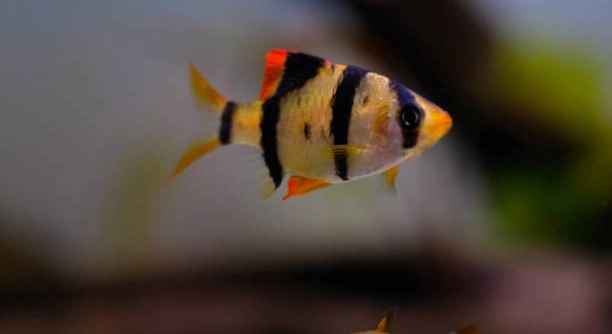
Introducing tiger barbs to an established aquarium requires careful planning. These lively fish have specific needs that can affect the tank’s existing environment. Proper steps help ensure a smooth transition for both the new and old inhabitants.
The best approach to introducing tiger barbs to old tanks is by acclimating them gradually. This includes monitoring water parameters, separating new fish initially, and observing interactions to prevent aggression, thereby maintaining the health and balance of the aquarium ecosystem.
Knowing how to introduce tiger barbs correctly supports a peaceful and thriving tank environment. The following guide covers practical tips to help achieve this.
Preparing Your Tank for Tiger Barbs
Before adding tiger barbs to an established tank, it is important to prepare the environment carefully. Start by testing the water to ensure the parameters match the needs of tiger barbs: a temperature between 74 and 79°F, pH around 6.5 to 7.5, and moderate hardness. Clean the tank thoroughly and perform a partial water change to provide fresh water for the new fish. Removing any decorations or plants that might cause territorial disputes is helpful. Next, set up a quarantine tank for the tiger barbs to monitor their health for at least two weeks before introduction. This prevents the spread of diseases to the older fish. Finally, observe the behavior of the established fish to identify any aggressive species that could cause problems once the tiger barbs are added.
Taking these steps helps create a stable and safe environment for all fish in your tank.
Proper tank preparation reduces stress and promotes peaceful integration of tiger barbs into your aquatic community.
Introducing new fish without proper preparation can lead to stress and aggression among tank mates. Slow acclimation is necessary to minimize these risks.
Acclimating Tiger Barbs to the Existing Aquarium
Acclimation is key when adding tiger barbs to an old tank. Start by floating the sealed bag containing the tiger barbs in the tank for 15 to 20 minutes to equalize water temperature. Then gradually add small amounts of tank water into the bag every 10 minutes for about an hour. This helps the fish adjust to water chemistry changes. Avoid adding all the fish at once. Introduce them in small groups if possible, allowing the tank to adjust gradually. Keep the tank lights dimmed for a day or two after introduction to reduce stress. Monitor the fish closely during the first week, paying attention to any signs of bullying or hiding. Provide plenty of hiding spots with plants or decorations to give the new fish refuge.
Consistent observation during acclimation helps prevent health issues and aggression between new and established fish.
It is normal for fish to act nervous or shy at first. Over time, tiger barbs will settle into their new home and become active members of the tank community. Proper acclimation minimizes stress, helping fish adjust quickly and maintain their health. Establishing a peaceful environment benefits all aquatic life in the aquarium.
Managing Aggression in Tiger Barbs
Tiger barbs are known for their territorial behavior, especially in crowded tanks.
To reduce aggression, keep tiger barbs in groups of six or more. This helps spread out any bullying behavior among the group rather than targeting a single fish. Avoid housing them with very small or slow-moving fish, as tiger barbs can nip fins. Providing plenty of plants and hiding spaces also helps fish establish territories without constant conflict. If aggression becomes severe, rearranging tank decorations can disrupt established territories and ease tensions.
Maintaining a balanced environment and monitoring interactions regularly are essential. Sometimes, aggressive fish may need to be removed to protect more vulnerable tank mates. Using these steps will help create a calmer and more harmonious aquarium where tiger barbs coexist peacefully with other fish.
Feeding Tiger Barbs in Established Tanks
Tiger barbs thrive on a varied diet that includes flakes, pellets, and occasional live or frozen foods. Feed them small portions two to three times daily to avoid overfeeding. Uneaten food should be removed promptly to maintain water quality.
In a community tank, feeding can cause competition and stress. Distribute food evenly across the tank to ensure all fish get access. Use sinking pellets to feed bottom dwellers without disturbing tiger barbs at the surface. Feeding live or frozen foods like brine shrimp or bloodworms once or twice a week provides essential nutrients and encourages natural hunting behavior.
Consistent feeding schedules and balanced nutrition support the health and vitality of tiger barbs while maintaining tank stability. Observing their eating habits helps identify any health or social issues early.
Monitoring Water Quality
Maintaining stable water quality is crucial when introducing tiger barbs to an established tank. Regular testing of ammonia, nitrite, nitrate, pH, and temperature keeps the environment safe.
Frequent partial water changes help prevent toxin buildup. Clean filters regularly to maintain efficient biological filtration, supporting the health of all fish.
Signs of Stress in Tiger Barbs
Stress in tiger barbs can show through faded colors, erratic swimming, or hiding more than usual. Watch for loss of appetite or clamped fins.
Early detection allows for quick action to improve tank conditions, such as adjusting water parameters or reducing aggression. Addressing these signs helps maintain a healthy tank environment.
Compatible Tank Mates
Tiger barbs do best with other active and similarly sized fish. Avoid slow or long-finned species that may be nipped. Suitable companions include danios, barbs, and larger tetras.
Choosing compatible species reduces stress and aggression, promoting a peaceful community tank where all fish can thrive.
Tank Size Recommendations
A minimum of 30 gallons is ideal for a small group of tiger barbs. Larger tanks provide more space to reduce aggression and support community fish comfortably.
FAQ
How many tiger barbs should I keep together?
Tiger barbs are schooling fish that need to be kept in groups of at least six. Keeping fewer than six can cause them to become aggressive or stressed, as they rely on group behavior for social balance. Larger groups help spread out aggression, making the tank environment more peaceful for all fish.
Can tiger barbs live with other fish species?
Yes, but it is important to choose tank mates wisely. Tiger barbs are active and can nip fins, so avoid slow-moving or long-finned fish like bettas or angelfish. Suitable companions include danios, other barbs, and fast-moving tetras. Always monitor new introductions for signs of aggression.
How do I prevent tiger barbs from bullying other fish?
Keeping tiger barbs in larger groups helps minimize bullying by diffusing aggression within the school. Provide plenty of hiding spots and plants to give all fish space to retreat. Rearranging tank decorations can also disrupt established territories and reduce conflict.
What is the best way to acclimate tiger barbs to an established tank?
Float the sealed bag in the tank to equalize temperature, then slowly add tank water into the bag over about an hour. This gradual introduction helps fish adjust to water chemistry changes. Introduce tiger barbs in small groups if possible and dim the tank lights for the first day or two to reduce stress.
What should I feed tiger barbs?
Tiger barbs eat flakes, pellets, and live or frozen foods like brine shrimp or bloodworms. Feed small amounts two to three times a day to avoid overfeeding. A varied diet ensures good nutrition and supports their active nature. Remove uneaten food promptly to keep water clean.
How often should I change the water after adding tiger barbs?
Perform partial water changes of 20-25% weekly to maintain water quality. New fish can add to the bioload, so keeping the water clean is essential for their health and the health of existing tank mates. Regular maintenance also prevents buildup of harmful substances.
What signs indicate tiger barbs are stressed or unhealthy?
Look for faded colors, erratic swimming, hiding, loss of appetite, or clamped fins. These signs suggest stress or illness, which may be due to poor water quality, aggression, or improper acclimation. Addressing these problems early improves chances of recovery.
Can tiger barbs live in small tanks?
Tiger barbs need space to swim and establish territories. A minimum 30-gallon tank is recommended for a small group. Smaller tanks increase aggression and stress, and do not support a balanced community with multiple fish species.
How do I handle aggression if it becomes a problem?
If aggression persists, consider increasing the group size, adding more hiding places, or rearranging decorations. In some cases, removing overly aggressive fish is necessary to protect others. Monitoring behavior regularly helps catch issues before they escalate.
Is it necessary to quarantine tiger barbs before adding them to an old tank?
Quarantine is recommended to prevent introducing diseases to established fish. Keep tiger barbs in a separate tank for at least two weeks to observe health and treat any issues before adding them to the main aquarium. This step protects all fish in your tank.
Final Thoughts
Introducing tiger barbs to an established tank requires patience and careful planning. These fish have unique behaviors and needs that must be respected to maintain harmony in your aquarium. Taking the time to prepare the tank, acclimate the new fish slowly, and monitor their interactions can prevent many common problems. By following proper steps, you can create a balanced environment where both tiger barbs and existing fish can thrive.
It is important to keep in mind that tiger barbs are naturally active and sometimes aggressive. Their behavior can be managed by keeping them in groups and providing enough space and hiding places for all fish. Choosing compatible tank mates and maintaining good water quality also play crucial roles in reducing stress and conflict. Regular observation of the fish allows you to detect early signs of problems such as illness or bullying, giving you the chance to act quickly.
Overall, patience and attention to detail are key when adding tiger barbs to an old tank. With consistent care and the right conditions, tiger barbs can become a lively and enjoyable part of your aquatic community. Taking the necessary precautions helps protect the health of all fish and supports a peaceful, thriving aquarium for the long term.

Hello,
If you enjoy the content that we create, please consider saying a "Thank You!" by leaving a tip.
Every little bit helps us continue crafting quality advice that supports the health, happiness, and well-being of pets around the world, for pets of all shapes, sizes, and species.
We really appreciate the kindness and support that you show us!