
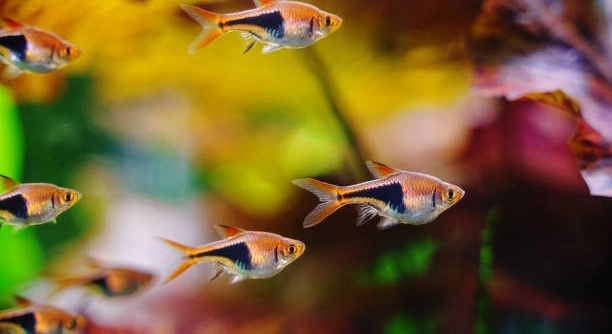
Introducing rasboras to a new tank can be both exciting and nerve-wracking. These small, peaceful fish need stable conditions to thrive. Preparing the tank properly and understanding their needs is essential for their successful adjustment.
The best way to introduce rasboras is through gradual acclimation. Slowly adjusting them to the new water parameters, monitoring temperature, and minimizing stress ensures the fish adapt without shock, supporting their health, behavior, and long-term survival in the aquarium.
Proper introduction techniques can prevent illness and promote harmony in your tank. Learning these steps ensures your rasboras settle in smoothly and remain healthy.
Preparing the Tank
Before introducing rasboras, the tank must be fully cycled and stable. Ensure the water is clean, with ammonia and nitrite levels at zero. Maintain a temperature between 72–78°F, and test the pH to stay around 6.5–7.5. Adding live plants and hiding spots can reduce stress and create a natural environment. Avoid sudden changes in lighting or filtration, as these can startle the fish. Regular water changes, about 25% weekly, keep the environment healthy. Gravel or sand substrate should be rinsed thoroughly to prevent debris buildup. Smooth decorations and plants help avoid injury. Aeration is important since rasboras enjoy gently flowing water. Before introducing the fish, remove strong-smelling soaps or chemicals from the tank area. Observing the tank for a few days prior ensures the environment is stable, and any fluctuations can be corrected. Taking these steps creates a safe and calm habitat for new arrivals.
Proper preparation makes acclimation easier and reduces stress on the fish. The right conditions encourage healthy behavior and swimming patterns.
Rasboras respond well to gradual adjustments in a stable environment. Introducing them to a prepared tank helps them explore, feed, and interact naturally. Stressful conditions often lead to illness or hiding, but with care, they adapt smoothly. A calm tank encourages natural schooling and bright coloration, making observation enjoyable. Setting up the tank properly prevents common mistakes and promotes long-term health, giving these small fish the best chance to thrive.
Acclimating Your Rasboras
Acclimation should be slow to avoid shocking the fish. Float the sealed bag in the tank for 15–20 minutes to match the temperature.
Next, gradually add small amounts of tank water into the bag over an hour. This process balances pH and hardness between the original water and the tank water. Avoid dumping the fish directly into the tank, as sudden changes can stress them. Observe their behavior during this period; if they appear lethargic or gasp at the surface, slow the process further. Once acclimated, gently release them using a net rather than pouring the water. Monitor them closely for the first few hours to ensure they swim normally and start exploring. This method significantly reduces mortality and promotes healthier adjustment.
After careful acclimation, rasboras tend to school and feed confidently. Watching them settle shows the effectiveness of a patient approach. Consistency during this phase builds trust in the environment.
Feeding and Observation
Feed rasboras small amounts twice daily. Use high-quality flakes or micro-pellets that sink slowly. Watch how they eat to ensure all fish get food and none are left out. Remove uneaten food to prevent water issues.
Consistent feeding helps establish routines and keeps rasboras healthy. Overfeeding can pollute the water, so measure portions carefully. Variety in diet, including occasional live or frozen foods like daphnia or brine shrimp, promotes growth and coloration. Observe their behavior while feeding; active swimming and quick responses indicate comfort and health. Any signs of lethargy, loss of appetite, or unusual hiding may suggest stress or water imbalance, requiring immediate attention.
Observation extends beyond feeding. Note their interactions with tank mates, schooling patterns, and response to the environment. Healthy rasboras swim together in small groups, exploring the tank but rarely showing aggression. Sudden hiding, erratic swimming, or gasping at the surface are signs the tank conditions need adjustment. Maintaining water quality, temperature, and proper diet ensures they remain vibrant and active. Tracking these patterns daily makes it easier to detect changes early and prevent problems before they become serious.
Tank Maintenance and Water Quality
Regular water changes are essential. Replace 20–25% weekly to maintain clean and balanced conditions. Check filter performance and clean it when necessary.
Testing water frequently ensures ammonia, nitrite, and nitrate levels stay safe. Temperature, pH, and hardness must remain within ideal ranges for rasboras. Clean decorations, remove debris, and siphon the substrate during changes. Avoid harsh chemicals that can harm fish. Maintaining consistent water flow and aeration helps oxygen levels. Observation during water changes lets you spot early signs of disease or stress. Adjusting care routines when needed prevents long-term health problems. A well-maintained tank supports stable schooling, feeding behavior, and coloration, reducing stress and mortality.
Choosing Compatible Tank Mates
Select peaceful species that share similar water preferences. Avoid aggressive or larger fish that may stress or harm rasboras. Small tetras, guppies, and peaceful bottom dwellers often work well.
Rasboras feel secure in groups of six or more. Keeping them with calm fish helps maintain natural schooling behavior and reduces hiding. Compatibility improves feeding, reduces stress, and encourages vibrant coloration.
Lighting and Plants
Moderate lighting suits rasboras best. Bright lights may stress them, while too dim lighting can affect plant growth and activity. Use a timer to maintain a consistent day-night cycle. Floating plants can provide shade and comfort, mimicking their natural habitat. Proper light balance supports health and behavior.
Monitoring Health
Check for signs of disease like spots, fin damage, or unusual swimming. Early detection helps prevent serious problems.
FAQ
How many rasboras should I keep in a tank?
Rasboras are schooling fish, so they feel safest in groups. A minimum of six is recommended, but larger groups of eight to twelve are ideal. Keeping them in smaller numbers can lead to stress and hiding, which affects their health and natural behavior.
Can I mix rasboras with other fish?
Yes, but choose peaceful species with similar water requirements. Avoid aggressive fish that may nip fins or chase them. Small tetras, guppies, and some dwarf corydoras make good tank mates. Observe interactions carefully during the first few days to ensure everyone coexists peacefully.
How often should I feed my rasboras?
Feed them twice daily with small portions. Overfeeding can pollute the water and cause health issues. Flakes or micro-pellets are suitable, and occasional live or frozen foods like daphnia or brine shrimp can boost nutrition and coloration. Remove leftover food promptly.
What water conditions do rasboras prefer?
They thrive in temperatures between 72–78°F with a pH of 6.5–7.5. Water hardness should be moderate. Stable, clean water is essential. Regular testing for ammonia, nitrites, and nitrates helps prevent stress and disease. Sudden fluctuations in temperature or pH can harm them quickly.
How do I acclimate rasboras to a new tank?
Float the sealed bag in the tank for 15–20 minutes to match temperature. Gradually add small amounts of tank water to the bag over an hour. This balances pH and hardness. Finally, release the fish gently with a net rather than pouring water from the bag.
What are signs of stress in rasboras?
Stress can appear as hiding, lethargy, erratic swimming, or gasping at the surface. Loss of appetite and faded coloration are also indicators. Poor water quality, aggressive tank mates, or sudden environmental changes often cause stress. Prompt attention can prevent illness.
Do rasboras need plants in the tank?
Yes, live or artificial plants provide shelter and mimic their natural habitat. Floating plants create shaded areas, which help them feel secure. Plants also improve water quality and reduce stress, encouraging natural schooling and active swimming.
How often should I clean the tank?
Partial water changes of 20–25% weekly are recommended. Clean decorations and siphon the substrate to remove debris. Avoid harsh chemicals and maintain filter performance. Regular maintenance supports water quality, reduces disease risk, and keeps rasboras active and healthy.
Can rasboras breed in a home aquarium?
Yes, but they require specific conditions. Slightly acidic water, dim lighting, and plenty of plants for spawning are important. Males display brighter colors when ready. Remove adults after eggs are laid, as they may eat the fry. Fry should be fed tiny foods like infusoria initially.
What is the lifespan of a rasbora?
Most rasboras live between 3–5 years with proper care. Stable water conditions, a balanced diet, and low-stress environments extend their lifespan. Monitoring health and responding to early signs of illness help ensure they reach their full potential.
How do I prevent disease in rasboras?
Maintain clean water, stable conditions, and proper diet. Quarantine new fish before adding them to the tank. Avoid overcrowding and monitor for unusual behavior. Early detection and treatment are crucial for preventing common diseases like ich or fin rot.
Can rasboras live in a community tank?
Yes, as long as tank mates are peaceful and water conditions match their needs. They are non-aggressive and enjoy schooling, so they often thrive in community setups with calm, similarly sized fish. Careful planning prevents stress and territorial disputes.
How do I handle a sick rasbora?
Isolate the fish in a quarantine tank to prevent disease spread. Test water and check for infection signs. Medicate if necessary using appropriate treatments. Maintain stable water conditions and reduce stress to support recovery. Observing behavior helps track improvement and prevent relapse.
Are rasboras sensitive to water changes?
Yes, sudden or large water changes can shock them. Gradual partial changes are best. Ensure new water matches temperature, pH, and hardness closely. Frequent small adjustments are safer and help maintain stable conditions without stressing the fish.
What equipment is essential for a rasbora tank?
A reliable filter, heater, thermometer, and lighting are essential. Substrate, decorations, and plants provide comfort. Aeration helps maintain oxygen levels. Consistent equipment use ensures stable conditions, which is crucial for healthy schooling behavior and overall well-being.
How can I encourage natural schooling behavior?
Keep rasboras in groups and avoid aggressive tank mates. Provide open swimming areas and plants for hiding. Consistent lighting, feeding routines, and low-stress conditions help them swim together naturally, displaying vibrant colors and active movement.
What is the best substrate for rasboras?
Fine gravel or sand is ideal. Rinse thoroughly before use to prevent clouding and debris buildup. A smooth substrate reduces injury risk while allowing natural foraging and movement. It also complements plants and decorations for a comfortable habitat.
Can rasboras tolerate slightly different water parameters?
They can adapt moderately, but extreme changes in temperature, pH, or hardness can cause stress or illness. Gradual adjustments are safer, and constant monitoring helps maintain stable conditions. Stability is more important than exact numbers for their health and behavior.
How do I introduce new fish with rasboras?
Quarantine new fish first and check compatibility. Introduce them gradually, observing interactions. Avoid overcrowding and maintain proper water quality. Monitor behavior closely during the first week to prevent stress or aggression, ensuring a smooth integration.
Do rasboras require supplements or vitamins?
High-quality food usually meets their nutritional needs. Occasional live or frozen foods provide extra nutrients and variety. Supplements are rarely necessary if diet and water conditions are maintained properly. Observing coloration and activity helps assess their overall health.
What should I do if my rasboras hide constantly?
Check water quality, tank mates, and lighting. Hiding often indicates stress, poor health, or inappropriate conditions. Provide more plants or shelters temporarily, and monitor feeding and swimming behavior. Adjustments usually help them regain confidence and normal activity.
How fast do rasboras grow?
Growth varies by species, diet, and water quality. Most reach full size within 6–12 months. Consistent feeding, clean water, and stable conditions promote steady growth and vibrant coloration. Observing them regularly ensures they develop normally.
Can rasboras live alone?
No, they need companionship. Solitary fish become stressed, hide frequently, and may show signs of illness. Maintaining a small group supports natural schooling, social interaction, and overall health.
Are rasboras sensitive to light and noise?
Yes, they prefer moderate lighting and minimal sudden disturbances. Bright lights or loud noises can stress them, causing hiding, reduced feeding, or erratic swimming. Providing shade, plants, and a calm environment encourages comfort and natural behavior.
What temperature fluctuations are safe for rasboras?
Keep variations within 2–3°F daily. Large swings in temperature can shock them, leading to stress or disease. Using a reliable heater and thermometer ensures stable, comfortable conditions. Gradual adjustments are safer if changes are necessary.
How do I know if my rasboras are happy?
Active swimming, schooling, bright colors, and regular feeding indicate good health and comfort. They explore the tank but return to the group naturally. Calm, consistent behavior shows they feel secure in their environment.
Introducing rasboras to a new tank requires careful preparation and attention. They are small, peaceful fish that thrive in stable, well-maintained environments. Setting up the tank with proper filtration, temperature control, and hiding spots helps reduce stress and encourages natural behavior. Gradual acclimation is key to ensuring they adapt safely. Floating the bag to match temperature and slowly adding tank water allows the fish to adjust to new conditions without shock. Monitoring their response during this period is important, as it ensures they remain active and healthy while preventing unnecessary stress. Taking these steps from the start creates a calm and balanced environment that supports their long-term well-being.
Maintaining water quality is equally essential for rasboras. Regular partial water changes, monitoring ammonia, nitrites, and nitrates, and cleaning decorations and substrate keep the tank stable. Rasboras are sensitive to sudden changes in temperature or pH, so gradual adjustments are necessary if any parameters shift. Observing their behavior daily helps detect early signs of stress or disease. Healthy rasboras swim actively, school together, and respond to feeding routines with interest. Providing a balanced diet with high-quality flakes or micro-pellets, along with occasional live or frozen foods, supports growth, coloration, and overall vitality. These small, consistent practices ensure the fish remain vibrant, active, and comfortable in their environment.
Tank mates and plants also play an important role in their care. Rasboras do best with peaceful fish that share similar water requirements, and they feel secure in groups of six or more. Live or artificial plants provide shade, shelter, and comfort, mimicking natural habitats and reducing stress. Proper lighting, moderate water flow, and consistent routines help maintain normal schooling behavior and feeding patterns. Observing interactions with tank mates allows for early detection of potential issues and ensures a harmonious community tank. By paying attention to all these factors—acclimation, water quality, diet, and environment—you create a safe, healthy, and engaging space where rasboras can thrive for years.

Hello,
If you enjoy the content that we create, please consider saying a "Thank You!" by leaving a tip.
Every little bit helps us continue crafting quality advice that supports the health, happiness, and well-being of pets around the world, for pets of all shapes, sizes, and species.
We really appreciate the kindness and support that you show us!