
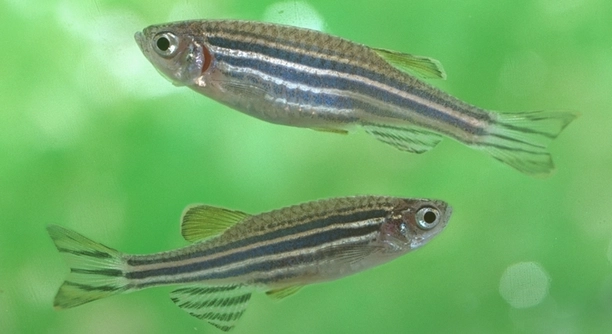
Introducing new zebra danios to your aquarium can be a challenging process. If not done carefully, it can lead to stress, aggression, or even harm. Properly introducing these fish is essential to maintaining a peaceful environment in your tank.
To successfully introduce new zebra danios, acclimate them slowly to your tank’s water conditions. Begin by floating their bag in the aquarium for 15 to 30 minutes, then gradually add small amounts of tank water to the bag before releasing them.
Taking the right steps in acclimation will help your new zebra danios settle in smoothly and prevent chaos in your aquarium.
Preparing Your Aquarium for New Zebra Danios
Before adding new zebra danios to your aquarium, it’s important to ensure that the environment is suitable for them. Zebra danios are active and social fish, so a tank that is too small or lacks hiding spots can cause stress. Start by ensuring the water temperature is between 70-78°F (21-26°C) and the pH level is within the range of 6.5 to 7.5. Clean the tank and test the water quality to make sure the levels of ammonia, nitrites, and nitrates are safe. Having live plants and rocks can help give the danios places to explore, reducing anxiety.
Make sure the filter is working properly before introducing new fish to the tank. A good filter will keep the water clean and maintain oxygen flow, which is essential for zebra danios.
When setting up your aquarium for zebra danios, include small decorations or plants they can swim around. This creates an inviting atmosphere where they feel safe, reducing the chance of territorial aggression from other fish.
Acclimating Your New Zebra Danios
Acclimating your new zebra danios is a crucial step in ensuring they adapt without stress. It’s best to avoid simply adding them directly into the tank, as this can shock their system. Instead, float the bag containing the fish in the tank to allow the water temperatures to equalize. This helps them adjust slowly to the new environment.
Gradually add small amounts of tank water to the bag every 5 to 10 minutes. This process helps them adjust to the water’s chemistry, reducing the likelihood of shock. After about 30 minutes, gently release the fish into the tank.
Proper acclimation may take a bit of time, but it is necessary for the health of your new zebra danios.
Monitoring Behavior After Introduction
After introducing zebra danios, observe their behavior closely. They should swim actively with the rest of the tank’s inhabitants. If you notice that they are hiding or not moving much, it could indicate stress or that they are not adjusting well.
A common sign of stress is rapid swimming or staying near the surface. If this happens, it might mean the tank’s water quality needs adjustment. Be sure to check the water parameters regularly, especially in the first few days.
Additionally, watch for signs of aggression, either from the new zebra danios or existing tank mates. If fighting occurs, try rearranging tank decorations to disrupt established territories and give everyone a fresh start.
Maintaining Tank Health for New Fish
To ensure long-term success with your zebra danios, keep up with regular water changes. About 25% of the water should be replaced every week to maintain clean, healthy conditions. This practice not only improves water quality but also reduces the chances of harmful bacteria building up.
Make sure the filtration system is working efficiently, as poor filtration can lead to imbalanced water conditions. Zebra danios are hardy, but proper tank maintenance helps them thrive. Additionally, avoid overcrowding the tank, as this can stress the fish and lead to aggressive behavior.
By maintaining a healthy tank, you create an environment where zebra danios can flourish without any problems.
Dealing with Aggression
If aggression occurs, it’s important to address it promptly. Zebra danios can sometimes become territorial, especially in smaller tanks. If one fish is being bullied, it’s best to separate the aggressor temporarily.
Rearranging the tank’s decorations helps to break up established territories, allowing fish to settle in without competing for space. This often reduces aggressive behavior.
Monitor the tank for signs of bullying, such as one fish chasing another or nipping at fins. If aggression continues, adding more hiding spots or adjusting the tank’s layout can help.
Feeding Your New Zebra Danios
Zebra danios are easy to feed and enjoy a varied diet. A combination of high-quality flakes, pellets, and occasional live or frozen foods like brine shrimp or daphnia will keep them healthy. Feed them small amounts 2-3 times a day to avoid overfeeding.
Always ensure the food is appropriate for their size and age. Overfeeding can cause water quality issues, so only offer as much as they can consume in a few minutes. Remove uneaten food promptly to prevent it from decomposing in the tank.
Checking Water Parameters Regularly
Maintaining stable water parameters is essential for the health of your zebra danios. Test for ammonia, nitrites, and nitrates weekly to ensure the water remains safe. Any fluctuation in these levels can stress your fish and lead to health problems.
Keeping a log of your tank’s water conditions helps spot any patterns that could indicate an issue. If you notice spikes in harmful substances, perform a water change immediately to correct the balance.
FAQ
How many zebra danios should I keep together?
Zebra danios are social fish and thrive in groups. It’s best to keep at least 5-6 zebra danios together. Keeping them in small groups helps reduce stress and promotes natural schooling behavior. In larger groups, they tend to be more active and feel safer, which reduces aggression. If you only have a few, one or two may become stressed or more vulnerable to bullying.
Can zebra danios live with other fish?
Yes, zebra danios are peaceful and can live with a variety of other fish. They’re often kept with other community fish like tetras, guppies, and platys. However, avoid keeping them with overly aggressive species, as they may become targets. Zebra danios do best in tanks with peaceful tankmates who aren’t large enough to view them as prey.
What is the ideal tank size for zebra danios?
The minimum recommended tank size for zebra danios is 10 gallons, especially if you plan to keep a small school of them. A larger tank will allow them to swim freely and reduce territorial stress. Keep in mind that adding more fish will require a larger tank to maintain proper water conditions. A 20-gallon tank is even better for a larger group of zebra danios.
What water temperature do zebra danios need?
Zebra danios prefer water temperatures between 70-78°F (21-26°C). They can tolerate a range of temperatures but do best in stable conditions. Avoid temperature fluctuations, as rapid changes can stress the fish and weaken their immune system. Using a reliable heater can help maintain a consistent temperature, especially in cooler environments.
How often should I feed zebra danios?
Feed zebra danios 2-3 times per day, offering small amounts of food each time. Overfeeding can lead to water quality issues and obesity. They’re omnivores, so they’ll eat a variety of foods, including high-quality flakes, pellets, and occasional live or frozen foods like brine shrimp or daphnia. Remove uneaten food after a few minutes to prevent contamination.
Can zebra danios live in cold water?
Zebra danios are adaptable and can live in colder water, but they do better in slightly warmer conditions. If you’re keeping them in a tank with other cold-water species, such as goldfish, it’s okay to maintain the water temperature between 65-70°F (18-21°C). However, for optimal health and activity, slightly warmer temperatures are recommended.
How do I know if my zebra danios are stressed?
Stressed zebra danios often display erratic swimming patterns, such as rapid swimming or hanging near the surface. They may also hide more frequently and avoid interacting with tankmates. Other signs of stress include loss of appetite or faded colors. If you notice these symptoms, check the water quality, tank mates, and temperature to address potential issues.
What should I do if my zebra danios are fighting?
If your zebra danios are fighting, first ensure the tank is large enough and has enough hiding spots to reduce territorial behavior. You can rearrange decorations to break up established territories. If the fighting continues, consider separating the aggressive fish temporarily or adding more zebra danios to dilute the aggression.
How long do zebra danios live?
Zebra danios typically live for 2-5 years, with proper care. They can live longer if they’re kept in stable water conditions, fed a balanced diet, and not exposed to stressful situations. However, their lifespan can be shorter if water quality is poor or if they’re stressed for extended periods.
Do zebra danios breed easily?
Yes, zebra danios breed readily in home aquariums. They are egg layers, and females typically produce eggs in the presence of a male. To increase the chances of breeding, provide a separate breeding tank with plants or fine mesh to catch the eggs. After spawning, it’s best to remove the adult fish, as they may eat the eggs.
Are zebra danios hardy fish?
Zebra danios are considered hardy, making them a good choice for beginners. They can tolerate a wide range of water conditions, including slight fluctuations in temperature and pH. However, they still require regular water changes and proper care to ensure they stay healthy. They are resistant to many common fish diseases but can still be susceptible if water quality is poor.
What type of tank filtration do zebra danios need?
Zebra danios prefer tanks with moderate filtration. A filter with gentle water flow is ideal, as strong currents can stress them. Make sure the filter is large enough for the size of the tank. Good filtration helps maintain water quality by removing debris, toxins, and excess nutrients, creating a healthier environment for your zebra danios.
Can zebra danios live with plants in the tank?
Yes, zebra danios can live with plants, and many aquarium plants are beneficial for them. Live plants help maintain water quality by absorbing excess nutrients and providing hiding spots. Zebra danios are not destructive to plants, and they often swim through them or rest near them. Plants also improve the aesthetic appeal of the tank, making it feel more natural.
Final Thoughts
Introducing new zebra danios to your aquarium doesn’t have to be a stressful experience. With careful planning and attention, you can ensure that the transition goes smoothly and that your new fish thrive. The key is to create a stable environment with good water quality and a peaceful atmosphere. By monitoring the tank’s conditions and the behavior of all fish, you can quickly address any issues that arise.
Taking steps like acclimating your zebra danios slowly to the water, keeping their tank mates in mind, and maintaining consistent water parameters are essential for a successful introduction. Zebra danios are hardy, but they still need the right conditions to feel comfortable and healthy. Regular tank maintenance, including water changes and proper feeding, will help ensure they stay in good shape.
In the long run, zebra danios are easy to care for, making them a great choice for beginner fishkeepers. With proper care, they will live happily in your tank, adding vibrant movement and energy to your aquarium. By following the steps outlined, you’ll create a healthy and balanced environment for all your fish. Enjoy the process and watch as your zebra danios adjust to their new home.

Hello,
If you enjoy the content that we create, please consider saying a "Thank You!" by leaving a tip.
Every little bit helps us continue crafting quality advice that supports the health, happiness, and well-being of pets around the world, for pets of all shapes, sizes, and species.
We really appreciate the kindness and support that you show us!