
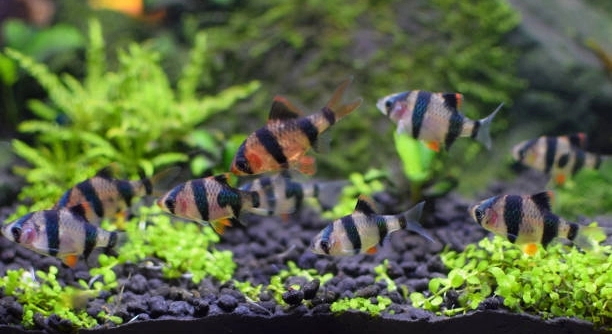
Introducing new tiger barbs into your aquarium requires careful steps to keep your fish healthy and stress-free. Proper preparation and understanding of their needs can help create a peaceful environment for your aquatic pets. This guide will walk you through the basics of safe introduction.
The safest method for introducing new tiger barbs involves quarantining the fish, gradually acclimating them to the tank’s water, and monitoring for signs of stress or illness. These steps minimize disease risk and aggression among the fish population.
Following these simple but important practices ensures your tiger barbs adjust smoothly and thrive in their new home.
Preparing the Tank for New Tiger Barbs
Before adding new tiger barbs, make sure the tank is clean and the water conditions are stable. Test the water for temperature, pH, and ammonia levels. Tiger barbs prefer temperatures between 74-79°F and a pH of 6.5 to 7.0. Remove any uneaten food or debris to reduce bacteria buildup. It’s also important to have hiding spots like plants or decorations where the fish can feel secure. A well-prepared tank helps reduce stress and lowers the chance of illness when introducing new fish.
Quarantining the new fish separately for two weeks before adding them to the main tank can prevent diseases.
Quarantine tanks should have similar water conditions to the main tank. During this time, observe the tiger barbs closely for any signs of sickness or unusual behavior. This extra step keeps your entire tank safer.
Acclimating Your New Tiger Barbs
Acclimation helps the fish adjust to the new water environment gradually. Start by floating the sealed bag with the fish in the tank for about 15 to 20 minutes. This allows the water temperature in the bag to match the tank’s temperature. Next, slowly add small amounts of tank water into the bag every 10 minutes. Continue this for about an hour. This gradual process helps the fish adapt to any differences in water chemistry, reducing shock and stress when fully released.
When ready, gently release the fish into the tank. Avoid pouring the bag water into the aquarium to prevent contamination. Taking the time to acclimate new tiger barbs carefully can lead to a healthier and more peaceful tank environment. The fish will settle in more quickly and show less aggression toward existing tank mates.
Introducing New Tiger Barbs to the Main Tank
Slowly release the tiger barbs into the main tank after acclimation. Avoid dumping the bag water directly into the aquarium to reduce contamination risk.
After placing the fish in the tank, watch their behavior closely. New tiger barbs can be shy or aggressive at first. Give them time to explore and get used to their new surroundings. It’s normal for them to hide or dart around nervously during the first few hours. Avoid feeding immediately; wait until they seem calm.
Keep an eye on interactions with other fish. Tiger barbs can be territorial, especially in small groups or crowded tanks. If aggression becomes an issue, adding more tiger barbs can help spread the attention and reduce fighting. A well-balanced group usually behaves better than a few isolated fish.
Monitoring Health and Behavior
Check the new fish daily for signs of illness such as spots, discoloration, or labored breathing. Prompt action helps prevent spreading disease to the entire tank.
Stress can weaken a tiger barb’s immune system, so maintain clean water and proper temperature. Feeding a varied diet with quality flakes or pellets and occasional live food supports their health. If any fish shows signs of persistent stress or injury, consider isolating it for treatment or further observation. Maintaining a calm environment reduces stress and helps all fish thrive together.
Reducing Aggression Among Tiger Barbs
Adding more tiger barbs can help reduce aggression by spreading out territorial behavior. A group of at least six is ideal to balance their natural tendencies.
Providing plenty of hiding spots with plants and decorations also helps fish feel secure and less likely to fight.
Feeding Tips for New Tiger Barbs
Feed your tiger barbs a balanced diet to keep them healthy and active. Use high-quality flakes or pellets designed for tropical fish, supplemented with occasional live or frozen foods like bloodworms or brine shrimp. Feed small amounts twice daily to avoid overfeeding, which can harm water quality and fish health.
Maintaining Water Quality
Regular water changes and filter maintenance are essential to keep water clean. Clean water reduces stress and supports your tiger barbs’ immune systems, helping them stay healthy.
Observing Social Behavior
Watch how your tiger barbs interact. Healthy groups swim actively and show minimal chasing or bullying.
FAQ
How long should I quarantine new tiger barbs before adding them to the main tank?
Quarantine new tiger barbs for at least two weeks. This period allows you to monitor them for any signs of illness or parasites. Quarantining helps prevent introducing diseases to your main tank and gives the fish time to recover from any stress caused by transportation.
What is the best water temperature for tiger barbs?
Tiger barbs thrive in water temperatures between 74°F and 79°F. Keeping the temperature stable within this range helps reduce stress and supports their immune system. Sudden temperature changes can shock the fish, so use a reliable heater and thermometer to maintain steady conditions.
How many tiger barbs should be kept together?
It’s best to keep tiger barbs in groups of six or more. This helps reduce aggression by dispersing territorial behavior. Smaller groups may lead to increased fighting and stress, so a larger school promotes natural social interaction and peaceful coexistence.
What signs indicate stress or illness in tiger barbs?
Watch for unusual behavior such as hiding excessively, loss of appetite, gasping at the surface, or faded colors. Physical signs include white spots, red streaks, or torn fins. Early detection of these symptoms can help prevent disease spread and improve treatment success.
How do I acclimate tiger barbs to a new tank?
Start by floating the sealed bag in the tank for 15 to 20 minutes to match water temperatures. Then, gradually add small amounts of tank water to the bag every 10 minutes over about an hour. This slow adjustment helps reduce shock from changes in water chemistry.
Can tiger barbs live with other fish?
Yes, but choose tank mates carefully. Tiger barbs are semi-aggressive and may nip fins of slower or long-finned fish. Suitable companions include fast-moving species like danios, barbs, or larger tetras. Avoid slow or delicate fish to prevent stress and injury.
What should I feed tiger barbs?
Feed a balanced diet using high-quality flakes or pellets designed for tropical fish. Supplement their diet with live or frozen foods such as bloodworms, brine shrimp, or daphnia. Feeding small amounts twice daily prevents overfeeding and helps maintain good water quality.
How often should I clean the tank when housing tiger barbs?
Perform partial water changes of about 25% every one to two weeks. Regular cleaning prevents buildup of harmful toxins and keeps the water clear. Maintain the filter properly by rinsing or replacing media as needed to ensure efficient operation.
What are common causes of aggression among tiger barbs?
Aggression often arises from overcrowding, lack of hiding spots, or keeping too few tiger barbs. Ensuring a larger group and providing plants or decorations to break sight lines reduces stress and territorial disputes. Monitoring behavior helps address problems early.
Can tiger barbs jump out of the tank?
Yes, tiger barbs are active swimmers and may jump, especially if startled or overcrowded. Use a secure lid on your tank to prevent escapes and protect your fish. Maintaining good water quality and a peaceful environment reduces jumping behavior.
Introducing new tiger barbs into your aquarium can be a smooth process when done carefully. Taking the right steps—from preparing the tank to quarantining and acclimating the fish—helps create a healthy and peaceful environment. These actions reduce stress and illness risks, which are common challenges when bringing new fish home. By paying attention to water quality, feeding, and social behavior, you give your tiger barbs the best chance to thrive and live happily together.
Patience is important when adding new tiger barbs. They may act shy or nervous at first, and their behavior can take time to settle. Watching them closely during the first days helps you notice any signs of illness or aggression early on. If problems arise, addressing them quickly can prevent larger issues in your tank. Remember, tiger barbs are naturally active and sometimes a little territorial, so providing enough space and hiding places makes a big difference. Keeping a group of six or more can also help balance their interactions.
Maintaining good care habits after introduction ensures long-term success. Regular water changes and monitoring health will keep your tank stable and clean. Feeding a balanced diet and creating a calm environment supports your tiger barbs’ well-being. When you follow these guidelines, you help your fish adjust safely and enjoy their new home. Taking these simple but important steps benefits both the fish and the overall aquarium community.

Hello,
If you enjoy the content that we create, please consider saying a "Thank You!" by leaving a tip.
Every little bit helps us continue crafting quality advice that supports the health, happiness, and well-being of pets around the world, for pets of all shapes, sizes, and species.
We really appreciate the kindness and support that you show us!