
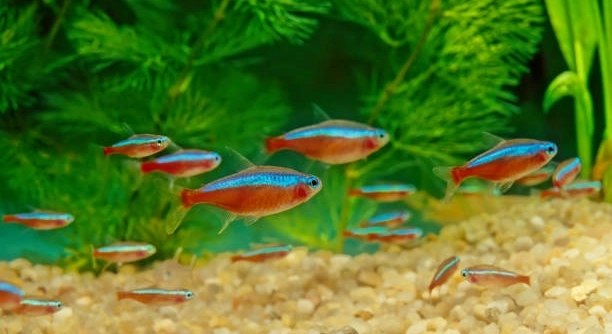
Are your neon tetras hiding more often or showing signs of stress after adding new fish to the tank?
The best way to introduce new neon tetra to an existing tank is by following a careful seven-step process that includes quarantine, gradual acclimation, and observation. This method minimizes stress and prevents the spread of disease.
Learning the right steps will help your fish feel comfortable and safe, creating a peaceful and balanced tank environment.
Step 1: Quarantine the New Neon Tetras
Before introducing new neon tetras to your established tank, place them in a separate quarantine tank for at least two weeks. This step helps prevent spreading illnesses to your existing fish. Sometimes, new fish may look healthy but carry parasites or bacterial infections that take time to show up. During this period, observe the new fish closely for any changes in behavior, color, or appetite. Provide them with clean water, proper filtration, and similar conditions to your main tank. If any signs of sickness appear, treat them while they’re still isolated. Quarantine also gives your new tetras time to adjust and gain strength before meeting their tank mates. Skipping this step can lead to stress and illness for the entire tank, so it’s worth the extra effort.
Quarantining helps create a safer environment for both new and existing fish. It reduces the risk of stress and unwanted health issues in your main tank.
Once the quarantine period ends and your new tetras look healthy, they’ll be ready for the next stage. It’s important not to rush. Patience here will pay off with a peaceful, thriving community tank. Keeping stress levels low from the start helps the fish settle in more easily later on.
Step 2: Match Water Conditions
Matching the water temperature, pH, and hardness between tanks keeps the new fish from going into shock.
Before moving your new tetras from quarantine to the main tank, test both tanks’ water parameters. This includes temperature, pH, ammonia, nitrite, and nitrate levels. Neon tetras are sensitive, and even small differences in water conditions can affect their health. If the water in the quarantine tank is significantly different, make small adjustments over a few days. Use a heater to match the temperature and conditioners to adjust pH if needed. The goal is to make the transition feel seamless to the fish. If your tanks already use the same source water and are maintained similarly, this step should be simple. However, it’s still important to double-check. Smooth water conditions help the new tetras settle in without stress, making them less likely to hide or get sick. This careful preparation also supports the health of your current fish.
Step 3: Use the Drip Acclimation Method
Drip acclimation helps your new tetras slowly adjust to the main tank’s water without stress or shock.
Start by placing the quarantined fish in a clean container with their current water. Use airline tubing to siphon water from the main tank into the container. Make sure the flow is slow—about 2–4 drops per second. This gradual mix allows the fish to get used to the new temperature, pH, and other chemical levels. Let this process run for about an hour. Once the water volume has doubled, gently net the fish and place them in the main tank. Avoid pouring any water from the container into the tank. This step minimizes stress and protects your tank from contamination. Acclimating slowly helps keep your fish healthy and calm.
This method might take a little longer than just floating the bag, but it’s much safer. Quick changes can upset the fish and affect their immune systems. Taking the time to do this right makes a big difference. It also sets a calm tone for the new fish as they enter their new space. You’re helping them adjust in a way that feels natural and less overwhelming. This can lead to fewer problems in the following days.
Step 4: Rearrange Tank Decorations
Changing the layout of your tank can help reduce territorial behavior and aggression in established fish.
Before adding your new tetras, take a few minutes to move around some plants, rocks, or other decorations in your tank. This makes the space feel unfamiliar to all the fish, which helps reset boundaries. When everything looks different, your existing fish are less likely to act territorial. It encourages them to explore and shift their focus instead of defending old hiding spots. Even just small changes like rotating a cave or moving a plant can help. This step is easy to do but makes the introduction feel smoother for both groups of fish.
Rearranging also helps your new tetras find places to hide as they settle in. Having shaded spots or plants to swim through gives them a sense of safety. It’s common for new fish to be a little nervous, so creating safe zones can help them feel secure. A tank with more hiding spots often has less aggression and stress. This creates a more peaceful environment overall. Plus, it’s a good chance to clean or remove any worn-out decorations while you’re at it.
Step 5: Add the New Tetras with the Lights Off
Turn off the tank lights before adding the new fish. This helps lower stress and prevents sudden movements. Fish tend to be calmer in dim light, and it reduces aggression from existing tank mates. Leave the lights off for a few hours after adding them.
Dim lighting gives the new tetras time to adjust without feeling exposed. It also makes existing fish less likely to react aggressively. A calm introduction period can help prevent chasing or nipping. When the lights come back on, things usually feel more settled for everyone in the tank.
Step 6: Monitor Behavior and Health
After the new tetras are added, observe the tank closely for the next few days. Watch for signs of stress like clamped fins, lack of appetite, or hiding for long periods. Also, check for any chasing or aggression from other fish. This early stage is when problems are most likely to appear. If you notice anything unusual, you can make small changes like adjusting décor again or providing extra hiding spots. Keep feeding routines steady and do not overfeed. Stable water quality and a calm environment make a big difference during this time. Early attention helps prevent long-term issues.
Step 7: Feed Lightly at First
Feed a small amount after the new fish are added. Light feeding reduces waste and keeps water quality stable during this sensitive time. It also helps you observe how all the fish behave and eat together.
FAQ
How long should I quarantine new neon tetras?
Quarantine your new neon tetras for at least two weeks. This allows you to observe them for any signs of illness and ensures they don’t introduce diseases into your main tank. It’s crucial to be patient during this period. Any health issues that show up early can be treated before they spread. The quarantine tank should have similar conditions to the main tank, including temperature and pH, to help the tetras adjust smoothly once they are introduced.
Can I add new neon tetras to a tank with other species?
Yes, neon tetras generally do well with peaceful community fish. However, make sure that your other species are non-aggressive and won’t see the neon tetras as food. Avoid aggressive fish that might stress or harm the tetras. A calm, balanced tank will allow all species to thrive together. If you’re uncertain about compatibility, research the temperament of any other fish before introducing them.
What is the best way to acclimate neon tetras to a new tank?
The drip acclimation method is best for neon tetras. This slow process helps them adjust to differences in water temperature, pH, and hardness without shock. Adding small amounts of water from the main tank to the quarantine container over a period of an hour allows the fish to gradually get used to the new environment. Once acclimated, carefully transfer them to the main tank. This reduces stress and helps them settle in.
What should I do if my new tetras are hiding after introduction?
It’s normal for new tetras to hide for the first few days as they adjust to their new environment. Make sure your tank has plenty of hiding spots, such as plants and decorations, to give them a sense of security. Monitor their behavior, but avoid disturbing them too much. They will likely become more active as they become familiar with the tank. If hiding continues for an extended period or if they show signs of illness, reevaluate their environment and water conditions.
How can I reduce aggression when adding new fish?
Aggression can often be reduced by rearranging tank décor before introducing new fish. Changing the layout makes the tank feel unfamiliar to all fish, minimizing territorial behavior. Also, ensure your tank is not overcrowded, as this can lead to stress and competition for space. Adding fish gradually and ensuring they are compatible in size and temperament can also help keep aggression levels low.
What should I do if my neon tetras are not eating?
If your neon tetras aren’t eating after being introduced to the tank, it could be due to stress, water quality issues, or an unfamiliar environment. Check the water parameters to ensure they are within the correct range. If the water quality is good, try feeding them smaller amounts of food at different times of the day. If they still refuse to eat after a couple of days, it may be worth checking for any signs of illness or seeking advice from a professional.
Is it safe to add neon tetras to a tank with other species of tetra?
Yes, neon tetras can generally coexist peacefully with other species of tetra. They usually prefer being in groups, so adding other peaceful tetras can make them feel more comfortable. However, ensure that the other tetras are not overly aggressive or too large. Fish that are too aggressive may stress or outcompete the neon tetras for food and space.
Can I add neon tetras to a tank with shrimp or snails?
Neon tetras are generally safe to add to tanks with shrimp and snails. They will not usually bother snails, and they tend to leave shrimp alone, as long as the shrimp are not too small. However, some larger shrimp species, like the Amano shrimp, may be more capable of defending themselves. It’s important to ensure that all tank mates are compatible in terms of size and temperament.
How can I tell if my neon tetras are stressed?
Signs of stress in neon tetras can include hiding for long periods, clamped fins, loss of color, erratic swimming, or poor appetite. If you notice these symptoms, check the water parameters and ensure the tank is not overcrowded or too noisy. Stress can also be caused by aggression from other fish or sudden changes in the environment. Addressing these factors early can prevent long-term health issues.
What is the ideal tank size for neon tetras?
Neon tetras do well in tanks that are at least 10 gallons in size. While they are small, they enjoy swimming in groups, so a larger tank provides them with more space to move around. A 10-gallon tank allows you to maintain better water quality and stability, which is key for keeping neon tetras healthy. If you have other fish, consider a larger tank to accommodate everyone comfortably.
Can neon tetras live with Betta fish?
Neon tetras can live with Betta fish under certain conditions. Betta fish can be aggressive, especially towards other males or brightly colored fish, but neon tetras tend to be small and not as likely to provoke a Betta. Ensure the Betta has plenty of hiding spots and territories in the tank to reduce the chance of conflict. If your Betta shows signs of aggression, it’s best to separate them from the tetras.
How do I maintain water quality for neon tetras?
Neon tetras are sensitive to poor water quality, so it’s important to keep their tank clean. Perform regular water changes (about 25% per week) to maintain water quality. Use a good filtration system and monitor ammonia, nitrite, and nitrate levels. Ensure the water temperature stays between 72°F and 78°F (22°C to 25°C), and keep the pH around 6.0 to 7.5. Good water conditions reduce stress and promote the health of all your fish.
How often should I feed my neon tetras?
Feed your neon tetras small amounts two to three times a day. They have small appetites, so it’s important not to overfeed. Uneaten food can pollute the water, so remove any excess after a few minutes. Offer a varied diet, including flakes, pellets, and occasional live or frozen foods, to ensure they get a balanced nutrition.
Final Thoughts
Introducing new neon tetras to an established tank requires a bit of preparation, but the process can be smooth and stress-free if done correctly. The key is to make gradual changes, observe the new fish closely, and ensure the environment is safe and stable. Taking time to quarantine the new tetras, acclimate them slowly, and make adjustments to the tank layout can all help create a comfortable atmosphere for both the new and existing fish. The goal is to avoid sudden changes that could lead to stress, illness, or aggression.
Patience is crucial when adding new fish. Neon tetras are small and sensitive, so rushing through the introduction process can lead to complications. Make sure to keep an eye on the water conditions, as even slight changes can have a big impact on the health of your fish. Giving the tetras time to adjust to their new home will help them settle in and feel secure. They thrive best in a peaceful environment, so creating a calm tank with plenty of hiding spots can encourage the new fish to explore and interact with the others.
By following these simple steps, you can successfully introduce neon tetras to your existing tank and help them adapt without causing stress. This process not only benefits the new fish but also ensures that your current tankmates remain healthy and comfortable. With the right care and attention, your tank will soon be home to a thriving community of fish, all living together peacefully. While it may take some time for the tetras to adjust fully, the effort you put into creating a stable environment will pay off with healthier fish and a more harmonious tank.

Hello,
If you enjoy the content that we create, please consider saying a "Thank You!" by leaving a tip.
Every little bit helps us continue crafting quality advice that supports the health, happiness, and well-being of pets around the world, for pets of all shapes, sizes, and species.
We really appreciate the kindness and support that you show us!