
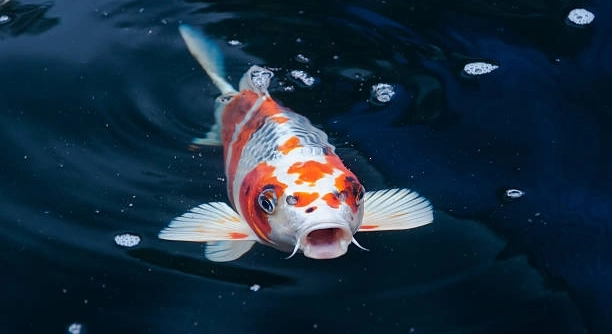
Introducing new koi to your pond requires careful steps to keep your fish healthy and stress-free. Proper introduction helps prevent diseases and ensures your pond stays balanced and beautiful. Taking time to do it right benefits both your koi and your pond environment.
The best way to introduce new koi involves quarantining them first, gradually acclimating them to your pond’s water conditions, and monitoring their behavior closely to avoid stress and illness. These steps help protect the existing fish and maintain pond health.
Following these simple tips will make the transition smoother and safer for your koi. Learning the right approach ensures your pond remains a peaceful and thriving home.
Preparing a Quarantine Tank
Setting up a quarantine tank is the first and most important step when introducing new koi. This tank should be separate from your main pond to keep the new fish isolated for at least two weeks. Quarantining helps identify any signs of illness or parasites before the koi mingle with your existing fish. The tank should have similar water conditions to your pond, including temperature, pH, and oxygen levels. Use a gentle filter and provide hiding spots to reduce stress. During this period, monitor the koi closely for any unusual behavior or visible signs of disease. Feeding them high-quality food and keeping the water clean supports their health during quarantine.
Quarantining new koi minimizes the risk of spreading infections and protects your established pond ecosystem.
Taking the time to prepare a quarantine tank shows care and responsibility. It allows you to observe new koi closely and treat any health issues before they affect your pond. Skipping this step may save time initially but can cause bigger problems later. Patience during quarantine pays off by ensuring all your fish stay healthy and stress-free.
Gradual Acclimation to Pond Water
Introducing new koi directly into your pond can shock them because of sudden changes in water temperature and chemistry. Gradual acclimation helps the fish adjust to their new environment safely. This process usually takes several hours and involves floating the quarantine bag or container in the pond water. Slowly add small amounts of pond water into the bag every 10 to 15 minutes. This allows the koi to adapt to the pond’s temperature and water parameters bit by bit.
Gradual acclimation reduces stress and lowers the chance of health problems.
Once the koi have adjusted, carefully release them into the pond. Avoid dumping the quarantine water into the pond to prevent contamination. After release, keep an eye on their behavior for signs of stress or illness. This slow introduction helps them settle in more comfortably, allowing them to explore their new home with less shock. By taking this careful approach, you improve the chances that your new koi will thrive alongside your established fish.
Monitoring Water Quality Closely
New koi can be sensitive to changes in water quality. Keeping your pond water clean and stable is essential during their introduction. Regularly check parameters like ammonia, nitrite, nitrate, pH, and temperature.
Maintaining good water quality reduces stress and prevents disease outbreaks. Use a reliable test kit daily for the first few weeks. Avoid overfeeding, which can pollute the water quickly. Perform partial water changes as needed to keep conditions safe for both new and existing fish. Aeration is also important to provide enough oxygen during this period of adjustment.
If you notice any spikes in harmful chemicals or drops in oxygen, act quickly. Adjust filtration or water changes to restore balance. Healthy water supports your koi’s immune system and helps them settle in faster.
Watching for Signs of Stress or Illness
Stress is common when koi are introduced to a new environment and can weaken their defenses. Watch your fish closely for any signs such as clamped fins, lethargy, loss of appetite, or unusual swimming patterns. Early detection of illness is key to effective treatment and preventing spread to other fish.
Physical signs like white spots, sores, or redness may indicate infections or parasites. If you notice any of these symptoms, isolate the affected koi immediately if possible. Consult with a vet or a fish health expert for proper diagnosis and treatment options. Avoid using chemicals without guidance, as improper use can harm the pond ecosystem.
Taking quick action when problems arise helps protect all your koi. Consistent observation in the first weeks after introduction makes a big difference in their health and well-being. Keeping stress low and spotting trouble early helps your koi adjust smoothly to their new home.
Feeding New Koi Carefully
New koi need gentle feeding to avoid digestive problems. Start with small amounts of high-quality food and watch how they eat. Avoid overfeeding, as uneaten food can pollute the water quickly.
Feed them two to three times a day in small portions. This helps them adjust and keeps the pond clean.
Maintaining Pond Temperature Stability
Sudden temperature changes stress koi and can weaken their immune system. Keep the pond temperature stable, especially when introducing new fish. Use a pond heater or shade when needed to avoid rapid fluctuations. Stable temperature helps koi settle in comfortably and lowers the risk of illness.
Keeping a Balanced Pond Environment
A balanced pond supports healthy koi. Make sure plants, filtration, and fish numbers are in harmony. Too many fish can overload the system and cause poor water quality.
Avoiding Sudden Changes
Avoid sudden changes to the pond environment during koi introduction. Stability helps reduce stress and supports fish health.
How long should I quarantine new koi before adding them to my pond?
Quarantining new koi for at least two weeks is recommended. This period allows you to monitor the fish for signs of disease or parasites that could harm your existing koi. It also helps the new koi adjust to stable water conditions before joining the main pond. Some hobbyists extend quarantine to three or four weeks if they notice any health concerns or if the koi come from uncertain sources. The key is to watch closely for abnormal behavior, spots, or injuries during this time. Quarantine helps prevent costly outbreaks in your pond and keeps your koi healthy over the long term.
What is the best way to acclimate new koi to pond water?
The safest method is gradual acclimation. Float the sealed bag or container with your koi in the pond for about 15 to 20 minutes. Every 10 to 15 minutes, slowly add a small amount of pond water into the container. This lets the fish adjust to temperature and water chemistry differences bit by bit. After 1 to 2 hours of this slow mixing, you can gently release the koi into the pond. Avoid dumping quarantine water directly into the pond to reduce risk of contamination. Gradual acclimation reduces stress and improves survival chances for your new koi.
Can I introduce multiple new koi at once?
Yes, but it’s best if they come from the same source and appear healthy. Introducing several koi at the same time can be easier because they adapt together and share similar stress levels. However, make sure your pond is large enough to support the increased bioload and that water quality is closely monitored. If the new koi come from different sources or have varying health statuses, introduce them separately to avoid spreading any hidden illnesses.
How do I tell if my new koi are stressed?
Signs of stress in koi include clamped fins, hiding more than usual, refusing food, rapid breathing, or erratic swimming. You might also notice the fish staying near the surface or bottom, or isolating themselves from others. Stress weakens their immune system, making them vulnerable to infections. Observing koi daily during their introduction period helps catch stress early. Addressing poor water quality, temperature swings, or overcrowding can reduce stress levels and help your koi settle in.
What should I do if I notice disease symptoms in new koi?
If symptoms like white spots, red sores, frayed fins, or unusual behavior appear, isolate the affected koi immediately, if possible. Consult a veterinarian or fish health specialist to get a proper diagnosis. Avoid treating the entire pond unless advised because medications can harm beneficial bacteria or other aquatic life. Early treatment is crucial to prevent outbreaks and keep all fish healthy. Maintaining quarantine tanks for future introductions also helps manage diseases.
How often should I test my pond water after adding new koi?
During the first few weeks after introduction, test your pond water at least twice a week for ammonia, nitrite, nitrate, pH, and temperature. New koi and increased feeding can affect water quality quickly. Regular testing allows you to catch and fix issues before they become harmful. Once your pond stabilizes and koi show no signs of stress or illness, testing can be reduced to weekly or biweekly.
Is it necessary to change the pond water after adding new koi?
Partial water changes can help maintain good water quality, especially if ammonia or nitrite levels rise. However, avoid changing too much water at once, as this can cause sudden parameter shifts that stress fish. Changing 10-20% of the water every few days during the adjustment period is usually sufficient. Make sure replacement water matches the pond’s temperature and pH closely.
What kind of food should I feed new koi?
Feed new koi high-quality, easily digestible pellets or flakes designed for koi. Start with small amounts two to three times daily to encourage eating without overfeeding. Avoid rich or heavy foods initially, as new koi may have sensitive digestion. Monitor how much they eat and remove any uneaten food quickly to prevent water pollution. After the acclimation phase, you can slowly increase portion sizes and variety.
Can adding plants help when introducing new koi?
Yes, aquatic plants provide hiding spots and reduce stress for new koi. Plants help improve water quality by absorbing excess nutrients and adding oxygen. They also create a natural environment where koi feel more secure. However, ensure plants are healthy and free from pests or diseases before adding them. Dense planting near the pond edges works best for creating shelter and improving overall pond balance.
How long does it take for new koi to fully adjust to a pond?
Adjustment varies, but most koi settle in within two to four weeks. During this time, their behavior normalizes, feeding improves, and they blend with existing fish. Some koi may take longer if water conditions fluctuate or if they experience stress. Patience is important; avoid sudden changes to water or environment during this period. Consistent care and observation support a smooth transition and long-term health.
Introducing new koi to your pond is a process that takes time, patience, and care. Each step, from quarantining to acclimating and monitoring water quality, plays an important role in helping the fish adjust safely. Taking these steps seriously reduces the risk of disease and stress, which can harm your koi and the overall pond environment. It is worth the effort to protect your existing fish and make sure the new additions thrive in their new home.
Keeping a close eye on your koi after introduction is key. Watching for any signs of illness or unusual behavior lets you catch problems early, before they spread or worsen. Healthy water conditions also support the immune systems of your fish and create a stable habitat. Small actions like feeding the right amount, maintaining temperature, and doing regular water tests all contribute to a balanced pond. By focusing on these details, you give your koi the best chance to grow strong and happy.
While introducing new koi can feel like a big task, following careful steps makes the process smoother. Every pond is different, so adjusting your routine to fit your pond’s size, filtration, and existing fish is helpful. Being patient and observant helps you learn what works best over time. With the right care, your koi will settle in well, adding beauty and life to your pond for many seasons to come.

Hello,
If you enjoy the content that we create, please consider saying a "Thank You!" by leaving a tip.
Every little bit helps us continue crafting quality advice that supports the health, happiness, and well-being of pets around the world, for pets of all shapes, sizes, and species.
We really appreciate the kindness and support that you show us!