
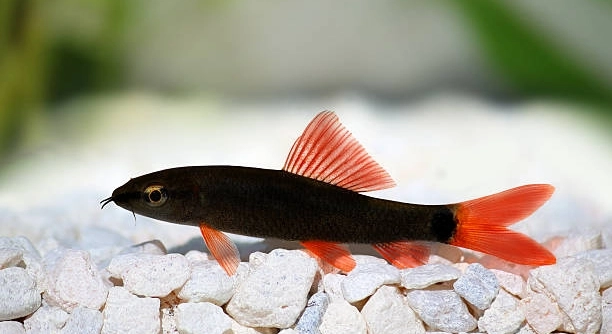
Introducing new fish to a tank with a Rainbow Shark can be challenging. These fish are known for their territorial behavior, which may cause stress to newcomers. Proper care and patience are essential to keep the aquarium balanced and healthy.
Introducing new fish to a Rainbow Shark tank requires careful acclimation, monitoring, and gradual integration. Maintaining water quality, providing adequate hiding spots, and minimizing territorial aggression are crucial steps to ensure the safety and well-being of all aquatic inhabitants.
Knowing how to introduce new fish properly can prevent conflicts and promote a peaceful environment in your aquarium. The following tips will help you achieve a smoother transition for your aquatic pets.
Prepare the Tank Before Introducing New Fish
Before adding new fish to a Rainbow Shark tank, make sure the environment is suitable. Clean the tank thoroughly and check water parameters like temperature, pH, and ammonia levels. Adjust anything out of the ideal range for Rainbow Sharks and most community fish. Providing plenty of hiding spots with plants or decorations can reduce stress and aggression when new fish arrive. This preparation helps newcomers feel safe and limits conflicts. It also supports the health of all fish by maintaining stable water quality.
Taking these steps reduces stress on both new and existing fish. A well-prepared tank creates a calm environment that supports smooth introductions and peaceful cohabitation.
Ensuring proper water conditions and shelter reduces chances of aggressive behavior. Preparing your tank well lays the foundation for a healthy, balanced aquarium with happy fish.
Acclimate New Fish Slowly
Acclimation is essential to help new fish adjust to the tank conditions. Start by floating the sealed bag in the tank for 15 to 20 minutes. This equalizes temperature between the bag and tank water. Next, gradually add small amounts of tank water into the bag every 10 minutes over the course of an hour. This helps fish adjust to water chemistry differences. Avoid rushing this process as sudden changes can cause shock or stress.
Once acclimated, gently release the fish into the tank. Using a net is safer than pouring fish directly from the bag, which may introduce contaminants. Observing the new fish closely for signs of stress or illness in the first few hours helps catch problems early. Taking time with acclimation improves survival and acceptance in the tank.
Monitor Behavior Closely
Keep a close eye on how your Rainbow Shark and new fish interact after introduction. Watch for signs of excessive aggression or stress. Early detection allows for quick intervention to prevent harm.
Rainbow Sharks can be territorial, especially when newcomers enter their space. If aggression becomes too intense, consider rearranging tank decorations to break up established territories. This helps reduce conflicts and gives new fish places to hide. It’s important to separate aggressive fish temporarily if injuries occur or if one fish is severely stressed.
Regular observation during the first days ensures all fish are adjusting well. Providing extra hiding spots and rearranging tank layout can calm tensions and help build a peaceful community.
Maintain Consistent Tank Conditions
Stable water conditions are vital for all fish health. Avoid sudden changes in temperature, pH, or filtration. Consistency minimizes stress and supports recovery if any fish feel threatened.
Frequent water testing and partial water changes keep the environment healthy. Use a quality filter and maintain it regularly to remove toxins and debris. Avoid overfeeding to prevent water quality issues, as excess food can pollute the tank quickly. Proper lighting and aeration also contribute to a balanced aquarium.
Maintaining steady conditions helps Rainbow Sharks and new fish feel secure. When fish are less stressed, they are less likely to display aggression and more likely to coexist peacefully.
Provide Plenty of Hiding Spots
New fish need places to retreat. Adding caves, plants, or decorations gives them safe spaces away from the Rainbow Shark’s territory.
Hiding spots reduce stress and aggression by allowing fish to escape confrontations. A well-decorated tank supports peaceful interactions and helps new fish settle in more easily.
Introduce Fish During Feeding Time
Introducing new fish while the tank is being fed can distract the Rainbow Shark. This reduces initial aggression because their attention is focused on food instead of newcomers.
Feeding time provides a natural way to ease tension. It helps new fish blend in more quickly, promoting a calmer introduction process overall.
Quarantine New Fish First
Quarantining new fish prevents spreading disease to your main tank. Keep them in a separate tank for at least two weeks to monitor health and treat any issues.
This step protects all your fish and ensures new arrivals are strong enough for the Rainbow Shark tank. It’s a simple way to avoid bigger problems later.
FAQ
How long should I wait before introducing new fish to a Rainbow Shark tank?
It is best to wait at least two weeks after setting up or cleaning the tank before adding new fish. This allows the tank to stabilize and reduces stress on existing fish. When introducing new fish later, ensure they are properly acclimated and quarantined to avoid illness and aggression.
Can Rainbow Sharks live peacefully with other fish?
Yes, Rainbow Sharks can coexist with other fish if the tank is large enough and has plenty of hiding spots. However, they are territorial and may show aggression, especially in small or overcrowded tanks. Choosing compatible species and following proper introduction methods helps maintain harmony.
What fish species are compatible with Rainbow Sharks?
Peaceful and fast-swimming species tend to get along well with Rainbow Sharks. Examples include danios, barbs, and some types of tetras. Avoid slow-moving or long-finned fish, as they may be targets for aggression. Research each species carefully before adding them to the tank.
How can I tell if my Rainbow Shark is being too aggressive?
Signs of aggression include chasing, biting, and damaged fins on other fish. If your Rainbow Shark is constantly defending its territory or injuring tank mates, it may be too aggressive. Increasing hiding spots or separating aggressive fish temporarily can help.
What should I do if new fish get attacked?
If new fish show injuries or signs of stress, remove them immediately and treat their wounds if possible. You may need to separate the Rainbow Shark or rearrange the tank to reduce aggression. Giving fish space and plenty of cover helps prevent future attacks.
Is quarantine necessary for all new fish?
Quarantine is highly recommended to prevent disease and parasites from spreading. Even healthy-looking fish can carry illnesses. Keeping them in a separate tank for two weeks allows you to monitor and treat any problems before introduction.
How often should I check water quality during fish introduction?
Testing water parameters daily during and after introduction is important. Keep temperature, pH, ammonia, nitrite, and nitrate within safe levels. Any sudden changes can stress fish and trigger aggression. Maintaining stable water quality supports overall tank health.
What is the best way to feed fish when introducing new ones?
Feed the tank at the start of the introduction to distract territorial fish. Use small amounts of food and spread it evenly. This reduces aggressive focus on new fish and encourages peaceful interactions during the critical adjustment period.
Can rearranging tank decorations help reduce aggression?
Yes, moving plants, rocks, or decorations can break up established territories and reduce conflicts. New tank layouts give fish a chance to reset boundaries and find new hiding spots, helping create a calmer environment for everyone.
How long does it take for new fish to settle in a Rainbow Shark tank?
It typically takes several days to a couple of weeks for new fish to fully adjust. During this time, continue monitoring behavior, water quality, and health. Patience and proper care during this period are essential for a successful introduction.
Should I keep the lights on or off when introducing new fish?
Keeping the lights dim or off for a few hours after introduction can reduce stress. Lower light levels create a calmer environment and give new fish time to explore the tank safely. Gradually return to normal lighting over the next day.
Are there any signs of stress I should watch for in new fish?
Signs include hiding constantly, loss of appetite, rapid breathing, and clamped fins. Stress makes fish vulnerable to illness and aggression. Providing shelter, maintaining water quality, and limiting disturbances help reduce stress levels.
How many fish can I add at once to a Rainbow Shark tank?
Add new fish gradually, usually one or two at a time. Adding too many fish at once increases stress and aggression. It also makes it harder to monitor behavior and water quality. Gradual introductions give the tank time to adjust.
What do I do if aggression persists despite all precautions?
If aggression continues, consider separating the Rainbow Shark or aggressive fish. You may also need to provide a larger tank or add more hiding places. Sometimes, certain fish simply cannot live peacefully together and require permanent separation.
Can I introduce fish of different sizes?
Avoid introducing much smaller fish, as they can become targets for aggression. Fish of similar size are less likely to be bullied. If sizes vary, ensure plenty of hiding spots and monitor closely to prevent injuries.
How important is tank size for introducing new fish?
A larger tank gives Rainbow Sharks and new fish enough space to establish territories without constant conflict. Overcrowding increases stress and aggression. Aim for at least 30 gallons when keeping Rainbow Sharks with other fish.
What are the risks of skipping acclimation?
Skipping acclimation can cause shock from sudden temperature or water chemistry changes. This stresses fish and weakens their immune system, making them prone to disease and aggressive behavior. Proper acclimation increases survival and comfort.
Is it normal for Rainbow Sharks to chase new fish?
Some chasing is normal as they establish dominance. However, constant or violent chasing that injures other fish is problematic. Managing tank layout, providing hiding spots, and gradual introductions can minimize harmful behavior.
How often should I feed fish during the introduction period?
Feed small amounts two to three times daily. Overfeeding can harm water quality, but regular feeding keeps fish healthy and distracted from aggression. Monitor eating habits and adjust amounts if necessary.
Can temperature changes affect fish introductions?
Yes, sudden temperature shifts increase stress and aggression. Keep water temperature stable, matching the needs of both Rainbow Sharks and new fish. Use a reliable heater and thermometer to maintain consistency.
What do I do if new fish refuse to eat?
If new fish don’t eat, it may be due to stress or illness. Ensure water quality is good and provide hiding spots. Try offering different food types or feeding at different times. If refusal continues, consider quarantine or veterinary advice.
Introducing new fish to a Rainbow Shark tank requires careful planning and patience. Rainbow Sharks are known to be territorial and sometimes aggressive, especially toward unfamiliar tank mates. Taking the right steps before, during, and after introduction can make a significant difference in how well the new fish settle in. Preparing the tank properly by checking water quality and adding hiding spots helps reduce stress for all fish. Gradual acclimation of new fish to the tank conditions is essential to avoid shock and illness.
Watching fish behavior closely after introduction is important. If aggression or stress shows up, steps like rearranging decorations or separating aggressive fish can help calm the tank. Maintaining stable water conditions with regular testing and cleaning supports the health of both new and existing fish. Feeding during introductions can distract territorial behavior and promote peaceful interactions. Quarantining new fish before adding them to the main tank protects everyone by reducing the risk of disease spreading.
Overall, the process of introducing new fish to a Rainbow Shark tank takes time and attention. Being prepared and monitoring the fish closely increases the chances of success. Providing enough space, hiding places, and stable conditions supports a balanced aquarium environment. With care and patience, it is possible to keep Rainbow Sharks and other fish healthy and peaceful together. This leads to a more enjoyable and rewarding experience for anyone maintaining a community tank.

Hello,
If you enjoy the content that we create, please consider saying a "Thank You!" by leaving a tip.
Every little bit helps us continue crafting quality advice that supports the health, happiness, and well-being of pets around the world, for pets of all shapes, sizes, and species.
We really appreciate the kindness and support that you show us!