
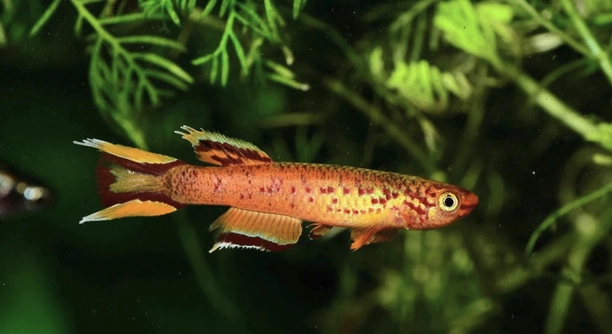
Introducing fry to adult killifish can be a delicate process that requires patience and care. Many hobbyists want to ensure the young fish survive and grow without stress or harm. Proper introduction helps maintain a peaceful tank environment for all.
The best way to introduce fry to adult killis is by using a separate breeding or nursery tank. This prevents adults from eating the fry while allowing gradual acclimation. Providing plenty of hiding spaces and controlled feeding improves fry survival rates.
Understanding these key steps will help you create a safer environment for your killifish fry and adults to coexist successfully. Following the right methods can make all the difference in your breeding experience.
Preparing the Tank for Fry Introduction
Setting up the right environment is the first step when introducing fry to adult killis. Use a separate tank or a breeder box inside the main tank to protect the fry from being eaten. The tank should have plenty of plants or small hiding spots where the fry can retreat when feeling threatened. Water conditions must match the adults’ tank to avoid stressing the fry. Use a gentle filter to keep the water clean but avoid strong currents that could harm the tiny fish. Feeding the fry frequently with small amounts of food will help them grow quickly and stay healthy. Monitoring water quality is crucial because fry are more sensitive to changes than adults. Make sure to remove any uneaten food to keep ammonia levels low. This careful preparation helps create a safe space for the fry to grow without the risk of aggression from adults.
Keeping the tank clean and stable helps reduce stress and promotes fry survival. Regular checks on temperature and water parameters are essential.
A well-prepared tank reduces risks and supports the fry’s early growth stages. The adults will stay healthy, and the fry will have a chance to thrive in a protected environment. This setup creates a smoother transition for both generations in your aquarium.
Gradual Introduction and Observation
Introduce the fry slowly to the adults’ tank once they are strong enough. Keep a close eye on their behavior during this period. Adults may show interest but should not be aggressive. If aggression occurs, it’s best to separate them again until the fry grow larger. Feeding both fry and adults well can reduce competition and stress. Gradual introduction allows the fry to get used to the adults’ presence while staying safe. This process needs patience, but it helps maintain a peaceful tank environment for everyone.
Patience during this phase prevents unnecessary losses.
Take time to observe interactions daily and make adjustments if needed. Using barriers or nets inside the tank can give fry more protection while allowing some interaction. Avoid rushing the process; letting the fry grow stronger before full exposure helps reduce aggression. When done carefully, this gradual introduction supports healthy social behavior and reduces stress for all fish. Watching the fry adapt and grow in the presence of adults is rewarding, and it builds a stable, thriving tank community.
Feeding Strategies for Fry and Adults
Separate feeding helps ensure fry get enough nutrition without adults dominating. Offer small, frequent meals to fry using finely crushed flakes or specialized fry food. Adults can be fed larger portions of their regular diet separately to reduce competition during feeding times.
Feeding fry small amounts often encourages steady growth and keeps them active. Use high-quality fry food rich in proteins and nutrients. Avoid overfeeding, as leftover food can pollute the water quickly. Adults require a balanced diet with occasional live or frozen foods to stay healthy. Providing different food types for fry and adults reduces stress and promotes better health for both groups.
When adults and fry share a tank, observe feeding closely. If adults try to eat the fry’s food, consider feeding fry in a protected area or use a feeding ring. Proper feeding routines support survival and development, minimizing aggression and competition.
Monitoring Health and Behavior
Keep a close watch on both fry and adults for signs of stress or illness. Early detection of problems can prevent losses and maintain a healthy tank environment. Changes in behavior, appetite, or appearance should be addressed immediately.
Regularly check water quality and ensure stable temperature, pH, and ammonia levels. Stress often shows through unusual hiding, lethargy, or aggression. If fry seem weak or adults become aggressive, adjust the setup or feeding routine. Good tank hygiene and consistent care reduce health risks and improve survival rates.
Being attentive to daily changes builds confidence in managing your killifish. It also helps you react quickly, creating a safer environment for all fish. This careful observation is key to successful long-term care.
Using Breeding Nets or Separators
Breeding nets or separators provide a safe space for fry inside the main tank. They allow water flow and interaction without risk of adults eating the fry. This method is helpful when space is limited.
Using these barriers can reduce stress for both fry and adults. It makes monitoring easier while keeping fry protected. Many hobbyists find this approach practical for controlling tank dynamics and ensuring fry survival.
Adjusting Water Conditions
Maintaining ideal water conditions supports healthy fry development. Regular testing and small water changes keep parameters stable and safe.
Adjust pH, temperature, and hardness carefully to match the species’ needs. Consistency helps reduce stress and illness risks.
Signs to Separate Fry Immediately
If adults show persistent aggression or fry appear injured, separate them quickly. Early intervention prevents losses.
Separation allows fry to recover and grow without threat, improving overall survival chances.
FAQ
How long should fry stay separate from adult killis?
Fry should remain separated until they are large enough to avoid being eaten, usually about 3 to 4 weeks depending on the species. During this time, they grow stronger and become more agile, reducing their risk of predation. Keeping them apart also lowers stress for both fry and adults.
Can fry and adults share the same tank immediately after hatching?
No, introducing fry to adults too soon can lead to high mortality rates because adult killis may eat the fry. It’s best to raise the fry in a separate tank or breeding net until they are big enough to coexist safely.
What type of food is best for killifish fry?
Fry need small, protein-rich foods like infusoria, baby brine shrimp, or finely crushed flakes designed for fry. These foods support fast growth and strong development. Feeding small amounts multiple times a day is better than a single large feeding.
Is it necessary to use a breeder box or can I just add hiding spots?
While hiding spots help, they do not guarantee fry safety. Adults can be very quick and persistent hunters. A breeder box or separate nursery tank offers much better protection and control over conditions, increasing fry survival significantly.
How often should I feed adult killifish during fry introduction?
Feed adults regularly but separately from the fry, usually once or twice a day. Providing ample food reduces their interest in fry as prey. Keeping adults well-fed also helps minimize aggression.
What water conditions are best for both fry and adults?
Keep water temperature stable between 72–78°F (22–25°C) with a pH around 6.5 to 7.5, depending on the species. Soft to moderately hard water is ideal. Avoid sudden changes in parameters, as fry are especially sensitive to fluctuations.
What signs show that fry are stressed or in danger?
Fry that hide constantly, stop eating, or swim erratically may be stressed or ill. Visible injuries or missing fry suggest adults may be attacking them. In such cases, check tank conditions and consider separating fry immediately.
Can I use live plants to help fry survive with adults?
Yes, live plants create natural hiding spaces and improve water quality. Dense plants like Java moss or floating plants offer cover and help fry avoid adult aggression. However, plants alone may not fully protect fry from hungry adults.
How important is water quality during fry development?
Water quality is very important because fry are more vulnerable to toxins like ammonia and nitrites. Regular water changes, proper filtration, and avoiding overfeeding help maintain a healthy environment that supports fry growth.
What should I do if adults become aggressive after fry introduction?
If adults start showing aggression, increase hiding places or separate the fry again until they grow bigger. Reducing stress with proper feeding and stable water conditions can also help calm the adults.
How long does it take for fry to grow into adults?
Killifish fry typically reach adult size in 2 to 3 months, depending on species and care quality. Proper feeding, clean water, and low stress speed up growth.
Can fry be introduced to adult killis if the tank is heavily planted?
A heavily planted tank reduces risk but doesn’t eliminate it. Plants provide cover, but some adults still hunt fry aggressively. Combining plants with breeder boxes or netting is a safer approach.
Is it okay to mix different killifish species when introducing fry?
It’s not recommended because different species have different behaviors and environmental needs. Mixing can increase stress and aggression, lowering fry survival.
What is the best way to acclimate fry to adult tank water?
Acclimate fry gradually by floating their nursery tank or breeder box in the adult tank water. Slowly mix small amounts of adult tank water into the fry’s environment over several hours to reduce shock.
How often should I clean the fry’s tank or breeder box?
Clean the fry’s environment regularly, about once a week or as needed, to remove uneaten food and waste. Use gentle water changes with water similar to the tank’s to avoid stressing the fry.
Can adults and fry share the same filter system?
Yes, but ensure the filter flow is gentle to avoid harming fry. Use sponge filters or add pre-filters to protect fry from being sucked in. Proper filtration maintains water quality without endangering small fish.
Introducing fry to adult killifish takes careful planning and patience. It’s important to create a safe environment where the fry can grow without being threatened by adults. Using separate tanks, breeder boxes, or nets helps protect the young fish while allowing them to get used to their surroundings. Providing plenty of hiding spots and maintaining stable water conditions supports both fry and adults during this time. This thoughtful approach reduces stress and improves survival chances for the fry.
Feeding plays a key role in the success of introducing fry. Fry need small, frequent meals with high-quality food to grow strong. Adults should be fed separately and well enough to lower their interest in the fry as food. Watching how both fry and adults interact during feeding times helps prevent problems. Monitoring water quality and fish behavior daily allows for quick adjustments to keep the tank healthy. When done correctly, this balance creates a peaceful community where both fry and adult killifish can thrive.
Being patient and observant is essential throughout this process. Fry take time to grow and become independent enough to live safely with adults. If adults show aggression, it’s best to separate the fry until they are stronger. Maintaining clean water, steady feeding routines, and proper tank setup all contribute to a successful introduction. With careful care and attention, you can enjoy watching your killifish grow and develop together. This method helps build a stable and healthy aquarium for all your fish.

Hello,
If you enjoy the content that we create, please consider saying a "Thank You!" by leaving a tip.
Every little bit helps us continue crafting quality advice that supports the health, happiness, and well-being of pets around the world, for pets of all shapes, sizes, and species.
We really appreciate the kindness and support that you show us!