
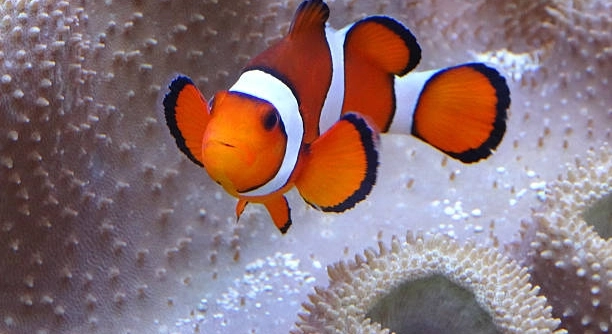
Introducing clownfish to an established tank requires care and patience to ensure a smooth transition. Proper steps help reduce stress for both the new clownfish and the existing tank inhabitants. This process supports a balanced and healthy aquarium environment.
The best approach to introducing clownfish is to acclimate them slowly, monitor tank conditions closely, and observe interactions carefully. Quarantine the new fish before introduction and provide plenty of hiding spaces to minimize aggression and stress.
Following these guidelines will help maintain harmony in your tank and promote the well-being of all fish involved.
Preparing Your Tank for the New Clownfish
Before adding clownfish to an established tank, it’s important to create a welcoming environment. Clean the tank and change about 20% of the water to ensure optimal conditions. Check that water parameters—temperature, pH, and salinity—are stable and suitable for clownfish. Removing any aggressive or overly territorial fish can reduce conflicts. Arrange plenty of hiding spots using live rock or decorations to help the new clownfish feel secure. If possible, isolate the new fish in a separate quarantine tank for two weeks to observe health and reduce the risk of introducing disease. Preparing your tank carefully supports the successful introduction of clownfish and helps maintain the overall balance.
Cleaning and stabilizing the tank reduces stress for all fish and prevents outbreaks of disease during the introduction process.
Giving your clownfish a calm environment will help them settle in more quickly and interact peacefully with the other inhabitants.
Introducing the Clownfish to the Tank
Use a slow acclimation process to introduce the clownfish to the established tank. Float the bag with the new fish in the tank for 15 to 20 minutes to equalize temperature. Gradually add small amounts of tank water into the bag every 10 minutes over an hour to help the clownfish adjust to the water chemistry. After acclimation, gently release the fish into the tank using a net to avoid transferring bag water. Watch the behavior of both the new and existing fish closely for signs of aggression. Provide extra hiding places if necessary. If the clownfish shows signs of stress, consider moving it back to quarantine. Patience during this phase reduces the risk of injury and helps the clownfish adapt.
Once introduced, keep feeding consistent and avoid sudden changes to reduce stress.
Maintain good water quality and monitor fish interactions carefully during the first few weeks to ensure a smooth adjustment period.
Monitoring Fish Behavior After Introduction
Watch both the clownfish and the existing tank inhabitants closely. Early signs of aggression or stress should not be ignored. Temporary hiding or chasing is normal, but constant fighting can harm your fish. Keeping an eye on their behavior helps catch problems early.
If aggression occurs, consider rearranging tank decorations to break territorial boundaries. Adding more hiding spots can reduce stress for all fish. Feeding smaller meals more frequently helps distract them and minimize conflict. Sometimes, the new clownfish needs time to establish its place without pressure.
Observe daily for at least two weeks. If aggressive behavior continues or worsens, separating the new clownfish temporarily is advisable. Maintaining a calm and stable environment is crucial for long-term harmony in the tank.
Feeding and Care Tips for Clownfish
Clownfish thrive on a varied diet of flakes, pellets, and frozen foods like brine shrimp or mysis shrimp. Feed small amounts two to three times daily to avoid overfeeding and maintain water quality. Balanced nutrition supports their health and vibrant colors.
Keep the tank clean by performing regular water changes and monitoring ammonia and nitrate levels. Maintaining stable water conditions prevents stress and disease. If possible, provide a small host anemone or artificial substitute to mimic their natural habitat, which can improve their well-being.
Consistent feeding and attentive care during the acclimation period help the clownfish adjust smoothly. Healthy clownfish contribute to a balanced and lively tank environment.
Signs of Stress in Clownfish
Clownfish showing dull colors, hiding constantly, or refusing to eat may be stressed. Stress can lead to illness if not addressed quickly. Watch for rapid breathing or erratic swimming as additional warning signs.
Reducing stress involves maintaining water quality and minimizing tank disturbances. Providing plenty of hiding spots helps them feel secure and calm.
Adjusting Tank Conditions
Ensure temperature stays between 74 and 79°F, with stable pH around 8.1 to 8.4. Salinity should be consistent, ideally between 1.020 and 1.025 specific gravity. Sudden changes can stress clownfish and disrupt the tank’s balance.
Regular testing and gentle adjustments prevent problems and keep fish healthy. Stability in tank conditions supports their natural behavior and reduces conflict.
Benefits of Patience
Allowing time for clownfish to adapt reduces stress and aggression. Patience helps create a peaceful tank environment and promotes fish health.
Waiting through the adjustment phase improves the chances of long-term success with your clownfish.
FAQ
How long should I quarantine a new clownfish before introducing it to my tank?
Quarantine new clownfish for at least two weeks. This period helps monitor for diseases or parasites that could harm your established tank. A separate quarantine tank reduces the risk of introducing infections, making it safer for both your new and existing fish.
Can clownfish live without an anemone?
Yes, clownfish can live without an anemone. While they naturally associate with anemones in the wild, they often adapt well in tanks without one. Providing plenty of hiding spots and safe areas helps them feel secure even without an anemone present.
What are the best hiding places to add for new clownfish?
Use live rock formations, coral decorations, or artificial caves as hiding places. These spots reduce stress and give clownfish a safe refuge from more aggressive tank mates. A well-structured environment helps them settle in and feel comfortable.
Is it normal for clownfish to be aggressive when first introduced?
Some temporary aggression is common as clownfish establish territory and hierarchy. This behavior usually decreases over time. Persistent fighting may require intervention, such as rearranging tank decor or temporarily separating the fish.
How often should I feed my clownfish during acclimation?
Feed small amounts two to three times daily during acclimation. Frequent, moderate feeding supports energy and reduces stress. Avoid overfeeding to keep water quality stable and prevent health problems.
What water parameters are ideal for clownfish?
Maintain water temperature between 74°F and 79°F, pH from 8.1 to 8.4, and salinity around 1.020 to 1.025 specific gravity. Stable water conditions are essential for clownfish health and stress reduction.
What should I do if my clownfish is hiding all the time?
If hiding continues beyond the first few days, check water quality and tank mates. Ensure there are enough hiding spots and that no aggressive fish are bullying your clownfish. Improving tank conditions and patience often encourage the fish to become more active.
How do I know if my clownfish is sick?
Look for signs like faded colors, clamped fins, loss of appetite, or unusual swimming patterns. Early detection allows for prompt treatment, preventing illness from worsening or spreading to other fish.
Can I add multiple clownfish at once?
It’s best to add clownfish one at a time. Introducing multiple fish simultaneously can increase stress and aggression. Adding them gradually gives the tank time to adjust and lowers the risk of conflicts.
Should I rearrange the tank when adding new clownfish?
Rearranging decorations can help reduce territorial disputes by breaking established boundaries. Providing new hiding places encourages fish to explore and reduces aggression, helping the new clownfish integrate more smoothly.
How long does it take for clownfish to fully settle in?
Clownfish usually take a few weeks to fully settle and establish territory. Patience during this time helps prevent stress and aggression. Monitoring behavior and tank conditions supports a smooth transition.
What are common mistakes to avoid when introducing clownfish?
Avoid rushing the acclimation process, skipping quarantine, and ignoring signs of aggression or stress. Also, don’t neglect water quality or fail to provide hiding spots. Proper preparation and observation are key to success.
Can clownfish get along with all tank mates?
Clownfish generally do well with peaceful species but may be aggressive toward smaller or similar-sized fish. Choosing compatible tank mates reduces stress and conflict in your aquarium.
Is it necessary to have a protein skimmer or special filtration for clownfish?
While not always necessary, good filtration and a protein skimmer improve water quality, which benefits clownfish health. Clean water reduces stress and supports their immune system.
What should I do if my clownfish rejects food?
Try offering a variety of foods such as flakes, pellets, and frozen shrimp. Sometimes, warming frozen food or feeding in small amounts can encourage eating. Consistent feeding routines help build appetite.
These answers cover common concerns when introducing clownfish to an established tank, helping ensure their health and harmony in your aquarium.
Introducing clownfish to an established tank takes careful planning and patience. It is important to prepare the tank well before adding the new fish. Ensuring the water quality is stable and providing plenty of hiding places can make a big difference. Taking time to quarantine the clownfish first helps protect your tank from disease. When the time comes to introduce the fish, doing it slowly and watching their behavior closely reduces the chance of stress and aggression. A calm and stable environment is essential for all fish to thrive.
Once the clownfish are in the tank, continuing to monitor their interactions is key. Some chasing or hiding is normal at first, but aggressive behavior should be managed. Rearranging tank decorations or adding more shelters can help ease tensions between fish. Feeding small amounts frequently also keeps fish distracted and less likely to fight. Keeping the tank clean and maintaining proper water conditions supports their health and well-being. If problems arise, patience and small adjustments often lead to improvements.
Overall, success with clownfish depends on steady care and attention. Taking the time to do things right from the start pays off in the long run. A healthy, peaceful tank benefits everyone involved, including you as the caretaker. Watching clownfish adapt and become part of your tank can be very rewarding. Following these simple steps will help you create a balanced aquarium where clownfish and other fish coexist happily.

Hello,
If you enjoy the content that we create, please consider saying a "Thank You!" by leaving a tip.
Every little bit helps us continue crafting quality advice that supports the health, happiness, and well-being of pets around the world, for pets of all shapes, sizes, and species.
We really appreciate the kindness and support that you show us!