
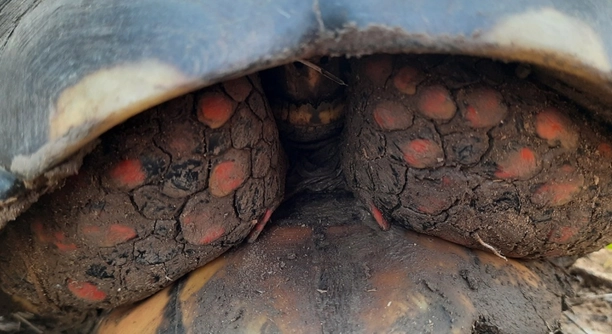
Introducing a red-footed tortoise to a new diet can be a rewarding experience, helping ensure they get the nutrients they need for a long, healthy life. Understanding the transition process is key to success.
To introduce a red-footed tortoise to a new diet, gradually transition their food over the course of a few weeks. Start by offering small amounts of the new food alongside their usual diet to avoid digestive upset and encourage acceptance.
Making small changes to their diet can improve their overall health. Understanding how to properly adjust their meals will lead to better nutrition.
Choosing the Right Foods for Your Red-Footed Tortoise
When introducing a new diet to your red-footed tortoise, selecting the right foods is crucial for their health. These tortoises are herbivores, meaning they primarily eat plants. Their diet should consist of a variety of vegetables, fruits, and leafy greens, such as collard greens, dandelion leaves, and squash. It’s important to ensure that the food is fresh and free from pesticides. Offering a range of foods will help mimic their natural diet and provide the necessary nutrients.
To maintain a balanced diet, it’s important to avoid feeding them high-protein or high-fat foods, as these can cause health issues over time. Foods like lettuce or other high-water content vegetables should be limited as they don’t provide much nutrition. Aim for a diet that includes both dark leafy greens and some fruits in moderation.
As you transition to a new diet, make sure to monitor their eating habits. If they seem to reject certain foods, don’t force them. Gradually phase out their previous diet, but always ensure they’re still getting enough nutrition. Patience will help your tortoise adapt over time.
The Importance of Hydration
Hydration plays a critical role in your tortoise’s well-being. It is vital to always provide access to fresh water.
Your red-footed tortoise should have a shallow water dish available at all times. They may also enjoy soaking in the water, which helps with digestion and overall hydration. Regular water access is as important as their diet.
Gradual Food Transition
It’s important to transition slowly when introducing new food. Start by offering small amounts of the new food mixed with their regular diet. Gradually increase the amount of the new food over a period of two to three weeks. This allows their digestive system to adjust.
A slow transition helps prevent digestive upset and ensures your tortoise adapts to the new diet. The key is patience; forcing too much change too quickly can lead to stress and cause your tortoise to refuse the food. If the tortoise is resistant, reduce the new food and try again later. Always monitor their behavior and appetite closely.
Over time, your red-footed tortoise will become more accustomed to their new diet. Maintaining a balanced routine is key to their health. Avoid introducing too many new foods at once. Giving them a chance to try each new food individually makes it easier for them to adjust and will help ensure they stay healthy.
Avoiding Common Diet Mistakes
One of the biggest mistakes owners make is offering an imbalanced diet. While it’s easy to offer the same type of food repeatedly, variety is essential. A lack of variety can lead to nutrient deficiencies, which could negatively impact your tortoise’s health.
Mixing up their meals with different greens, fruits, and vegetables ensures they receive a broad range of nutrients. Stick to foods that are safe for red-footed tortoises, like leafy greens, edible flowers, and safe fruits. Avoid high-calcium foods like spinach, as too much calcium can cause kidney problems. Always research new foods before introducing them to avoid any harmful effects. Proper diet management ensures your tortoise remains active and healthy.
Monitoring Your Tortoise’s Health
Keep a close eye on your tortoise’s health as you change their diet. If you notice any unusual signs, like lack of appetite or lethargy, it could be a sign that the new food isn’t agreeing with them.
By closely observing your tortoise, you’ll be able to detect any changes in their eating habits or behavior. If they refuse new foods consistently, try offering smaller portions or different combinations of foods. Also, make sure they have a clean and comfortable environment to eat in. Healthy tortoises should remain active and alert, so any shift in behavior should be addressed.
Being mindful of these changes will help you pinpoint any issues early. If problems persist, it’s a good idea to consult with a veterinarian to ensure everything is on track.
Offering Treats in Moderation
Treats can be a fun addition to your tortoise’s diet, but they should be given in moderation. Only offer them as occasional snacks, not daily meals.
Offering too many treats can upset the nutritional balance of their regular diet. Stick to safe options like small amounts of fruit or edible flowers, and always avoid sugary or processed foods. Keep treats limited to ensure your tortoise gets the proper nutrition they need without overindulgence.
Understanding Their Nutritional Needs
Red-footed tortoises need a variety of nutrients to stay healthy, including calcium, fiber, and vitamins. This is why a balanced diet with different plants is so important. Proper calcium intake helps maintain strong bones and healthy shells.
Avoid offering foods too high in protein or fat, as this can lead to health problems like obesity or kidney issues. Leafy greens like dandelion and collard greens are great sources of calcium, while fruits can provide vitamins. Adjusting their diet according to their age and activity level is also important. Over time, your tortoise will adapt to a more balanced diet, supporting overall well-being.
FAQ
What fruits can I feed my red-footed tortoise?
Red-footed tortoises enjoy a variety of fruits, but they should only be given in moderation. Safe options include papaya, mango, strawberries, and bananas. These fruits provide natural sweetness and essential vitamins. However, avoid feeding them citrus fruits like oranges or lemons, as the acidity can upset their digestive system.
Can red-footed tortoises eat lettuce?
It’s best to avoid feeding your red-footed tortoise iceberg lettuce as it lacks nutritional value and may cause digestive issues. However, other types of lettuce, such as romaine, can be offered in small amounts as part of a balanced diet. Make sure the lettuce is fresh and free from pesticides.
How often should I feed my red-footed tortoise?
Red-footed tortoises should be fed daily. Offer fresh vegetables, fruits, and leafy greens each day. You can provide them with a variety of foods to keep their diet balanced. Make sure to remove any uneaten food to prevent spoilage. If you notice your tortoise is gaining weight too quickly, consider adjusting the food portions.
Can I feed my tortoise commercial tortoise food?
Commercial tortoise food can be used as a supplement but should not replace a fresh, varied diet. Look for high-quality products that are specifically formulated for red-footed tortoises. While these foods can be convenient, they should be offered sparingly alongside fresh, natural foods.
Is it safe to feed my red-footed tortoise vegetables like spinach?
Spinach can be fed occasionally but should not be a regular part of their diet. It contains high levels of oxalates, which can bind to calcium and prevent absorption, leading to potential health problems. Offering it too often may cause kidney damage, so stick to occasional servings.
What are the signs that my red-footed tortoise isn’t eating enough?
If your red-footed tortoise is not eating enough, signs include weight loss, lethargy, and a lack of interest in food. A loss of appetite can also indicate stress, illness, or an inappropriate diet. If these symptoms persist, consult a veterinarian to check for underlying health issues.
Should I be concerned if my tortoise eats too much fruit?
While fruits are beneficial in moderation, feeding your tortoise too much fruit can cause digestive issues or lead to obesity. Fruits are high in sugar, so excessive consumption can affect their metabolism. Stick to a small portion of fruit and balance it with plenty of leafy greens and vegetables.
How can I tell if my red-footed tortoise is hydrated?
Dehydration is a common issue for tortoises, but it’s easy to spot if you pay attention to their behavior. A hydrated tortoise will be active and alert. Signs of dehydration include dry, wrinkled skin, lethargy, and a lack of appetite. Make sure your tortoise always has access to fresh water, and offer regular soaking to encourage hydration.
Can I give my red-footed tortoise flowers?
Yes, red-footed tortoises can safely eat certain edible flowers. Dandelions, hibiscus, and nasturtiums are all excellent options. Flowers can add variety to their diet and provide extra nutrients. Be sure to avoid flowers that have been treated with pesticides or chemicals, as these can be harmful to your tortoise.
How do I know if the new diet is working for my red-footed tortoise?
You’ll know the diet is working if your tortoise remains active, maintains a healthy weight, and has a shiny, smooth shell. Regular bowel movements are also a good sign of a healthy diet. If your tortoise is thriving, their behavior and appearance should improve over time. Keep track of any changes in their appetite, activity, and behavior.
What should I do if my red-footed tortoise refuses to eat?
If your tortoise refuses to eat, check their environment and make sure it is comfortable. Stress can cause a lack of appetite. Additionally, make sure the food you offer is fresh and varied. Sometimes, offering food at a different time of day or in a different location can help encourage eating. If the refusal continues, consult a veterinarian to rule out illness.
Can I feed my red-footed tortoise cooked vegetables?
While raw vegetables are preferred, you can feed your red-footed tortoise small amounts of cooked vegetables. Steaming is the best method, as it helps preserve nutrients. Avoid adding any seasoning or oils, as these can be harmful. Stick to simple, plain vegetables to maintain their health.
How can I make my red-footed tortoise eat new foods?
Introducing new foods to a tortoise can be a slow process. You can try mixing new foods with familiar ones to encourage them to try it. Be patient and allow time for them to adjust. If they refuse, don’t force them but offer small amounts of the new food alongside their regular diet over time.
Are there any foods I should completely avoid?
Yes, there are certain foods that should never be fed to red-footed tortoises. These include processed foods, chocolate, dairy, and anything high in fat or protein. Also, avoid giving them foods with added salt, sugar, or artificial ingredients. Stick to natural, fresh foods to maintain their health.
Can I feed my red-footed tortoise meat?
Red-footed tortoises are strictly herbivores, meaning they should never be fed meat. Their digestive system is not designed to process animal protein. Feeding them meat can cause health problems and disrupt their natural digestive function. Focus on plant-based foods to keep them healthy and thriving.
How often should I offer my red-footed tortoise treats?
Treats should be offered in moderation. They can be given once or twice a week. Keep treats simple and healthy, such as small portions of fruit or edible flowers. Too many treats can upset their balanced diet and lead to health issues, so keep them limited.
What is the best way to feed my red-footed tortoise?
The best method of feeding is to provide fresh food daily in a shallow dish or on a flat surface. Offering food on the ground mimics their natural eating habits. Make sure to remove any uneaten food within a few hours to prevent it from spoiling.
How can I make sure my red-footed tortoise is getting enough calcium?
To ensure your tortoise is getting enough calcium, offer foods high in calcium, such as dandelion greens and collard greens. You can also add a calcium supplement to their diet. Be cautious not to overdo it, as too much calcium can cause kidney issues.
Final Thoughts
Feeding a red-footed tortoise a balanced diet is essential for their overall health and well-being. By providing a variety of fresh vegetables, fruits, and leafy greens, you can ensure they receive the necessary nutrients for proper growth. A good diet will also support their immune system and keep their shell in good condition. It is important to remember that these tortoises are herbivores, and their diet should primarily consist of plant-based foods. Offering a mix of foods while avoiding excessive fruits or sugary options will prevent health problems and maintain their long-term vitality.
When introducing new foods to your tortoise, it’s helpful to be patient. They may not immediately accept unfamiliar items, but persistence is key. You can gradually introduce new foods by mixing them with their usual favorites. Over time, they will become accustomed to the changes. Additionally, keep in mind that portion control is important. Too much of any food, even healthy ones, can cause digestive issues or lead to obesity. Offering the right amounts of food and sticking to a consistent feeding schedule will help your tortoise stay in good shape.
Finally, always observe your tortoise’s behavior and health. Changes in appetite, activity levels, or stool can be indicators of diet-related problems. If your tortoise seems unwell or is not eating, consulting with a veterinarian is recommended. Regular checkups can help you catch any issues early and ensure your red-footed tortoise lives a long, healthy life. By maintaining a balanced diet and paying attention to their individual needs, you can provide the best care for your tortoise and promote their overall happiness and well-being.

Hello,
If you enjoy the content that we create, please consider saying a "Thank You!" by leaving a tip.
Every little bit helps us continue crafting quality advice that supports the health, happiness, and well-being of pets around the world, for pets of all shapes, sizes, and species.
We really appreciate the kindness and support that you show us!