
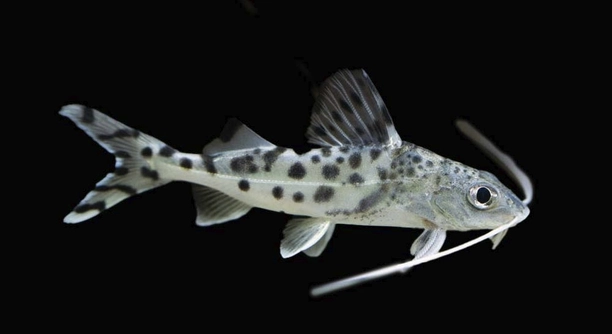
Have you ever brought home a new fish only to realize it might not be the easiest to introduce into your peaceful tank?
The best way to introduce a pictus catfish to a peaceful tank is by creating hiding spots, monitoring aggression, and gradually acclimating the fish. Ensuring water parameters match and choosing suitable tankmates will also reduce stress and improve compatibility.
Learning the right steps can help your pictus catfish settle in smoothly without disturbing the calm of your existing community.
Preparing the Tank for a Pictus Catfish
Before adding a pictus catfish, it’s important to make sure your tank is fully prepared. These fish are active swimmers and need plenty of space—ideally, a tank that’s at least 55 gallons. They also need a strong filtration system, as they produce a fair amount of waste. Soft lighting, smooth gravel, and plenty of hiding spots created with driftwood or caves help them feel safe. Keeping the water temperature between 75°F and 80°F with a stable pH around 7.0 is ideal. Avoid sharp decorations since pictus catfish have delicate barbels that can easily get damaged.
Having a secure lid on your tank is also necessary, as these fish are known to jump.
Once your setup is ready, test the water quality to ensure ammonia and nitrite levels are at zero. Allow your tank to run for a few days, double-checking that everything remains stable before introducing your pictus catfish.
Introducing the Pictus Catfish
Let the pictus catfish acclimate by floating the bag in your tank for 15–20 minutes. Slowly mix tank water into the bag every five minutes using a cup.
After about 30 minutes, gently release the fish into the tank using a net rather than pouring bag water. This prevents contamination and keeps your tank clean. Keep the lights dim during this time to reduce stress. The pictus may hide at first, but that’s normal. Avoid feeding immediately—wait a few hours or until the next day. Observe interactions with other fish. If any aggression occurs, separate the catfish temporarily or rearrange tank décor to reduce territorial behavior. Over the next few days, continue monitoring. Feed at night if your other fish eat aggressively, since pictus catfish are more active in the dark. With patience and proper care, your pictus should adapt well and become a peaceful part of your tank community.
Monitoring Behavior and Tank Dynamics
After adding your pictus catfish, spend time watching how it behaves with other fish. Peaceful tanks usually do well, but it’s still important to check for any signs of stress, hiding, or chasing from tankmates.
If your pictus catfish stays hidden most of the time, that’s not unusual. They are nocturnal and more active at night. However, if they are constantly hiding or refusing to eat, it could mean they feel unsafe. Look for signs like torn fins, rapid breathing, or lack of movement. These can signal stress caused by either poor water quality or harassment from other fish. Check water parameters again and make adjustments if needed. Reorganizing tank décor can also help break up territories and reduce aggression.
Aggressive fish should be removed or separated if they don’t adjust. Some semi-aggressive species might not be ideal companions. Aim for tankmates like tetras, gouramis, or peaceful barbs that leave the catfish alone.
Feeding Your Pictus Catfish
Pictus catfish prefer to feed after lights go out, so evening or night feeding works best. They enjoy sinking pellets, frozen bloodworms, and live brine shrimp. Avoid overfeeding to prevent poor water quality and bloating.
Keep a regular feeding schedule and avoid tossing in food all at once. Scatter sinking pellets in different tank areas to ensure your pictus finds enough to eat without competing with faster fish. A mix of protein-rich foods helps meet their dietary needs, but you can also include the occasional vegetable wafer. Watch to make sure the catfish gets its share—if your other fish eat quickly, consider feeding after lights are off or using a feeding ring. Uneaten food should be removed to maintain water quality. With consistency, your pictus will stay healthy and active while comfortably adjusting to its peaceful tank environment.
Maintaining Water Quality
Clean water helps reduce stress and illness in pictus catfish. Weekly water changes of 25–30% are important, especially in busy community tanks. Always dechlorinate new water before adding it.
Test ammonia, nitrite, and nitrate levels often. Keep ammonia and nitrites at zero, and nitrates below 40 ppm to support long-term health.
Recognizing Signs of Stress or Illness
If your pictus catfish starts swimming erratically, gasping at the surface, or has faded coloring, it may be stressed or unwell. Look for spots, redness, or clamped fins. These can signal infection or poor water conditions. A quick response helps prevent the problem from spreading or getting worse.
When to Rehome the Pictus
If the catfish is constantly harassed or causes stress to other fish despite adjustments, rehoming may be the best option.
FAQ
Can a pictus catfish live alone in a peaceful tank?
Yes, a pictus catfish can live alone, but it may be more active and confident with a small group of its own kind. In peaceful tanks, one catfish is often enough to avoid overcrowding or stress. If your tank is large and has plenty of hiding spots, you could keep two or three together. Just make sure there is enough room and filtration to support the added bioload. They are not schooling fish, but they do enjoy some company from their species when space allows.
What tankmates are safe for a pictus catfish?
Pictus catfish do best with peaceful or semi-peaceful tankmates that are not too small. Avoid tiny fish like neon tetras or guppies, as they may be mistaken for food. Good companions include larger tetras, rainbowfish, barbs (like cherry or rosy barbs), angelfish, gouramis, and most plecos. Avoid slow-moving or very shy species, as the pictus is quite active and can startle them. Cichlids and other aggressive fish should also be avoided, as they may bully or stress the catfish.
Do pictus catfish eat other fish?
They may eat smaller fish if the size difference is too great. Pictus catfish are opportunistic feeders and will try to swallow anything that fits in their mouth, especially at night. To avoid this, choose tankmates that are too large to be considered prey. Feed your catfish well and keep them on a proper schedule to reduce predatory behavior. While they are not aggressive by nature, their appetite can lead to accidental hunting in the wrong setup.
How can I tell if my pictus catfish is happy?
A healthy, happy pictus catfish will be active during the evening or night, swimming along the bottom and exploring the tank. It will eat regularly, show no signs of injury, and react calmly to your presence. Normal behavior includes resting in hiding spots during the day and increased movement when lights are off. A stressed fish may hide constantly, refuse food, or show pale coloring and quick gill movement. Monitoring these signs can help you know if your fish feels comfortable.
How often should I clean the tank with a pictus catfish?
Plan on doing partial water changes once a week—about 25–30%—to keep the tank clean and the water fresh. Pictus catfish are messy eaters and produce a moderate amount of waste. Regular gravel vacuuming helps remove leftover food and debris. Clean the filter every few weeks, but avoid changing all filter media at once to preserve beneficial bacteria. Check water parameters weekly so you can catch problems early. Stable water quality supports your catfish’s long-term health and activity.
Why is my pictus catfish hiding all the time?
Hiding during the day is normal for a pictus catfish. They are nocturnal and become more active after dark. However, if your catfish never comes out, it could be feeling threatened by tankmates, startled by lights, or sick. Check water quality and ensure there are no aggressive fish in the tank. Also, add more hiding spots to help your catfish feel secure. When the tank feels safe, you’ll see more nighttime activity and natural behavior.
Do pictus catfish need a heater?
Yes, they are tropical fish and need warm water to stay healthy. The ideal temperature range is 75°F to 80°F. A reliable heater will help maintain a consistent environment. Fluctuating temperatures can cause stress or illness. Keep a thermometer in the tank to monitor the temperature daily. Sudden drops, especially at night or during colder months, can harm your catfish. A stable heater setup is essential for keeping your fish active and stress-free.
Can I keep a pictus catfish with shrimp or snails?
Shrimp and small snails are not safe in tanks with pictus catfish. They will likely be eaten, especially at night when the catfish is hunting. Larger snails like mystery snails may be ignored, but there’s still a risk. If you want to keep invertebrates, choose other fish species that are more shrimp-friendly. A pictus catfish’s natural feeding habits make it difficult to safely house them with smaller inverts.
Do pictus catfish jump out of the tank?
Yes, they are strong jumpers and will leap if startled or stressed. Always use a tight-fitting lid on your aquarium. Openings near filters or feeding holes should be covered or secured. Sudden movements, loud noises, or poor water conditions can trigger jumping. If your fish jumps out, quickly return it to the tank and observe for signs of injury or shock. Preventing escapes with a secure lid helps protect your catfish from injury or death.
How long do pictus catfish live?
With proper care, a pictus catfish can live for 8 to 10 years. Clean water, a stable environment, a proper diet, and low-stress conditions all help extend its lifespan. Many fish don’t reach this age due to poor conditions or improper tank setups. Investing time in tank maintenance and making thoughtful choices about tankmates can make a big difference. When their needs are met, pictus catfish can be hardy, active, and enjoyable additions to peaceful aquariums for many years.
Final Thoughts
Introducing a pictus catfish to a peaceful tank takes a bit of planning, but it can be done successfully. These fish are active, curious, and can bring a lot of movement to your aquarium. They do best when their basic needs are met—plenty of space, clean water, and the right tankmates. Because they are nocturnal, you might not see them much during the day, but they will be active once the lights go out. With the right setup and a little patience, they usually settle in without causing problems in a calm tank.
Watching how your pictus catfish behaves after being introduced is important. Pay attention to signs of stress or aggression. It’s not always easy to find the perfect balance in a community tank, but small adjustments—like adding hiding spots, rearranging decorations, or feeding after dark—can help a lot. Some fish just aren’t a good match for this catfish, so choosing tankmates wisely is key. If things still don’t work out after trying different solutions, rehoming might be necessary to protect all the fish involved. Being flexible and responsive makes it easier to keep the tank peaceful for everyone.
Caring for a pictus catfish isn’t difficult once you understand what it needs. Clean water, a secure lid, soft lighting, and a balanced diet are the most important parts. Keeping up with regular water changes, monitoring behavior, and feeding properly will help your fish thrive. These catfish can live many years when kept in the right conditions, and they often become a favorite in the tank due to their constant motion and interesting habits. They are a unique choice for those looking to add some variety to a peaceful aquarium. With time, observation, and care, your pictus catfish can become a healthy and active part of your aquatic setup.

Hello,
If you enjoy the content that we create, please consider saying a "Thank You!" by leaving a tip.
Every little bit helps us continue crafting quality advice that supports the health, happiness, and well-being of pets around the world, for pets of all shapes, sizes, and species.
We really appreciate the kindness and support that you show us!