
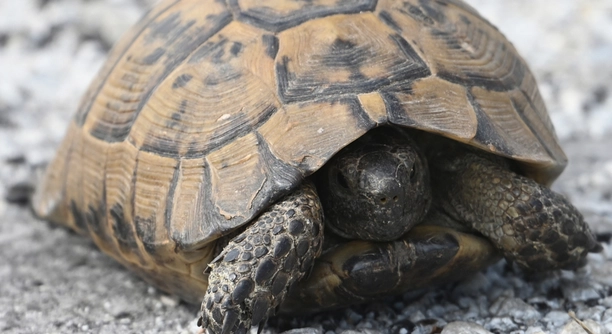
Introducing a new Russian Tortoise to an existing one can be a delicate process. It’s important to approach the introduction thoughtfully to ensure a smooth transition for both animals. Careful planning can prevent stress and territorial behavior.
The key to a successful introduction lies in gradual exposure and monitoring. Start by allowing the tortoises to see each other from a distance. Over time, you can allow them to interact in a neutral space, ensuring both feel safe.
Properly introducing tortoises can result in a harmonious environment. Understanding their behavior during these interactions is essential for long-term success.
Why Gradual Introductions Matter
Introducing tortoises slowly is crucial because it helps minimize stress. Abrupt changes can make them feel threatened, especially when dealing with a new environment or another tortoise. The goal is to make both animals feel secure and comfortable. In nature, tortoises are solitary creatures, and they can be territorial, so it’s essential to respect their need for space. Rushing this process might lead to aggressive behavior or a lack of bonding.
Allowing each tortoise to explore its surroundings separately first is a good idea. Once they are familiar with their new environments, you can proceed with introductions. Start by letting them observe each other from a distance. This gives them time to adjust to the presence of the other. Over a few days, bring them closer, always watching for any signs of stress or aggression.
Patience is key when introducing Russian tortoises to one another. Taking the time to let them get used to each other’s presence will help them adapt without feeling overwhelmed. By following this process, you increase the chances of a smooth and peaceful introduction.
Signs to Watch For
Understanding the signs of stress or discomfort is important. Pay attention to changes in behavior, such as retreating into their shells or becoming overly defensive.
If one tortoise begins to show signs of aggression, it’s best to separate them and try again later. Allow them time to calm down before reintroducing them.
Choose a Neutral Space for the Introduction
Choosing a neutral space is essential to avoid territorial behavior. A new or unfamiliar area for both tortoises helps prevent one from feeling as though it’s their domain. The neutral space should be free of hiding spots that one might claim as their own.
A good neutral space can be a large, open area like a clean floor or a big pen. This space should allow both tortoises to move around freely without feeling crowded. Keep the space simple, so neither tortoise feels the need to defend a specific spot.
The neutral space gives both tortoises the opportunity to explore and get used to each other’s scent and presence without territorial pressure. It also helps to reduce stress by keeping them in a setting where neither one is familiar with their surroundings.
Monitor Their Behavior Closely
While allowing them to interact, keep a close watch on their behavior. Look for signs of aggression or stress, such as hissing or biting. It’s crucial to intervene at the first sign of trouble to avoid injury.
If one tortoise becomes overly defensive or shows aggression, separate them immediately. Giving them both some time apart will help reduce any tension. After a short break, you can try reintroducing them in the same neutral space. Gradual reintroductions over several sessions will help both tortoises feel more comfortable.
Keep Them Separated at First
At first, it’s important to keep the tortoises in separate enclosures. This allows them to become familiar with each other’s scent without feeling threatened. It also helps avoid any direct confrontations. Keep their spaces close enough for them to observe one another but not interact.
Allow them time to adjust before any physical interaction. Keeping them separated at first will also help reduce the chance of territorial aggression. The key is to let them feel secure in their own space while getting used to each other’s presence.
Gradual Face-to-Face Interaction
Once they seem comfortable observing one another, gradually introduce face-to-face interactions. Start by allowing them to meet in a controlled environment. Monitor their body language closely for any signs of distress or aggression.
If they seem to be getting along, you can slowly increase the time they spend together. Keep the interactions short at first, so neither tortoise feels overwhelmed. Over time, this method will help both tortoises become more comfortable in each other’s company.
Offer Plenty of Space
Providing enough space for both tortoises is crucial. This gives them room to move around freely and avoid each other if needed. The space should be large enough for both to have separate territories, even if they choose to share it.
The more space they have, the less likely they are to feel the need to fight or compete for resources. It’s important to create an environment where they can both feel safe and avoid stress. Keep their enclosures or shared space large enough to prevent any territorial disputes.
FAQ
How long should I wait before introducing my tortoises?
It’s best to wait until both tortoises are fully settled into their new environment. This might take a few days to a week. Give each tortoise time to acclimate to their space before any introductions. Introducing them too early can lead to unnecessary stress.
What signs of aggression should I look for?
Signs of aggression include hissing, biting, or chasing. Tortoises may also try to head-butt each other or puff up their bodies. These are clear signs that one tortoise feels threatened or is trying to assert dominance. If this happens, separate them immediately.
Can I leave them alone during their first interaction?
No, you should always supervise their first interactions. Even if the initial meeting seems calm, it’s important to watch for any signs of stress or aggression. Tortoises can act unexpectedly, and it’s better to intervene early if needed.
How long does it take for tortoises to get along?
It varies depending on the tortoises. Some tortoises may bond quickly, while others could take weeks. Gradual introductions and plenty of space help increase the likelihood of them getting along. Patience is key to their success.
Is it necessary to separate them if they fight?
Yes, if they fight, you should separate them immediately. Fighting can lead to injury. Once they are apart, give them some time to calm down before attempting another introduction. Reintroduce them slowly, allowing them to adjust to each other’s presence again.
Can tortoises live together long-term?
Yes, tortoises can live together long-term if they are properly introduced and have enough space. It’s important to keep an eye on their interactions regularly. If they show signs of aggression or stress, you may need to separate them. A peaceful coexistence is possible with patience.
What kind of enclosure should I use?
The enclosure should be large enough for both tortoises to roam and have their own space. A spacious outdoor pen or a large indoor terrarium can work, depending on where you live. Make sure the enclosure has a variety of hiding spots, basking areas, and access to fresh food and water.
Should I provide different food bowls?
Yes, providing separate food bowls for each tortoise is a good idea. This prevents one tortoise from becoming overly dominant or eating more than the other. Each tortoise should have access to its own food without competition.
How do I know if they’re stressed?
Signs of stress include hiding, lack of movement, loss of appetite, or excessive scratching at the enclosure. If a tortoise seems unusually withdrawn or refuses to eat, it may be experiencing stress. Monitor their behavior closely for any signs that they’re not adapting well.
What if one tortoise seems more dominant than the other?
If one tortoise is being overly dominant, it’s important to intervene. Dominant behavior can lead to bullying, which may cause stress and health issues. You can separate them temporarily or give the more submissive tortoise a chance to establish a territory of their own.
Can I use a temporary enclosure for introductions?
Yes, a temporary enclosure can work well for introductions. It provides a neutral space where the tortoises can meet without territorial conflicts. Just make sure it’s large enough for both tortoises to move around and that it’s easy for you to supervise their interaction.
How can I help my tortoises feel more comfortable?
Ensure that your tortoises have a consistent routine and plenty of space. Providing hiding spots, different textures, and proper lighting can make them feel more secure. Also, keeping their environment clean and familiar will reduce stress levels.
Should I be concerned if they don’t get along immediately?
Not necessarily. Tortoises can be slow to adjust to one another. If they don’t seem to get along right away, continue observing them closely and allowing gradual interactions. As long as there’s no major aggression, they can eventually learn to coexist peacefully.
What’s the best way to introduce them during colder months?
If it’s too cold for outdoor introductions, you can create a controlled environment indoors. Make sure the room is warm and has enough space for both tortoises. If needed, provide heat lamps and hiding spots to keep them comfortable.
Final Thoughts
Introducing a new Russian tortoise to an existing one takes time and patience. It’s important to ensure that both tortoises are comfortable in their environment before bringing them together. Giving them their own space initially helps reduce stress and allows them to get used to each other’s scent without the pressure of a direct confrontation. Observing their body language closely can help you determine when they’re ready to interact, and never rush the process.
Once you feel it’s time for a face-to-face meeting, make sure the space is neutral and large enough for both tortoises to move around freely. Always supervise the first interactions to ensure there’s no aggression or distress. If you notice any signs of hostility, separate them immediately and give them time apart. Gradually increasing the length of their interactions over time will help them build trust and become comfortable with each other. Patience is key, as some tortoises may take longer to adjust than others.
Ultimately, providing a large enough space for both tortoises is one of the most important factors in helping them live together peacefully. Ensuring they have separate areas to retreat to, along with enough food, water, and hiding spots, will create an environment where they can feel safe. Regularly monitor their interactions, and be prepared to intervene if necessary. With the right approach, your tortoises can learn to coexist peacefully and share a happy home together.

Hello,
If you enjoy the content that we create, please consider saying a "Thank You!" by leaving a tip.
Every little bit helps us continue crafting quality advice that supports the health, happiness, and well-being of pets around the world, for pets of all shapes, sizes, and species.
We really appreciate the kindness and support that you show us!