
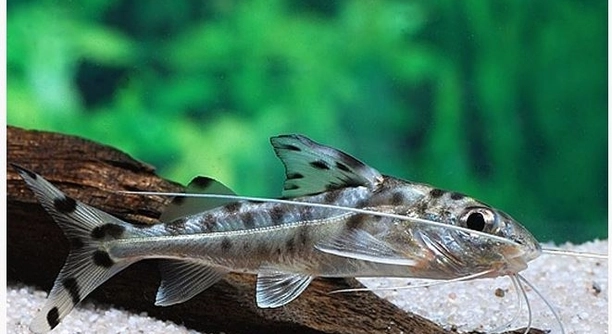
Are your Pictus catfish swimming happily together, but you’re unsure how to safely add a new one to the group?
The best way to introduce a new Pictus catfish is by using a quarantine tank first, then gradually acclimating it to the main tank. This reduces stress and helps prevent the spread of illness among the existing group.
Proper steps can lead to smoother transitions, healthier fish, and a more peaceful community in your aquarium.
Preparing the Tank for a New Pictus Catfish
Start by checking the current tank conditions. Pictus catfish prefer a spacious tank with plenty of hiding spots, steady water flow, and stable water parameters. Before introducing a new one, test the water for ammonia, nitrites, and nitrates. Ensure the tank is large enough—at least 55 gallons for a group—to avoid territorial stress. Add extra hiding spots using rocks, driftwood, or PVC pipes. Dim lighting can help lower aggression during introductions. Rearranging decorations can also disrupt established territories, which helps reduce tension. Once the environment feels neutral and secure, your existing fish are less likely to act defensively.
A separate quarantine tank is essential. Keep the new catfish isolated for two to four weeks.
This step helps detect any hidden health issues. Watch for signs of disease or parasites. Treat them if necessary before any contact with the main group. This protects the overall health of your aquarium.
After quarantine, begin the acclimation process. Float the new catfish’s bag in the tank for 15–20 minutes to match the temperature. Then, slowly add small amounts of tank water into the bag every five minutes for about 30–45 minutes. Once the fish adjusts, gently net it into the tank—avoid pouring transport water into the aquarium. This slow transition helps reduce shock and supports a peaceful entry into its new space.
Introducing the Newcomer to the Group
Monitor closely during the first hour. Look for signs of chasing, nipping, or hiding.
Aggression is less common with Pictus catfish, but stress or overcrowding can trigger unwanted behavior. Keeping the group well-fed before the introduction can help reduce aggression. Feed a small meal 30 minutes before the release. If your current group shows signs of stress or hostility, dim the lights and reduce noise around the tank. Keep tankmates distracted with floating treats or new decorations. Observing the group for the next few hours is key. At night, Pictus catfish become more active, so try to introduce the newcomer earlier in the day. If serious chasing happens, remove the new fish and try again later. Some fish just need more time to adjust. If all goes smoothly, continue to monitor for the next couple of days. A peaceful tank means you’ve introduced your new catfish the right way.
Watching for Signs of Stress or Trouble
After introducing the new catfish, observe their behavior closely. Hiding is normal, but rapid breathing, erratic swimming, or faded color can signal stress. If the fish stays near the surface or avoids food, monitor more often.
Keep the tank environment calm for a few days. Limit sudden movements near the aquarium and avoid making changes to the tank during this period. Feeding should remain consistent but light. If any of the catfish become overly aggressive—chasing or nipping more than once or twice—consider separating them temporarily. Most minor squabbles settle on their own, especially when hiding spots are available. Healthy catfish will start to swim together casually, feed normally, and rest during the day. These signs show the group is adjusting well. Be patient during this stage. Rushing changes or reacting too quickly can increase stress and undo the progress already made.
If stress signs continue for more than two days, review tank conditions again. Double-check the water temperature, pH, and nitrate levels. Even slight changes in parameters can affect catfish behavior. A partial water change may help reset the balance. Also, assess whether the tank is overcrowded. Too many fish in a limited space can create tension. If needed, plan for a tank upgrade or relocate other species. Introducing fish is not only about behavior—it’s also about space, water quality, and the comfort of the environment. Fixing those factors helps your new Pictus catfish feel at home.
Maintaining Group Harmony Long-Term
Feed your Pictus catfish regularly with a varied diet of sinking pellets, frozen bloodworms, and brine shrimp. A well-fed group is less likely to fight. Offer food in multiple spots to prevent competition and promote peace.
Regular water changes and consistent tank maintenance help support long-term health. Clean the substrate weekly and remove any uneaten food. Check filter flow to ensure it mimics their preferred river-like current. Watch for new signs of stress or aggression as they settle. Adding more décor occasionally can keep their environment enriching without stressing the group. Avoid overcrowding the tank, as this can undo earlier progress. Stick to compatible tankmates like peaceful bottom dwellers or mid-level swimmers. Do not introduce new fish too often—space out additions to give the group time to adjust. Observe your catfish during evening hours when they are more active. Over time, their patterns will help you recognize what’s normal and what needs attention.
What to Avoid During the Introduction
Avoid skipping the quarantine step. Even if the new catfish looks healthy, it can carry hidden diseases that could harm your whole group. Quarantine gives time to spot problems early and treat them safely.
Don’t overcrowd the tank. A group of Pictus catfish needs space to swim and hide. Tight spaces can trigger stress and fights.
Adjusting to Group Dynamics
Pictus catfish are active and social but may take time to accept a new member. During the first week, it’s normal for the group to set boundaries. These behaviors should fade as they adjust. Keep your hands out of the tank unless necessary and avoid loud noises near the aquarium. Let them settle naturally. If you notice one fish getting picked on more often, try adding more hiding places. This helps create escape routes and private spots for rest. As long as they are feeding and swimming well, things are likely heading in the right direction.
When to Try Again
If the introduction fails and fighting continues, remove the new catfish and try again in a few days. Use a divider or reintroduce with more changes to the tank layout.
FAQ
How long should I quarantine a new Pictus catfish?
Quarantining a new Pictus catfish for two to four weeks is ideal. This period allows you to watch for signs of illness or parasites without risking your main tank’s health. During quarantine, keep water conditions stable and feed the fish a nutritious diet to help it stay strong.
Can I add more than one new Pictus catfish at the same time?
Yes, introducing multiple new catfish together can sometimes ease tension since they adjust to each other first. However, make sure the tank is large enough and that you quarantine all new fish to prevent disease. Adding several fish at once may reduce bullying but requires extra space.
What signs of stress should I look for in a new Pictus catfish?
Look for rapid gill movement, hiding for extended periods, loss of appetite, or erratic swimming. Faded colors and clamped fins are also signs of stress. These can be caused by poor water quality, bullying, or sudden changes in environment. Addressing these issues quickly is important.
How can I reduce aggression during introductions?
Feed the existing group before adding the new fish to reduce competition. Dim the lights to calm fish and rearrange tank decorations to break up territories. Providing plenty of hiding spots also helps reduce aggression and allows fish to escape when needed.
Is it okay to introduce a new Pictus catfish without rearranging the tank?
It’s better to rearrange some decorations or add new hiding spots. Changing the layout disrupts established territories and helps reduce aggression by giving fish a fresh environment to explore. Leaving everything the same may lead to defending existing spots more fiercely.
What type of tankmates work well with Pictus catfish?
Pictus catfish get along best with peaceful, mid-to-bottom dwelling fish like tetras, rasboras, or corydoras. Avoid aggressive or very territorial species. Tankmates should tolerate similar water conditions and not compete for the same space or food.
Can Pictus catfish live alone?
They are social fish and prefer to live in groups of at least three to five. Living alone can lead to stress and shy behavior. Groups create natural social interactions that keep them active and healthy.
How do I handle a Pictus catfish safely during introduction?
Use a soft net to gently transfer the fish. Avoid squeezing or sudden movements, as this stresses the fish. Do not pour water from the transport bag directly into the tank to prevent contamination. Always float the bag in the tank first for temperature acclimation.
What is the ideal water temperature for Pictus catfish?
Pictus catfish thrive in temperatures between 72°F and 79°F (22°C to 26°C). Maintaining stable temperatures within this range supports their health and reduces stress. Avoid sudden temperature changes during introduction or quarantine.
How often should I feed my Pictus catfish during the introduction period?
Feed small amounts twice daily. Overfeeding can pollute the water and increase stress. Providing food in multiple spots reduces competition and encourages peaceful eating. Healthy feeding habits contribute to a smoother adjustment for both new and existing fish.
What if the new catfish hides for days after introduction?
Hiding is normal as the fish adjusts. Ensure plenty of hiding spots are available. Avoid chasing or disturbing it during this time. If the fish refuses to eat or shows other signs of distress after a week, recheck water conditions and consider consulting an aquatic specialist.
Are Pictus catfish territorial?
They can show mild territorial behavior, especially in smaller tanks or if overcrowded. Providing enough space and hiding places minimizes territorial disputes. Groups usually establish a loose social order with minimal conflict if their environment supports their needs.
Introducing a new Pictus catfish to an established group takes careful planning and patience. Ensuring the right tank conditions, quarantining the new fish, and slowly acclimating it all help reduce stress and the risk of illness. These steps create a safer and more comfortable environment for both the newcomer and the existing catfish. Taking time to prepare the tank with adequate space and hiding spots can also make a big difference in how smoothly the introduction goes. A peaceful tank means less stress for all your fish, helping them stay healthy and active.
Watching closely during and after the introduction is important. Noticing signs of stress, aggression, or illness early allows you to act quickly before problems worsen. Simple actions like rearranging decorations, feeding the fish before introductions, and dimming lights can help calm the group and reduce tension. It’s normal for the fish to take some time to adjust. Being patient and giving the fish space and time often leads to better results than rushing the process. If any issues arise, small changes to the tank or temporarily separating the fish can help.
Keeping your Pictus catfish happy in the long term depends on regular care and attention. Consistent feeding, clean water, and a stable environment all play a role. Watching their behavior over time helps you understand what is normal and when something needs to be addressed. Providing a group of compatible tankmates and enough room for everyone to swim and hide makes for a healthier, more harmonious aquarium. Overall, introducing a new Pictus catfish successfully takes time and care but is rewarding when your fish live together peacefully and thrive.

Hello,
If you enjoy the content that we create, please consider saying a "Thank You!" by leaving a tip.
Every little bit helps us continue crafting quality advice that supports the health, happiness, and well-being of pets around the world, for pets of all shapes, sizes, and species.
We really appreciate the kindness and support that you show us!