
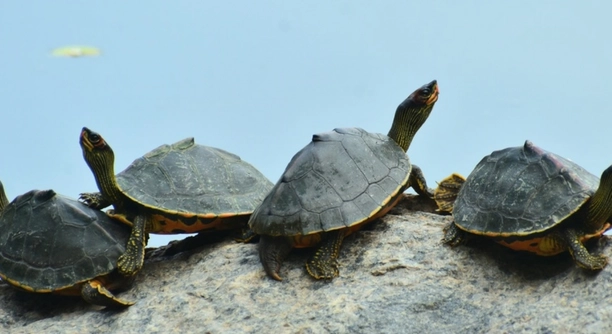
Do you ever find yourself wanting to introduce a new Indian roofed tortoise to your existing one but feel unsure about how to do it properly? Creating a smooth introduction is essential for their well-being and long-term companionship.
The best way to introduce a new Indian roofed tortoise to an existing one is by following a gradual, step-by-step process. This includes setting up a neutral space, monitoring their interactions, and ensuring each tortoise has enough space to feel secure.
Taking the right approach will help reduce stress and prevent territorial conflicts. Learning these essential steps will ensure a peaceful introduction and a comfortable environment for both tortoises.
Preparing for the Introduction
Creating the right setup before introducing a new Indian roofed tortoise is important. Start by ensuring both tortoises are healthy. A vet check will rule out any illnesses that could spread. Set up a temporary enclosure for the new tortoise. This allows it to adjust before meeting the existing one. Make sure both enclosures have similar temperature, humidity, and hiding spots to keep stress levels low. Gradually letting them get used to each other’s scent can make the process smoother. Swap items like rocks or hides between enclosures so they become familiar with each other’s presence.
A neutral space is the best place for their first meeting. Choose an area neither tortoise has claimed as territory. This prevents aggressive behavior and makes them feel more comfortable.
Taking small steps will help create a safe and peaceful introduction. Allowing both tortoises to become familiar at their own pace reduces stress and promotes a positive interaction.
Monitoring Their First Interaction
Supervision is necessary when introducing them for the first time. Watch their body language to see if they are comfortable with each other.
Start with short, controlled meetings in a neutral space. Keep sessions brief and increase the time as they get used to one another. If either tortoise shows signs of stress, like constant hiding or aggressive behavior, separate them and try again later. Some minor curiosity is normal, but excessive biting or chasing can indicate problems. Providing multiple hiding spots can help them feel secure.
If interactions remain calm over several meetings, you can consider housing them together. Ensure the enclosure is large enough for both to move freely without feeling crowded. Continue monitoring them for the first few weeks to prevent conflicts. A slow, careful approach will give them the best chance to coexist peacefully.
Reducing Stress During the Introduction
A calm environment helps reduce stress for both tortoises. Keep noise levels low and avoid sudden movements when they are together. Offer hiding spots in their shared space to give them a sense of security. If either tortoise seems overwhelmed, separate them and try again later.
Introducing food during their interactions can create a positive association. Place food in separate areas so they do not compete. Watching them eat together can indicate if they are comfortable with each other. Avoid feeding them from the same dish until they show no signs of aggression. If one tortoise constantly dominates the food, provide multiple feeding stations.
Maintaining consistent environmental conditions is also important. Keep temperatures, humidity, and lighting stable to prevent additional stress. Regularly check for signs of illness, as stress can weaken their immune systems. A well-maintained enclosure will help them feel safe and adapt more easily.
Ensuring Long-Term Compatibility
Even after a successful introduction, monitoring their behavior is necessary. Occasional dominance behaviors like nudging or climbing are normal, but constant aggression should not be ignored. If one tortoise frequently hides or avoids the other, consider providing more space or rearranging the enclosure to reduce territorial behavior.
A spacious enclosure with multiple basking areas and hiding spots prevents competition. Ensure each tortoise has access to food, water, and heat without needing to fight for resources. Providing visual barriers like plants or rocks can create personal space. If conflicts continue, separating them permanently may be necessary.
Regular health checks will keep them in good condition. Stress from a poor introduction can lead to weakened immunity. Keep their habitat clean and provide a varied diet to support their health. A well-balanced environment will help them live comfortably together for years.
Signs of a Successful Introduction
Calm and relaxed behavior is a good sign that both tortoises are adjusting well. If they explore their enclosure together without signs of stress, they are likely comfortable. Sharing basking spots or eating near each other also shows they are becoming more familiar.
If neither tortoise is hiding excessively or displaying aggressive behavior, they are likely settling in. Occasional curiosity is normal, but persistent chasing or biting is not. Regular positive interactions indicate that they can coexist peacefully in the same space.
What to Do If Problems Arise
If aggression continues, separate them and try reintroducing them in shorter sessions. Some tortoises take longer to adjust, and forcing interactions can make things worse. Giving them time apart may help reduce stress before trying again.
Final Thoughts
Taking the process slowly ensures both tortoises feel secure. A careful approach will help them build a peaceful relationship over time.
FAQ
How long should I wait before introducing a new tortoise?
It’s best to give your existing tortoise time to settle into its environment before introducing a new one. Wait at least 1-2 weeks after bringing your new tortoise home. This allows both tortoises to adjust to their surroundings and reduces the likelihood of stress during their first meeting. However, every tortoise is different, so some may need more time to feel comfortable in their space.
Should I quarantine the new tortoise before introduction?
Yes, it’s highly recommended to quarantine the new tortoise for 2-4 weeks before introducing it to your existing one. This helps ensure that the new tortoise is healthy and not carrying any diseases that could spread. During quarantine, monitor the new tortoise for any signs of illness, such as loss of appetite or abnormal behavior. This precaution helps prevent any potential harm to your existing tortoise.
What signs indicate that my tortoises are getting along?
Tortoises that are getting along will display calm and non-aggressive behavior. They may explore the same area, bask together, or even eat near each other without showing signs of dominance. You may notice them occasionally touching or sniffing each other in a gentle way. Positive body language, like slow movements and lack of defensive behaviors, shows they are starting to accept each other.
What should I do if one tortoise is aggressive toward the other?
If you notice aggression between the tortoises, separate them immediately to prevent injury. Aggressive behaviors, like biting or chasing, should not be ignored. Try reintroducing them slowly and in short sessions, using a neutral space and closely monitoring their interactions. If aggression continues, it may be necessary to keep them in separate enclosures or consult with a reptile specialist to address the issue.
How do I make sure both tortoises are comfortable in their shared space?
To keep both tortoises comfortable, provide enough space and resources. Ensure there are multiple basking areas, hiding spots, and feeding stations to avoid competition. Each tortoise should have its own area to retreat to if needed. Keep the environment clean and maintain proper temperature and humidity levels. Having these resources will reduce stress and give each tortoise its own territory.
Can I house different species of tortoises together?
It’s generally not advisable to house different species of tortoises together. Different species can have varying temperature, humidity, and dietary needs. They may also have different social structures, which can lead to stress or aggression. It’s safer to house tortoises of the same species together, where their needs and behaviors align more closely.
What size enclosure do I need for two tortoises?
The size of the enclosure will depend on the species and size of the tortoises, but generally, you should provide at least 4-6 square feet of space per adult tortoise. If your tortoises are small, you may be able to house them in a slightly smaller space, but a larger area is always better. A bigger space helps reduce territorial disputes and ensures they have enough room to explore.
What if one tortoise is much older or larger than the other?
If one tortoise is much older or larger, it may dominate the younger or smaller one. This can cause stress or health issues for the smaller tortoise. You can still house them together, but you should closely monitor their interactions. Make sure the larger tortoise doesn’t bully the smaller one, and provide plenty of space for the smaller tortoise to retreat when needed.
How can I tell if my tortoises are stressed?
Signs of stress in tortoises include excessive hiding, refusal to eat, or pacing around their enclosure. You may also notice them becoming more aggressive or defensive. Physical signs like shedding, changes in shell color, or weight loss can indicate stress as well. If your tortoises are showing any of these signs, it’s important to assess their environment and interactions to reduce their stress levels.
How do I know when it’s safe to house my tortoises together permanently?
You can house them together permanently once they have shown positive interactions over several meetings. They should be comfortable sharing space, eating near each other, and displaying relaxed body language. If there is no ongoing aggression and both tortoises are eating, basking, and exploring freely, they are likely ready to live together full-time.
Can I introduce more than one new tortoise?
Introducing more than one new tortoise at a time can complicate the process. It’s usually better to introduce one new tortoise at a time so that each tortoise has a chance to bond with the other. If you decide to introduce more than one, ensure each new tortoise has a chance to get used to the existing one individually before being introduced together. This will help reduce stress and aggression.
How do I know if my tortoises are eating enough?
Tortoises are typically good at regulating their own food intake, but you can monitor their behavior to ensure they are eating enough. If they are consistently active and not losing weight, they are probably getting enough food. If one tortoise is constantly avoiding food or shows a lack of interest, it could be a sign of stress or illness, and you should consult a vet.
Introducing a new Indian roofed tortoise to an existing one requires patience and careful planning. It is important to consider both tortoises’ well-being, ensuring they have enough space and resources in their shared environment. By taking a slow, steady approach, you can help reduce the stress that might arise from such a change. Providing a neutral space for their first meeting and carefully monitoring their behavior will help you gauge whether they are comfortable with each other. Over time, their interactions can become more relaxed, indicating that they are adjusting well.
Regularly observing their behavior will help you spot any signs of stress or aggression early on. It’s important not to rush the process, as forcing them to live together before they are ready can cause unnecessary conflict. If either tortoise shows signs of fear or aggression, it’s best to separate them and try again later. Making sure both tortoises feel safe and have their needs met will make the introduction process smoother and more successful. Keep an eye on their eating habits, energy levels, and overall health to ensure that they are both thriving in their new shared space.
Remember, each tortoise has its own personality, so some may take longer to adjust than others. Some may need more time or space to feel comfortable with their new companion. As long as you stay patient and give them time to build trust, most tortoises will eventually settle into a peaceful routine. Creating a supportive environment for both tortoises and ensuring their physical and emotional needs are met will help them live together harmoniously in the long term. Taking small steps and being patient will go a long way in ensuring both tortoises’ happiness and well-being.

Hello,
If you enjoy the content that we create, please consider saying a "Thank You!" by leaving a tip.
Every little bit helps us continue crafting quality advice that supports the health, happiness, and well-being of pets around the world, for pets of all shapes, sizes, and species.
We really appreciate the kindness and support that you show us!