
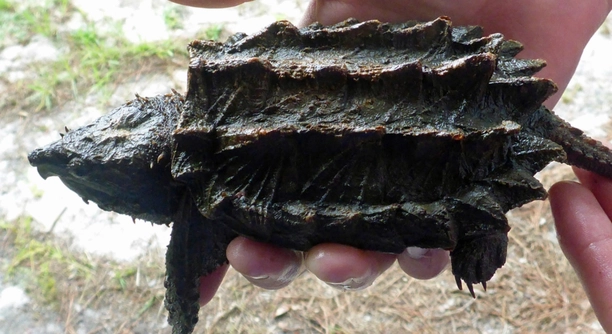
Introducing a new alligator snapping turtle to an existing one can be a challenge, especially when considering their territorial nature. It’s important to take careful steps to ensure a smooth introduction between these fascinating creatures.
To properly introduce a new alligator snapping turtle to an existing one, it is crucial to start by separating them in different enclosures. Gradually allow them to interact in a neutral space, ensuring both turtles have plenty of room and are not stressed.
With a few helpful strategies, you can successfully introduce the turtles without overwhelming them. Proper preparation and patience are key to helping them adjust and coexist peacefully.
Preparing the Enclosures for the Turtles
When introducing a new alligator snapping turtle to an existing one, the first step is preparing separate enclosures for each turtle. These enclosures should mimic their natural habitat as much as possible, with ample space for swimming and hiding. You’ll want to include soft substrates, such as sand or fine gravel, and access to clean water with proper filtration. This allows both turtles to feel safe and secure in their own space before any introductions.
Having separate enclosures also reduces the chances of immediate territorial disputes. It gives each turtle time to adjust to its new environment and helps you monitor their individual behavior. Make sure the enclosures are of equal size to avoid any feelings of competition.
It’s also a good idea to introduce some familiar scents to both enclosures. If you can, place a small item from the other turtle’s habitat in each enclosure. This will help them become accustomed to the other turtle’s presence before any face-to-face meeting.
Gradual Introduction Process
A slow and steady approach is best when introducing the turtles.
Allowing the turtles to meet in a neutral space is key. This space should be large enough for both turtles to have room to move around without feeling cornered. Start by placing them together briefly, watching their behavior closely. If they seem calm, you can increase the time spent together gradually.
If the turtles show signs of aggression, immediately separate them. You may need to try a few more times before they are comfortable together. Keep a close eye on both turtles to ensure neither one is stressed.
Once they seem calm and accepting of one another, you can move them into a shared space. This should be an environment they both find comfortable, with plenty of hiding spots and space to move freely. Over time, you’ll see if they are ready to share their home fully.
Monitoring Behavior During the Introduction
It’s essential to observe both turtles closely during the introduction process. Keep an eye on any signs of aggression, such as biting or chasing. This can happen as they establish their space and dominance. If you notice any of these behaviors, it’s important to separate them immediately and give them time to calm down.
You should also watch for signs of stress, like excessive hiding or swimming in circles. This could indicate discomfort with the new environment or with the other turtle. If this happens, try introducing them again after a few days. In some cases, one turtle may need more time to adjust.
Another sign to watch for is posturing. If one turtle raises its head high or opens its mouth, this could be a sign of dominance. These behaviors may seem intimidating but are part of natural turtle interactions. Just be sure to monitor carefully and separate them if the aggression becomes too intense.
Ensuring Proper Nutrition for Both Turtles
Both turtles will need their own food while adjusting to each other. Offering separate feeding stations in the beginning is crucial to prevent any territorial fights over food. Make sure each turtle has access to their share without having to compete. A balanced diet consisting of both plant and animal matter will support their health and energy levels.
Over time, you can observe how they eat when placed together. If one seems too dominant over food, you may need to adjust feeding times or locations. Offering them varied meals, such as worms, fish, and leafy greens, will ensure they stay well-nourished.
As the turtles grow more comfortable with each other, they may be more inclined to share food. However, until then, it’s best to keep feeding stations separate to avoid aggression. Healthy nutrition is just as important for their well-being as their social interactions.
Handling Potential Aggression
Aggression is common when introducing new turtles. It can involve biting, chasing, or excessive posturing. If this happens, separate them immediately and try again later. Always keep a close eye on their behavior to avoid serious harm. Over time, they may settle into a more peaceful routine.
Monitor their interactions carefully and intervene if necessary. If aggression continues after several attempts, consider consulting a veterinarian or reptile expert for advice on managing their behavior. Patience is key, and forcing them together too soon can result in injury. Give both turtles plenty of space and time to adjust.
Adjusting Tank Conditions for Both Turtles
Creating a comfortable space is essential. Both turtles need enough space to move freely and avoid conflict. Ensure the tank is large enough, with a shallow area for basking and deep water for swimming. Filtration is crucial to maintain water quality.
Adding plenty of hiding spots and different textures in the tank will help them feel secure. If possible, add rocks or logs where they can rest and stay out of each other’s way. The more options for privacy they have, the easier the transition will be.
Keeping the Environment Stress-Free
Maintaining a calm environment is crucial for a smooth introduction. Avoid loud noises, sudden movements, or any disruptions in the tank area. Keeping things quiet and stable can prevent unnecessary stress for both turtles.
FAQ
How long does it take for alligator snapping turtles to adjust to each other?
The time it takes for alligator snapping turtles to adjust to one another can vary depending on their personalities and previous experiences. Some may take a few days, while others might need a few weeks. If there is a lot of aggression or stress, the process could take longer. It’s important to remain patient and continue monitoring their interactions. If the turtles aren’t getting along, take breaks between introductions to give them time to calm down.
Should I introduce a young alligator snapping turtle to an adult?
Introducing a young turtle to an adult can be tricky. Adults may feel threatened by the presence of a younger turtle and could become territorial or aggressive. To reduce the risk of harm, it’s best to introduce them in a neutral space. Keep the initial meetings short and closely supervise them. Ensure the younger turtle has enough hiding spots to avoid being bullied. If the adult turtle continues to show aggression, it may be better to wait until the young turtle is older and more assertive.
What should I do if my turtles fight during the introduction process?
If your turtles fight, it’s important to separate them immediately to prevent injury. Fighting can cause stress and harm to both turtles, so do not allow it to continue. Give them time apart in their separate enclosures and allow them to calm down. Reintroduce them slowly, in a neutral area, watching their behavior closely. If the fighting continues, consider seeking expert advice from a reptile vet or specialist.
Can I keep multiple alligator snapping turtles in the same tank?
Yes, you can keep multiple alligator snapping turtles in the same tank, but it requires a lot of preparation. The tank must be large enough to provide each turtle with their own space. You also need to have enough hiding spots and basking areas for them to retreat to when needed. Be prepared to monitor their behavior closely and separate them if aggression occurs. Not all turtles will get along, so it’s essential to remain vigilant.
How can I tell if my turtle is stressed during the introduction?
Signs of stress in alligator snapping turtles can include excessive hiding, swimming erratically, or not eating. If one turtle is constantly trying to escape or seems lethargic, it may be feeling overwhelmed. Stress can also manifest in physical behaviors like rapid breathing or defensive postures. If you notice any of these signs, give the turtles time apart and adjust their environment to make them feel more secure.
How much space do alligator snapping turtles need when housed together?
Alligator snapping turtles need a large tank to live together comfortably. A tank size of at least 150 gallons is recommended for two turtles. The more space, the better, as it will allow them to establish their own areas within the tank. The space should include both water for swimming and dry areas for basking. Each turtle needs enough room to move freely without feeling overcrowded, which can lead to stress or aggression.
Is it necessary to provide separate food stations during introductions?
Yes, it is highly recommended to provide separate food stations when introducing new turtles. This prevents competition and reduces the likelihood of one turtle dominating the other. Having separate feeding areas also helps to prevent territorial disputes during mealtime. You can slowly phase out separate feeding stations once they become more comfortable with each other.
What if one of my turtles seems to be bullying the other?
If one turtle is bullying the other, it’s important to address the issue immediately. Bullies can cause physical harm or stress to the other turtle, so you may need to separate them until they can interact peacefully. You can also try rearranging the tank to make it feel more neutral, as this may help reduce territorial behavior. In severe cases, permanent separation may be necessary if the bullying turtle cannot coexist with the other.
Can I use tank dividers to separate the turtles during the introduction process?
Tank dividers can be a useful tool during the introduction process. They allow the turtles to see each other without direct contact, helping them adjust to each other’s presence. The divider also ensures that they cannot fight or cause harm to one another. Once both turtles are comfortable with each other, you can gradually remove the divider and allow them to interact.
Should I be concerned if my alligator snapping turtle isn’t eating during the introduction?
If your turtle is not eating during the introduction, it may be stressed or feeling threatened. A lack of appetite can also indicate that the turtle is not adjusting well to the new environment or to the presence of the other turtle. Try separating them and give both turtles some time alone to settle. Offer food again after a break and observe if their behavior improves. If they continue refusing to eat, consult a vet for advice.
Is it safe to introduce alligator snapping turtles of different sizes?
Introducing alligator snapping turtles of different sizes can be risky. The smaller turtle may become intimidated or bullied by the larger one. Larger turtles may also unintentionally harm smaller ones during the introduction process. If you do decide to introduce turtles of different sizes, ensure the smaller turtle has plenty of hiding spots and room to move away from the larger one. Supervise their interactions closely and separate them if aggression or bullying occurs.
How can I help my turtles feel more comfortable during their introduction?
Creating a calm environment is essential for helping your turtles feel comfortable. Avoid loud noises or sudden movements near the tank, as this can cause unnecessary stress. Add plenty of hiding spots, such as rocks, logs, or plants, to give the turtles places to retreat if they feel overwhelmed. Keeping the water clean and at the appropriate temperature will also help them feel more at ease.
Final Thoughts
Introducing a new alligator snapping turtle to an existing one requires patience and careful planning. These turtles are naturally territorial, so the process may take time. The key is to make gradual adjustments and observe their behavior closely. When done properly, they can coexist peacefully, but it’s important to be prepared for challenges. Start by creating a separate space for each turtle, and allow them to interact slowly in a neutral area. Avoid rushing the process, and remember that each turtle has its own personality, so the time it takes for them to get along will vary.
The environment plays a big role in how well the introduction goes. Ensure that the tank is large enough for both turtles to move freely without feeling cramped. Having enough hiding spots and basking areas helps each turtle feel secure and reduces stress. It’s also crucial to maintain clean water and provide a healthy diet for both turtles. Providing separate food stations during the introduction can help reduce territorial issues around mealtime. The more comfortable the turtles feel in their environment, the easier it will be for them to adapt to each other’s presence.
If aggression or stress continues even after following all the steps, it may be necessary to separate the turtles for a longer period. Sometimes, despite all efforts, certain turtles may not be suited to living together. In such cases, you may need to find an alternative solution, like providing each turtle with its own enclosure. Above all, prioritize their health and well-being. If you encounter challenges along the way, don’t hesitate to reach out to a vet or reptile expert for guidance. With patience and proper care, your alligator snapping turtles can enjoy a peaceful and comfortable life together.

Hello,
If you enjoy the content that we create, please consider saying a "Thank You!" by leaving a tip.
Every little bit helps us continue crafting quality advice that supports the health, happiness, and well-being of pets around the world, for pets of all shapes, sizes, and species.
We really appreciate the kindness and support that you show us!