
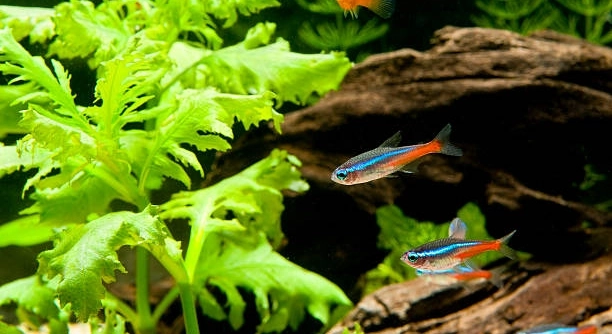
Neon Tetras are a popular choice for aquariums, known for their vibrant colors and peaceful nature. However, like all fish, they require specific care to live a long and healthy life.
To increase Neon Tetra longevity, it’s important to address factors like water quality, diet, tank size, and stress levels. Regular maintenance, proper feeding habits, and a stable environment can significantly extend their lifespan and improve overall health.
Making small but meaningful adjustments to their lifestyle can ensure a longer and healthier life. This article will explore seven effective changes you can implement today.
1. Maintain Clean Water Conditions
Water quality is one of the most important factors in the health and longevity of Neon Tetras. A well-maintained tank ensures they are free from harmful toxins and parasites. You should change the water regularly and monitor its pH, ammonia, nitrite, and nitrate levels. Ideal water conditions are slightly acidic (pH 6.0–7.0) with a temperature range of 72–78°F.
Additionally, invest in a reliable filtration system to keep the water clean and oxygenated. This reduces stress for the fish and helps them thrive in a more stable environment.
Regular water changes not only improve water quality but also ensure that harmful substances don’t accumulate. Routine maintenance will prevent health issues that can shorten their lifespan.
2. Provide a Proper Diet
Feeding Neon Tetras a balanced diet is key to ensuring their health. They require a mix of protein-rich foods and plant-based nutrients. High-quality flakes, pellets, or frozen foods like brine shrimp and daphnia can provide them with the necessary nutrients.
Overfeeding can lead to poor water quality, while underfeeding may result in malnutrition. Stick to a feeding schedule and offer food that they can consume within a few minutes to prevent waste buildup. Proper nutrition helps boost their immune system and prevents disease.
A well-rounded diet supports their growth, color, and overall vitality. Keep their feeding routine consistent, and they will live healthier lives.
3. Avoid Overcrowding
Overcrowding your tank can cause stress and aggression, shortening the lifespan of Neon Tetras. It’s essential to provide enough space for each fish to swim comfortably.
Neon Tetras are small, but they still need room to explore and establish territories. A general rule is to allow one inch of fish per gallon of water. If your tank is too crowded, it can lead to poor water quality and an increase in diseases.
A spacious environment minimizes stress, which improves their health and longevity. Ensuring the right number of fish for your tank’s size helps maintain a peaceful, healthy ecosystem for all the inhabitants.
4. Keep Tankmates Compatible
Choosing the right tankmates is essential for Neon Tetra longevity. They are peaceful and thrive in groups of six or more, but it’s important to avoid aggressive species.
Avoid placing Neon Tetras with large or aggressive fish that may bully or eat them. Fish like Betta fish, cichlids, and certain barbs can create a stressful environment. On the other hand, peaceful species like guppies, mollies, and rasboras are good companions. Keeping calm, non-aggressive species together reduces the risk of injury or stress.
A peaceful community tank fosters a stable, harmonious environment. This lowers stress levels, allowing Neon Tetras to focus on thriving rather than constantly defending themselves.
5. Regulate Water Temperature
Neon Tetras are sensitive to drastic changes in water temperature. Keeping the temperature stable is crucial for their health and longevity.
A sudden drop or spike in temperature can stress the fish, making them more susceptible to illness. Use a reliable aquarium heater to maintain a consistent temperature between 72°F and 78°F. A thermometer in the tank will help you monitor fluctuations.
Consistent water temperature ensures your Neon Tetras stay active and healthy, leading to a longer, more comfortable life. It’s a simple but essential factor in their care.
6. Create a Stress-Free Environment
Stress negatively impacts Neon Tetras’ health and can reduce their lifespan. To minimize stress, provide hiding spots like plants, rocks, or aquarium decorations.
Neon Tetras feel more secure when they have places to retreat. These hiding spots reduce their exposure to other fish or sudden movements, promoting relaxation. Additionally, avoid placing the tank in high-traffic areas where they may feel constantly disturbed. The more peaceful and predictable their environment, the longer they will thrive.
Stress-free conditions help your Tetras live more comfortably and avoid conditions that could lead to illness.
7. Monitor for Diseases
Keeping an eye on your Neon Tetras for signs of disease is essential to preventing long-term health issues. Early detection allows you to treat them promptly and effectively.
Signs of illness include faded colors, unusual swimming behavior, or visible lesions. Regular water changes, a proper diet, and maintaining water quality will help prevent common fish diseases. Treat any illnesses immediately to avoid spreading them to other fish in the tank. Quick treatment can prevent minor issues from becoming major health threats.
FAQ
What is the ideal tank size for Neon Tetras?
Neon Tetras are small fish, but they still need adequate space to thrive. A minimum of 10 gallons is recommended for a small group of Neon Tetras. For every additional fish, add about 2 gallons of water. This helps maintain water quality and allows your fish to swim freely.
If your tank is too small, the water quality can deteriorate quickly, leading to stress and health problems. Additionally, providing enough space for each fish to establish its territory reduces aggression. A larger tank also allows for better filtration, which improves overall tank conditions. A spacious environment leads to healthier, more vibrant Neon Tetras.
How many Neon Tetras should be kept together?
Neon Tetras are schooling fish and thrive in groups. It’s best to keep at least six Neon Tetras in a group. When kept in groups, they feel more secure and are less likely to become stressed.
While a smaller group might survive, they’ll be more nervous and less active. A school of six or more encourages natural behavior, including schooling and interacting with one another. This group dynamic also reduces stress, which helps prevent health problems.
Can Neon Tetras live with other fish?
Neon Tetras are peaceful and can live with many species of fish, but it’s crucial to choose compatible tankmates. Avoid large or aggressive fish, as they can stress or harm your Neon Tetras.
Species such as guppies, mollies, and other peaceful small fish are ideal companions. Avoid aggressive fish like Betta fish or cichlids, which can chase or nip at your Tetras. It’s important to create a calm, non-aggressive tank environment to help your Neon Tetras live longer and healthier lives.
What should I feed Neon Tetras?
Neon Tetras are omnivores and need a balanced diet to stay healthy. High-quality fish flakes or pellets should form the base of their diet. You can also supplement with frozen or live food, such as brine shrimp or daphnia.
Feed them small portions, no more than they can consume in a few minutes, to avoid overfeeding and water quality issues. A variety of foods helps ensure they receive all the essential nutrients needed for their growth and color development.
How often should I change the water for my Neon Tetras?
Water changes are essential to maintaining a healthy tank environment for Neon Tetras. A 20% to 30% water change once a week is generally recommended, but this can vary depending on the size of the tank and the number of fish.
Regular water changes prevent the buildup of waste and harmful toxins. It’s also important to monitor the water parameters—such as pH, ammonia, nitrites, and nitrates—to ensure they stay within safe levels. Consistent maintenance keeps the tank stable and the fish healthy.
How can I tell if my Neon Tetra is stressed?
Signs of stress in Neon Tetras can include hiding, unusual swimming patterns, faded colors, and lack of appetite. If your Tetra is frequently darting around the tank or appears lethargic, it may be stressed.
Stress is often caused by poor water quality, overcrowding, or aggression from tankmates. It’s important to observe the behavior of your fish and make adjustments to their environment if necessary. Creating a peaceful and stable environment is key to preventing stress and ensuring your Tetras thrive.
Are Neon Tetras prone to any diseases?
Yes, Neon Tetras can be affected by a few common fish diseases. They are particularly susceptible to neon tetra disease, which causes fading colors, swollen bellies, and lesions. This disease is contagious and can spread quickly among fish in the same tank.
Neon Tetras can also suffer from external parasites, such as ich, which causes white spots on the skin. To prevent disease, ensure your tank is clean, provide a proper diet, and quarantine any new fish before introducing them to your tank. Treat any diseases immediately to prevent them from spreading.
Do Neon Tetras need a filter?
Yes, Neon Tetras require a filtration system to maintain clean water. A filter helps remove waste, uneaten food, and toxins from the water, creating a healthier environment.
Choose a filter that is appropriate for the size of your tank, and make sure it provides adequate filtration without creating strong currents. Neon Tetras prefer calm waters, so adjust the flow rate to ensure it is gentle. A good filter also promotes oxygen exchange, which is essential for your fish’s well-being.
What kind of plants should I keep in a tank with Neon Tetras?
Live plants are a great addition to a tank with Neon Tetras. They provide hiding places and help maintain water quality by absorbing excess nutrients.
Low to medium light plants like Java moss, Anubias, and Amazon swords are good choices. These plants create a natural environment for your Tetras and reduce stress. They also contribute to oxygenation and help improve water quality. Make sure the plants are safe for fish and don’t have sharp edges that could harm your Tetras.
Final Thoughts
Caring for Neon Tetras requires attention to detail and a commitment to maintaining the right environment. By providing a proper tank size, monitoring water quality, and ensuring a peaceful community, you can create a habitat where these beautiful fish can thrive. Regular care, including feeding them appropriately and performing water changes, plays a crucial role in their overall health and longevity.
It’s also essential to be aware of their needs regarding temperature and tankmates. Keeping the water temperature stable and ensuring they are not overcrowded will significantly reduce stress and improve their chances of living a long, healthy life. Choosing peaceful tankmates and avoiding aggressive species will help maintain a harmonious environment where Neon Tetras can feel secure. Stress is one of the main factors that can negatively impact their health, so making their surroundings calm and predictable is key.
Finally, staying vigilant for signs of illness and responding quickly will ensure that any potential health issues are addressed before they become serious. Regular observation of your Tetras, as well as providing a diet that meets their nutritional needs, will help keep them strong and vibrant. By following these simple guidelines, you can enjoy the company of healthy, long-living Neon Tetras in your aquarium for years to come.

Hello,
If you enjoy the content that we create, please consider saying a "Thank You!" by leaving a tip.
Every little bit helps us continue crafting quality advice that supports the health, happiness, and well-being of pets around the world, for pets of all shapes, sizes, and species.
We really appreciate the kindness and support that you show us!