
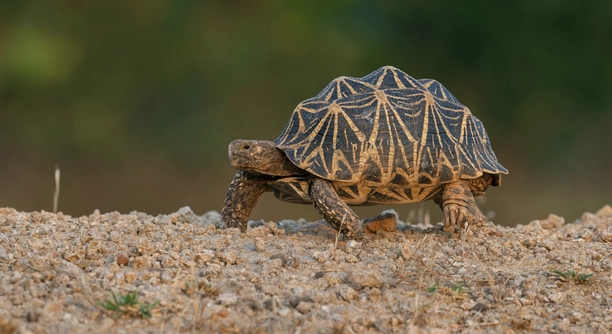
Indian Star Tortoises are fascinating creatures, and observing their natural behavior can be a joy. However, it’s important to understand their needs for them to thrive in a domestic setting. Here are some helpful tips.
To improve your Indian Star Tortoise’s natural behavior, provide a suitable habitat that mirrors its natural environment, offer a balanced diet, and ensure proper stimulation. These factors can help maintain their instincts, health, and happiness.
By making small changes, you can see improvements in how your tortoise behaves. These simple steps will help create an environment where they feel secure and content.
Create the Right Habitat for Your Indian Star Tortoise
Indian Star Tortoises are naturally found in dry, arid regions. To make your pet comfortable, replicating this environment is key. Use a large enclosure with plenty of space for them to roam and hide. Ensure that there are areas for both warmth and shade, as they need a temperature gradient to regulate their body heat. A good UVB light source is also necessary for their shell and bone health. Consider using a mix of sand and soil for the substrate, as it allows them to burrow, which is an important part of their natural behavior. A shallow water dish for hydration and occasional soaking should be included to keep them hydrated and encourage healthy skin shedding.
Creating a space that mimics their natural habitat makes a big difference. It helps your tortoise feel safe and encourages natural behaviors like foraging and digging.
By maintaining the right habitat, your tortoise will feel more secure and active. This leads to a happier, healthier tortoise that displays more natural tendencies like exploring and hiding.
Offer a Balanced Diet
A balanced diet is essential for your tortoise’s health.
Indian Star Tortoises are primarily herbivores, enjoying a variety of grasses, leafy greens, and flowers. Feed them a mix of fresh vegetables such as dandelion greens, hibiscus flowers, and clover. You should avoid feeding them too many high-oxalate or high-protein foods. Proper nutrition supports natural behavior by keeping them energized and healthy. A lack of variety in their diet may result in lethargy or shell deformities.
Feeding them regularly helps maintain their natural instincts to forage and search for food. When your tortoise receives the right nutrients, it supports their active and curious nature. You’ll notice they are more likely to explore their surroundings and engage with their environment.
Provide Plenty of Space for Exploration
Indian Star Tortoises are naturally curious creatures, so offering plenty of space in their enclosure is essential. A large area allows them to walk, explore, and engage in behaviors they would in the wild. Avoid cramping them into a small enclosure, as it can make them feel stressed or inactive.
Tortoises need room to explore to stay active and healthy. A spacious area helps replicate their natural environment, encouraging behaviors like moving around and searching for food. If their space is too limited, they may not feel comfortable, which could lead to depression or lethargy. It’s also crucial to include hiding spots where they can retreat for rest.
The more room your tortoise has to move and explore, the better. This will encourage natural behaviors like foraging and basking, which are essential to their well-being. Remember to ensure the space is safe and escape-proof, with no areas that could harm them.
Maintain a Consistent Temperature
Indian Star Tortoises require a stable temperature to stay healthy.
In their natural habitat, they experience consistent warmth. To keep them active and comfortable, your enclosure should have a heat source that maintains a range of temperatures. Use a basking light that provides a warm spot, with the temperature reaching around 90°F. A cooler area of the enclosure should be between 75°F and 80°F, so your tortoise can move between the zones and regulate its body temperature as needed.
Temperature control is key to encouraging natural behaviors like basking and roaming. Without the proper warmth, your tortoise may become lethargic or less likely to explore. Additionally, the right temperature encourages healthy digestion and immune function. Make sure to monitor the temperature regularly to avoid fluctuations that could stress your tortoise.
This balance helps replicate the warmth they would naturally experience in the wild. It also boosts their activity levels, making them more likely to engage in natural behaviors like basking or searching for food, keeping your tortoise active and content.
Offer Proper UVB Lighting
UVB lighting is essential for the health of your tortoise. It helps them absorb calcium, which is crucial for strong bones and shells. Without it, they may develop metabolic bone disease or have trouble with shell growth.
Place a UVB light that covers most of the enclosure. Make sure it’s turned on for 10-12 hours a day. This will mimic the sunlight your tortoise would naturally receive, encouraging healthy behavior like basking and moving around.
Regular exposure to UVB lighting helps maintain your tortoise’s well-being. It also supports their natural behaviors, like spending time basking under the light to regulate their body temperature.
Enrich Their Environment
Providing enrichment helps stimulate your tortoise mentally and physically.
Adding plants, rocks, and logs can encourage climbing, digging, and foraging. These activities mimic the natural environment and prevent boredom. You can even hide some of their food around the enclosure to encourage hunting and exploration.
An enriched environment keeps your tortoise’s natural behaviors in check. It also helps prevent stress and encourages a more active lifestyle. Over time, you’ll notice your tortoise becoming more interactive with its surroundings, leading to better health and happiness.
Keep the Enclosure Clean
Regular cleaning of your tortoise’s enclosure is important.
Remove old food, waste, and soiled bedding to prevent bacteria build-up. A clean space reduces stress, prevents infections, and keeps your tortoise healthy. Regularly replace bedding and disinfect surfaces to maintain a safe environment.
FAQ
How often should I feed my Indian Star Tortoise?
Indian Star Tortoises should be fed every day or every other day, depending on their age and size. Hatchlings and young tortoises may need daily meals, while adults can be fed every two days. Offer a variety of leafy greens, grasses, and edible flowers to keep them healthy. Avoid feeding them too much fruit or high-protein foods, as this can lead to health issues.
Can I house more than one Indian Star Tortoise together?
While it’s possible to house multiple tortoises together, it’s not always recommended. Indian Star Tortoises can be territorial and may become aggressive towards one another. If you choose to house them together, make sure the enclosure is large enough for each tortoise to have its own space. Monitor their behavior closely to ensure no fighting occurs.
What should the humidity level be in my tortoise’s enclosure?
Humidity should be kept at around 50-60% in the enclosure. Too much humidity can lead to respiratory problems, while too little can cause dehydration. Use a hygrometer to measure humidity and adjust it as needed. Providing a shallow water dish and occasional misting can help maintain the right level of moisture.
Is it safe to let my tortoise roam around outside?
Yes, but only under supervision and in a secure, enclosed area. Indian Star Tortoises enjoy spending time outside in natural sunlight, which is beneficial for their UVB needs. However, make sure the area is free of predators and escape routes. Always keep an eye on them to ensure their safety.
What temperature should my tortoise’s basking spot be?
The basking spot should be around 90°F (32°C). This helps your tortoise regulate its body temperature and absorb essential UVB rays. Ensure there is a gradient in the enclosure, with cooler areas between 75°F and 80°F, so the tortoise can move around to control its body temperature.
How can I tell if my tortoise is sick?
Common signs of illness in Indian Star Tortoises include lethargy, loss of appetite, abnormal behavior, or difficulty breathing. You may also notice changes in their shell, such as softening or discoloration. If you observe any of these symptoms, it’s important to seek veterinary care right away to prevent further health issues.
Can Indian Star Tortoises swim?
Indian Star Tortoises are not strong swimmers and should not be left in deep water. While they enjoy soaking in shallow water to stay hydrated, they can struggle in deep pools. Always provide a shallow dish for them to drink and soak in but avoid anything too deep where they might get stuck or panicked.
What is the lifespan of an Indian Star Tortoise?
Indian Star Tortoises have a long lifespan, typically living between 50 and 100 years if well cared for. Proper habitat, diet, and regular veterinary checkups will help them live a long and healthy life. Be prepared for a lifelong commitment when adopting one of these tortoises.
How do I handle my Indian Star Tortoise?
Indian Star Tortoises should be handled gently and as little as possible. While they can be held, frequent handling can cause stress. Always support their body fully and avoid picking them up by their shell. When they are out of their enclosure, make sure they are on a safe surface and return them to their habitat after short periods.
What are common health problems for Indian Star Tortoises?
Common health issues include metabolic bone disease due to lack of UVB exposure, respiratory infections from low temperatures or humidity, and shell rot from unsanitary conditions. A proper diet, UVB lighting, and a clean, well-maintained enclosure are key to preventing these issues. Regular checkups with a reptile vet are also beneficial for early detection of any health concerns.
Can I feed my tortoise plants from outside?
It’s best to avoid feeding your tortoise plants from outside unless you’re sure they are safe. Many plants can be toxic to tortoises. Stick to offering them safe, edible plants that you know are free from pesticides or chemicals. If you want to collect wild plants, make sure to research them first.
Final Thoughts
Taking care of an Indian Star Tortoise can be a rewarding experience, but it requires attention to detail. Their natural behavior can be encouraged by providing the right habitat, diet, and environmental conditions. By creating a space that mirrors their natural surroundings, offering them proper food, and ensuring the right temperature and humidity, you are setting your tortoise up for a long, healthy life. These small adjustments can make a big difference in how active and happy your tortoise will be.
It’s important to remember that Indian Star Tortoises are not typical pets. They have specific needs that must be met to thrive in captivity. Consistent care is key, whether it’s adjusting the temperature in their enclosure, keeping their space clean, or ensuring they have the right UVB lighting. While they are relatively low-maintenance in some ways, their long lifespan and unique behavior make them require a level of commitment that shouldn’t be taken lightly. If you are dedicated to providing the best care, your tortoise will likely flourish.
Lastly, understanding your tortoise’s natural behaviors is crucial for its well-being. By following the tips mentioned above, such as encouraging exploration, providing enrichment, and maintaining a healthy diet, you will see your Indian Star Tortoise exhibit more of its natural traits. It’s all about making their environment as close as possible to what they would experience in the wild. A happy and healthy tortoise not only brings joy but also lives a longer and more fulfilling life under your care.

Hello,
If you enjoy the content that we create, please consider saying a "Thank You!" by leaving a tip.
Every little bit helps us continue crafting quality advice that supports the health, happiness, and well-being of pets around the world, for pets of all shapes, sizes, and species.
We really appreciate the kindness and support that you show us!