
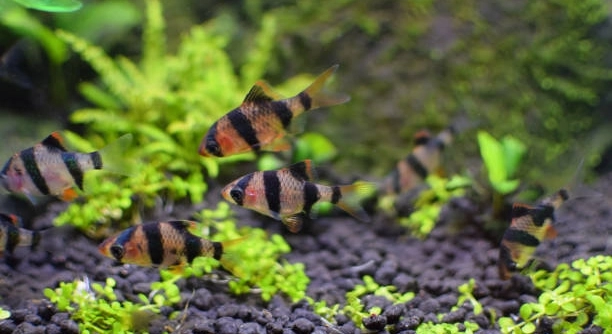
Are your tiger barbs chasing each other nonstop or showing signs of stress when kept in a group? Social issues can be common in active fish like these, especially when their environment doesn’t support healthy interaction.
Improving tiger barb social behavior starts with proper tank conditions, a suitable group size, and enough enrichment. These fish thrive in shoals of six or more, reducing aggression and encouraging natural schooling behavior, which promotes stability and lowers stress.
Understanding these behaviors can lead to a more peaceful tank and healthier fish that feel secure in their environment.
Understanding Tiger Barb Social Needs
Tiger barbs are naturally active and social fish that do best in groups. When kept in small numbers, they often become aggressive, nipping fins or chasing other tank mates. A group of at least six helps reduce this behavior, allowing them to form a clear pecking order. This social structure lowers stress and encourages more natural schooling activity. It’s also important to provide plenty of swimming space and hiding spots, which gives fish room to move freely and retreat if needed. A tank that’s too small or bare can lead to more frequent conflicts. Keep their energy in check by offering a varied diet and adding occasional changes in the tank layout. This keeps their minds active without increasing aggression. Maintaining stable water conditions also plays a role in keeping behavior balanced, as fluctuations in temperature or pH can affect their comfort and social dynamics in subtle but noticeable ways.
Smaller groups often trigger more aggression and anxiety, while larger groups allow fish to feel safer and interact more calmly.
An active school of tiger barbs tends to settle into a rhythm once their environment supports their basic needs. Their natural behaviors improve, and the tank becomes much more peaceful overall.
Choosing the Right Tank Setup
A well-planned tank setup reduces stress and supports better group dynamics among tiger barbs.
Start with a minimum of 20 gallons for a group of six, but larger tanks are always better. Tiger barbs swim quickly and appreciate horizontal space. Add driftwood, plants, and rocks to create visual breaks. These not only give fish places to rest but also reduce line-of-sight, which helps prevent one fish from dominating others. A strong filter with good circulation keeps the water clean and mimics the moving water they prefer in the wild. Lighting should be moderate to avoid overstimulation. Avoid placing slow-moving fish with tiger barbs, as their quick movements can annoy others. Stick to compatible species that can keep up with their energy. Stable water conditions matter as well—check temperature, pH, and ammonia levels regularly to avoid unexpected behavior shifts. A calm tank setup can quickly bring out the best in their social nature, especially when combined with consistent care and proper feeding.
Managing Group Size and Gender Ratio
Keeping at least six tiger barbs in a group helps reduce aggressive behavior. Odd numbers can create tension, so aim for even groupings when possible. A larger school distributes energy better and encourages more balanced interactions.
Tiger barbs are naturally fin-nippers, but aggression lessens when they live in larger groups. Smaller groups tend to form unstable hierarchies, which leads to stress and fighting. Aim for groups of eight to twelve if your tank can support it. Keep a close eye on how they interact after any additions. When it comes to gender balance, try to maintain more females than males. Males tend to be more territorial and active during breeding cycles. A skewed male-to-female ratio often increases competition and chasing. More females help diffuse tension and encourage calmer group behavior overall, creating a more peaceful tank environment with fewer social issues and healthier dynamics among the fish.
Avoid keeping too many males in a group, especially in smaller tanks. The imbalance increases territorial behavior and can make the group more aggressive.
A mix of one male to two females tends to work well. This ratio limits dominant behavior and helps prevent excessive chasing or competition. Watch for changes after introducing new fish.
Reducing Environmental Stress
Environmental changes often cause stress that affects social behavior. Loud noise, poor lighting, or frequent tank rearranging can leave tiger barbs uneasy or aggressive. Try to maintain a quiet, stable setting around the aquarium.
Consistent conditions are key to keeping tiger barbs socially balanced. Sudden temperature shifts, irregular feeding times, or aggressive tank mates all affect their behavior. Water temperature should stay between 74–79°F, with a slightly acidic to neutral pH. Avoid overfeeding, as leftover food can pollute the water, adding stress. Use a timer for lighting to maintain a stable day-night cycle. Keep decorations consistent unless changes are necessary, and introduce new tank mates slowly to avoid disruption. Always quarantine new fish before adding them to the main tank. These small adjustments make a noticeable difference in how tiger barbs interact, helping them settle into healthy, less aggressive patterns without constant conflict or competition.
Introducing Enrichment and Stimulation
Add variety to their environment by rotating decorations, changing plant placements, or using floating toys. These small changes reduce boredom and help redirect energy in healthy ways. Simple enrichment keeps their minds engaged and lowers unwanted chasing or fin-nipping.
Feeding routines can double as mental stimulation. Use floating food rings or sinking pellets in different areas of the tank. Spacing out their meals and changing feeding locations encourages exploration and reduces aggressive competition. A little structure goes a long way in keeping them calm and active without overstimulation.
Monitoring Health and Behavior Closely
Consistent monitoring helps prevent social issues from escalating. Look for torn fins, hiding, or excessive chasing—these can all signal stress or illness. Behavioral changes often appear before physical symptoms, so observe closely during feeding and after tank maintenance. If one fish becomes overly aggressive, consider isolating it for a short time. Regular water tests and partial water changes support long-term health, which directly impacts how they interact with one another. Healthy fish are more likely to behave naturally and comfortably in their environment. Watch how they school—tight, uniform swimming often means they feel safe and stable in the tank.
Keeping Compatible Tank Mates
Avoid placing tiger barbs with long-finned or slow-swimming species. They do best with similarly active fish like danios, loaches, or fast-moving tetras. Compatible tank mates help balance the tank’s energy without increasing social tension or triggering aggressive behaviors.
FAQ
Why do my tiger barbs chase each other constantly?
Constant chasing is usually a sign of social imbalance or stress. If the group is too small, they often compete for dominance, leading to persistent chasing. Keeping at least six to eight tiger barbs helps create a stable pecking order, which reduces tension. A larger group spreads out aggressive energy and encourages schooling instead of fighting. If the tank is too small or lacks hiding spots, this can also increase aggressive behavior. Make sure the tank setup includes enough space and cover. Always check water quality too—poor conditions can add to stress and trigger more aggression.
Can I keep tiger barbs with bettas or angelfish?
It’s not recommended to house tiger barbs with bettas or angelfish. These fish have long, flowing fins that attract the attention of tiger barbs, who are known for fin-nipping. Even in larger tanks, the barb’s active behavior can stress slower-moving species. Tiger barbs do best with fast, short-finned fish that can keep up with their energy. Good options include zebra danios, rosy barbs, or certain types of loaches. If you’re set on mixing species, a very large tank with clear boundaries and hiding places might help reduce conflict, but there’s always some risk.
How can I tell if a tiger barb is being bullied?
A bullied tiger barb may separate from the group, hide often, or show signs of injury like torn fins or missing scales. It might also stop eating or swim near the surface or corners for long periods. Watch how they interact at feeding time—if one fish consistently gets pushed away, it may be getting singled out. Sometimes, isolating the aggressive fish for a short period can give the weaker fish time to recover and rejoin the group safely. Also, check if your group is too small or the tank too crowded—both can contribute to bullying behavior.
What tank size is best for reducing aggression in tiger barbs?
A 20-gallon tank is the absolute minimum for a small group of six, but more space is always better. A 30-gallon or larger tank gives them plenty of swimming room and space to establish social order naturally. Horizontal swimming space is especially important, as tiger barbs are very active. Crowded tanks often lead to more conflict, while a spacious layout helps calm them down. Include plants, rocks, and driftwood to break up sightlines and give less dominant fish somewhere to retreat. A larger tank helps keep the group stable and interactions more balanced.
Why are my tiger barbs hiding all the time?
Frequent hiding can be a sign of stress, fear, or illness. If your tank is new or the group size is too small, they may not feel secure enough to swim freely. Loud noise, sudden lighting changes, or aggressive tank mates can also cause hiding. Observe how often they hide and what happens before they retreat. If one fish is acting aggressively, it might be intimidating the others. Make sure your tank has enough hiding places but also provides open swimming areas. Consistent conditions and a peaceful environment will encourage them to come out more often.
Can I mix tiger barbs with other types of barbs?
Yes, but choose species with similar size and temperament. Rosy barbs and cherry barbs can work well, especially in larger tanks. Avoid mixing them with barbs that are significantly smaller or more timid, as tiger barbs can be a bit more assertive. Monitor behavior closely after introducing new fish. Each group should have enough members to feel secure—adding just one or two of a different species may lead to more stress. A larger, well-decorated tank will make integration smoother and keep both groups from feeling threatened by each other.
Do tiger barbs need light at night?
No, they do not need light at night. Like most fish, tiger barbs benefit from a regular day-night cycle. Keeping lights on at night can disturb their rest, leading to more stress and behavior issues over time. Use a timer to ensure they get about 10 to 12 hours of light each day. At night, it’s best to let the tank go dark or use a dim, blue-toned night light if you want to observe them without disrupting their natural rhythms. A consistent lighting schedule supports better overall health and stable behavior.
Final Thoughts
Tiger barbs are energetic and social fish that need the right environment to behave well in a group. Their behavior often depends on the size of the group, tank setup, and overall care. When kept in small numbers, they are more likely to show signs of aggression and stress. A proper group size, usually six or more, helps reduce this problem. Giving them space to swim, along with hiding spots and good tank mates, can lead to a more peaceful tank. These small details play a big role in how your tiger barbs interact with each other and with other fish.
It’s also important to keep an eye on their daily behavior. If they begin chasing too much, hiding, or refusing food, something may be off. Sometimes it’s a water issue, or maybe they need more enrichment to stay mentally active. Watching your fish closely and making small changes as needed will help them feel secure. Keep their tank clean, stick to a feeding routine, and avoid sudden changes to their space. When tiger barbs feel comfortable, they’re more likely to show balanced behavior, school together peacefully, and live healthier lives overall.
Caring for tiger barbs can be simple once their basic needs are met. Social balance, clean water, proper feeding, and enough space make a strong foundation. Each fish may react a little differently, but a well-maintained tank and close attention to their behavior will guide your decisions. These fish are full of energy, and with the right care, that energy turns into active swimming, not stress or conflict. With consistency and a little observation, you can support their natural behavior and enjoy a healthy, active group of tiger barbs in your aquarium.

Hello,
If you enjoy the content that we create, please consider saying a "Thank You!" by leaving a tip.
Every little bit helps us continue crafting quality advice that supports the health, happiness, and well-being of pets around the world, for pets of all shapes, sizes, and species.
We really appreciate the kindness and support that you show us!